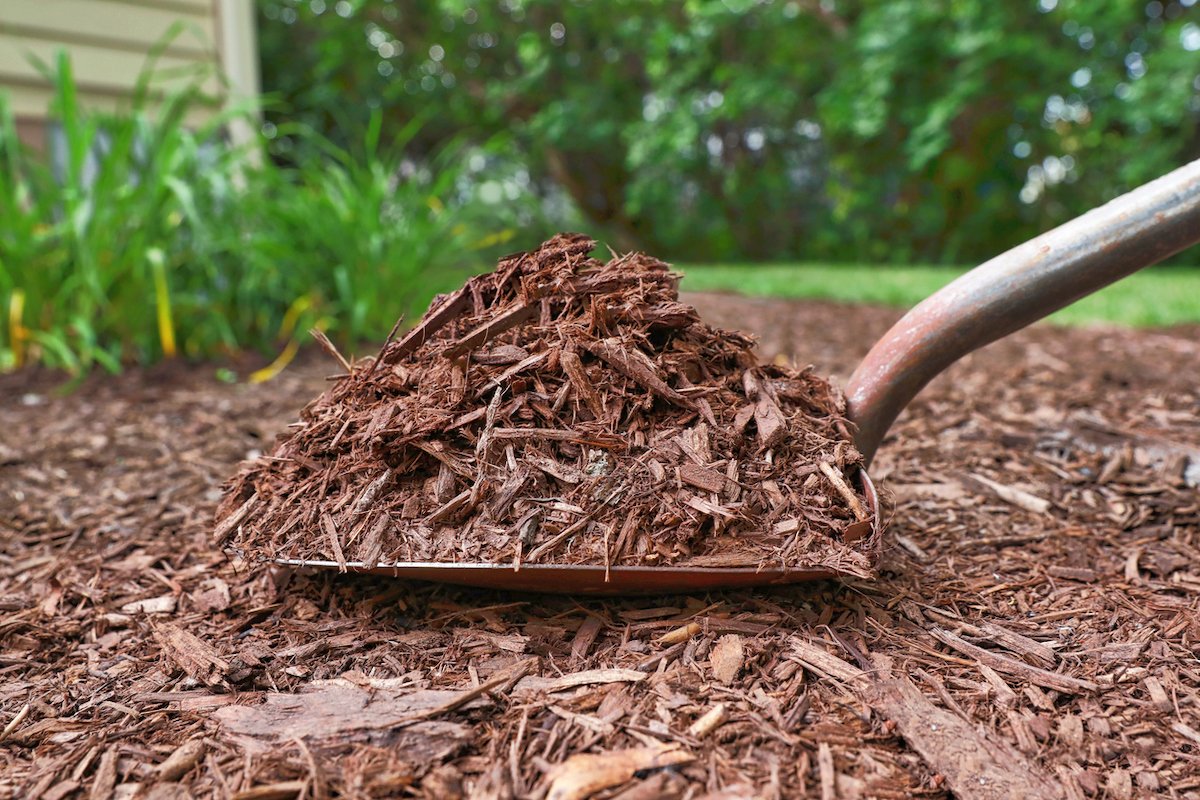
Mulch is a layer of material placed on top of garden soil to help retain moisture, limit weeds, regulate soil temperature, and protect plant roots. It can be made from wood chips, shredded bark, leaves, straw, grass clippings, compost, or other suitable materials.
Across the United States, mulch is a common tool for caring for vegetable gardens, flower beds, trees, shrubs, and lawns. It helps gardeners manage the effects of hot summers, cold winters, heavy rain, and dry spells. The right mulch can reduce routine work while helping plants grow in healthier soil.
The word mulch describes both the material and the act of spreading it over the ground. Unlike garden soil or compost mixed into the earth, mulch usually stays on the surface. Some types break down and add organic matter to the soil, while others remain in place for years with little change.
Choosing mulch depends on the plants you grow, your local climate, the soil beneath it, and the work you want it to do. A vegetable garden may benefit from clean straw, while a tree bed may suit wood chips. Understanding these differences helps you apply mulch correctly without trapping excess moisture against stems or tree trunks.
Source: images.gardeniadream.com
What Does Mulch Mean in Gardening?
In gardening, mulch means a protective covering spread over the surface of soil. Gardeners use it to create a better growing environment for plants and reduce the need for frequent watering, weeding, and soil repair. The material may be natural, processed, or manufactured.
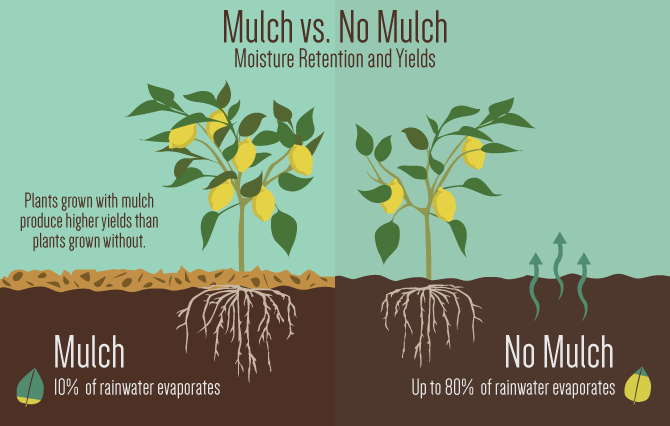
Think of mulch as a blanket for the soil. It shields the ground from direct sunlight, slows evaporation, and softens the impact of rain. Unlike a blanket indoors, however, mulch must allow enough air and water to move through it so that roots and soil organisms can function.
Mulch does not replace good soil, proper watering, or suitable plant care. Instead, it supports these practices by helping the soil maintain more stable conditions. Its benefits depend on the material, the depth of the layer, and how well it fits the garden.
Source: fixcom-g4bhetdmcgd9b7er.z01.azurefd.net
Mulch as a material
This refers to the bark, chips, leaves, straw, compost, stone, or other covering placed on the ground.
Mulching as an activity
This means spreading a suitable covering over the soil around plants, along paths, or in landscape beds.
Organic matter
Organic mulch comes from once-living materials and often decomposes over time, adding carbon and other compounds to the soil.
How Is Mulch Different From Compost and Topsoil?
Mulch, compost, and topsoil serve different roles, even when they look similar. Mulch usually sits on top of the ground, compost is often mixed into soil or used as a thin surface amendment, and topsoil is the upper layer of soil used to establish or improve a planting area.
For example, a gardener may spread compost over a vegetable bed to add organic matter, then cover the bed with straw to slow water loss and suppress weeds. The compost feeds the soil system, while the straw acts mainly as a protective surface layer.
Some materials can serve more than one purpose. Finished compost can act as a light mulch, but it breaks down and changes the soil surface more quickly than coarse bark or wood chips. Choose the material according to the job rather than assuming that all dark or loose material is interchangeable.
Mulch
Primarily protects the soil surface and may gradually improve it.
Compost
Adds decomposed organic matter and can supply plant nutrients, depending on its composition.
Topsoil
Forms the upper soil layer in a planting area and provides the main rooting medium when suitable.
Why Is Mulch Important for a Garden?
Mulch helps create more stable soil conditions, which can make garden care easier throughout the growing season. Its most useful effects include conserving moisture, reducing weed growth, moderating soil temperatures, and protecting the soil from erosion.
The benefits are not identical for every material or site. A thick layer of fine mulch can block water or air if it becomes compacted, while coarse material may allow weeds to grow through gaps. Proper selection and application matter as much as the decision to mulch.
Source: agriplanting.com
Helps soil retain moisture
Mulch reduces direct exposure to sun and wind, which slows water loss from the soil surface. Plants may need less frequent watering, although the actual savings depend on weather, soil, and plant needs.
Limits weed growth
An adequate layer blocks light from many weed seeds near the surface. It will not eliminate every weed, especially established perennial weeds or those growing through gaps.
Moderates soil temperature
Mulch can reduce sharp temperature changes near the surface. It may keep soil cooler in summer and reduce temperature swings during cold weather.
Reduces soil erosion
A protective covering helps lessen the force of raindrops and can reduce the movement of loose soil. It is particularly useful on exposed beds and some gentle slopes.
Supports soil life
Organic materials provide food and habitat for many soil organisms as they decompose. These organisms help break down plant residues and cycle nutrients.
Improves garden appearance
A consistent layer can give beds a tidy look, define planting areas, and reduce the amount of bare soil between plants.
Does Mulch Make Plants Grow Faster?
Mulch can support plant growth by improving moisture conditions, reducing weed competition, and protecting roots from temperature swings. These benefits may help plants grow more steadily, especially when water stress or weeds are limiting growth.
Mulch is not a plant food by itself unless its composition and decomposition provide nutrients. Gravel and landscape stone, for example, do not add organic matter. Even organic mulch may not provide enough nutrients for a plant that needs fertilizer or has been planted in poor soil.
If a plant is weak or yellow, check watering, drainage, sunlight, pests, and soil conditions before adding more mulch. A thick covering cannot correct every growing problem and may make some problems worse if it keeps the root zone too wet.
Best result
Use mulch as part of a wider care plan that includes suitable soil, adequate light, and correct watering.
What Are the Main Types of Mulch?
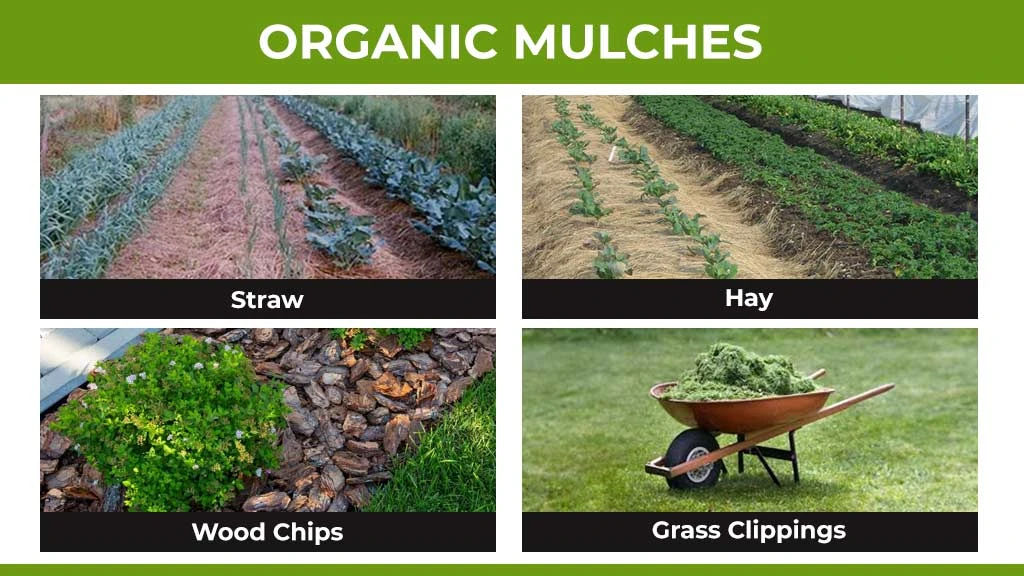
Garden mulch falls into two broad groups: organic and inorganic. Organic mulch comes from plant or other once-living materials that can break down, while inorganic mulch includes mineral materials and manufactured coverings that generally last longer.
Neither group is always better. Organic mulch is useful when soil improvement is a priority, while stone may suit a dry landscape or a path where a long-lasting surface is desired. The right choice depends on the plants, local weather, maintenance needs, and appearance.
Source: edicnkgrsxd.exactdn.com
Organic Mulch
Organic mulch gradually decomposes through the action of fungi, bacteria, insects, and other organisms. This process returns organic compounds to the soil and can improve soil structure over time. The speed of decomposition varies with the material, climate, moisture, and particle size.
Wood chips
Useful around trees, shrubs, and established landscape plants. Coarse chips last longer than fine materials and can help protect soil from erosion.
Shredded bark
Common in ornamental beds because it creates a fairly even surface and breaks down gradually. Choose a texture that will stay in place under local weather conditions.
Straw
Often useful in vegetable gardens and around strawberries. Use clean straw rather than hay when possible, because hay may contain viable weed seeds.
Shredded leaves
A low-cost option for home gardens. Shredding helps leaves settle into a more manageable layer and reduces the chance of whole leaves forming a dense, water-resistant mat.
Grass clippings
A useful short-term mulch when clippings come from a lawn that has not been treated with a product whose label restricts their use. Apply thin, dry layers to prevent clumping and unpleasant odors.
Pine needles
Lightweight and useful in suitable landscape beds. They are often used around acid-tolerant plants, but their presence does not automatically make the soil strongly acidic.
Compost
Can serve as a thin organic surface covering and may add nutrients and organic matter. It decomposes faster than coarse bark and may not suppress weeds as effectively when spread too thinly.
Inorganic Mulch
Inorganic mulch usually lasts longer than organic mulch because it does not decompose in the same way. It may reduce surface weeds and help protect soil, but it generally does not add organic matter. Some types can absorb or reflect heat, so placement and local climate are important.
Gravel
Works in some dry gardens, paths, and drainage-focused landscape designs. It can become hot in direct sun and may be hard to remove if it becomes mixed with the soil.
Landscape stone
Provides a durable decorative covering around selected shrubs and in some low-water landscapes. It can add weight and retain heat, making it less suitable for certain plants and settings.
Rubber mulch
Made from processed rubber and used in some landscape and play areas. It does not improve soil organic matter and may create heat or environmental concerns, so evaluate its intended use and local guidance before choosing it.
Landscape fabric
A manufactured barrier intended to limit weed growth beneath a covering. Soil and organic debris can build up above it, allowing weeds to root on the surface, and the fabric can complicate future planting.
Plastic film
Used in some vegetable production systems to manage weeds, moisture, and soil temperature. It requires careful water management and responsible disposal, and it is not interchangeable with permeable organic mulch.
Which Mulch Is Best for Different Garden Areas?
The best mulch is the one that meets the needs of a specific planting area. A vegetable bed often needs a clean material that is easy to replace, while a tree bed benefits from a durable layer that protects the soil without covering the trunk.
Consider the expected lifespan, water movement, local temperatures, and ease of removal. Avoid choosing a material based on appearance alone, because a mulch that works well in one setting may be inconvenient or harmful in another.
Source: fthmb.tqn.com
Mulch for Vegetable Gardens
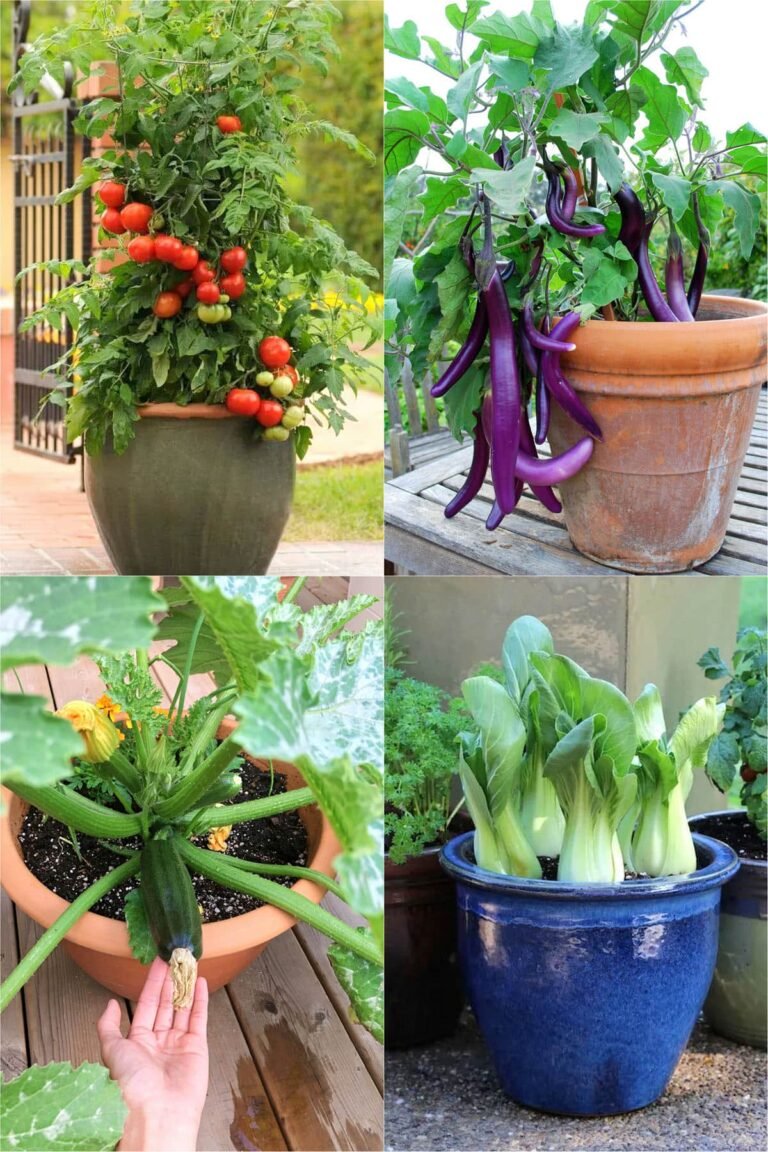
Straw, shredded leaves, and other clean plant materials can work well around many vegetables. These coverings help conserve moisture during warm weather and may reduce soil splashing onto leaves and fruit during rain.
Apply mulch after the soil has warmed enough for the crop, especially when growing warm-season plants such as tomatoes, peppers, and squash. A very early, thick layer can slow spring soil warming in cool regions. Keep the material away from stems and check that water reaches the root zone.
Good options
Clean straw, shredded leaves, and suitable untreated plant residues.
Main caution
Avoid contaminated materials, thick wet grass clippings, and hay with many weed seeds.
Mulch Around Trees and Shrubs
Wood chips and shredded bark are common choices around established trees and shrubs. They protect the soil surface, limit competing weeds, and break down gradually. Spread the material across the root area where practical rather than piling it against the trunk.
A broad, shallow layer is usually more useful than a narrow, deep ring. Tree roots often extend well beyond the canopy, so mulch can cover a wider area when space allows. Keep the trunk flare visible and leave a clear gap around the trunk to reduce moisture-related damage.
Useful approach
Apply a moderate layer over the root zone while keeping bark and stems exposed.
Avoid
Deep piles of mulch against tree trunks, often called mulch volcanoes.
Mulch for Flower Beds and Perennials
Shredded bark, wood chips, leaf mold, and other suitable organic materials can help keep ornamental beds neat and reduce weeds. Fine mulch can make small flower beds look even, while coarser chips may suit larger beds with shrubs and mature perennials.
Do not bury the crowns of herbaceous perennials or cover low-growing plants that need air around their bases. Check the needs of plants that prefer dry soil, because a deep, moisture-holding layer can be unsuitable in some settings.
Mulch for Paths and Dry Landscapes
Gravel, crushed stone, and selected inorganic materials can work in paths or dry landscapes where long-lasting coverage is a priority. They may reduce weeds when installed correctly, but airborne soil and decaying leaves can still collect on top and support new weed growth.
In hot, sunny areas of the United States, stone can heat the ground and nearby plants. Check local water needs, drainage, accessibility, and the potential for loose stones to move before using it around frequently traveled routes.
How Deep Should Mulch Be?
For many home garden beds, a mulch layer about 2 to 3 inches deep is a useful starting point. The ideal depth depends on the material, the soil, the plants, and whether older mulch is already present. Fine materials may need a thinner layer because they can pack together and restrict water or air movement.
Measure the depth after spreading the material loosely and check the soil beneath it. If the bed already has a suitable layer, refresh thin or bare areas instead of adding more across the whole bed. Excessive depth can keep soil too wet, reduce oxygen near the surface, and create a poor environment around stems or roots.
Source: cdn.tractorkarvan.com
How Much Mulch Do You Need?
You can estimate the amount of mulch by measuring the area and choosing a target depth. One cubic yard covers 324 square feet at 1 inch deep, so it covers about 162 square feet at 2 inches deep or 108 square feet at 3 inches deep.
For a hypothetical bed measuring 10 feet by 12 feet, the area is 120 square feet. At a 3-inch depth, the bed needs about 1.11 cubic yards of mulch before allowing for uneven ground, settling, or existing material.
Step 1: Measure the bed
Multiply its length by its width in feet to get the area in square feet. For irregular beds, divide the space into smaller rectangles or other simple shapes.
Step 2: Choose the depth
Use the depth suited to the mulch and plants. Convert inches to feet by dividing the depth by 12.
Step 3: Calculate the volume
Multiply area in square feet by depth in feet, then divide the result by 27 to estimate cubic yards.
Step 4: Check what is already there
Measure the existing layer before buying more so you do not add unnecessary material.
How to Apply Mulch Correctly
Correct mulching starts with preparing the bed, choosing a suitable material, and spreading it evenly. The aim is to protect the soil without burying plants or interfering with water movement. A careful application is often more useful than simply adding a thick layer.
Signs of successful mulching
The soil stays moist for longer, the layer remains even, fewer weeds emerge, and plant stems remain uncovered.
Signs that changes are needed
Persistent wetness, sour odors, moldy clumps, water running off the surface, or mulch touching tree trunks can indicate a problem with the material or application.
Step 1: Remove Existing Weeds
Pull or dig out established weeds before mulching, especially perennial weeds with spreading roots or underground stems. Mulch can suppress many new weeds, but it rarely kills every established weed beneath it.
If you use a weed-control product, follow its label and observe any waiting period or restrictions before adding mulch or planting. Never assume that all lawn or garden treatments are suitable for use in vegetable beds.
Step 2: Check Soil Moisture and Water the Bed
If the soil is dry, water the root zone before spreading mulch. Mulch slows future evaporation, but it cannot replace water that plants already lack. If the soil is saturated or drains poorly, address the water problem rather than covering it with a thick layer.
Check that irrigation systems work before covering them. Drip lines and emitters should remain accessible enough for inspection and repair.
Step 3: Spread an Even Layer
Distribute mulch across the intended bed at a consistent depth. Break up compacted clumps, especially when using grass clippings or fine organic material. Leave enough open space around stems, crowns, and tree trunks to prevent direct contact.
For most established landscape beds, about 2 to 3 inches is a reasonable starting range. Use less where the material is very fine, the soil stays wet, or plants require a dry surface. Do not cover exposed tree root flares or bury plant crowns.
Step 4: Water and Inspect
After mulching, confirm that irrigation reaches the soil and that the covering does not form a dense, water-resistant mat. Check under the mulch after watering to see whether the root zone is receiving moisture.
During the first few weeks, look for weeds growing through gaps, signs of excess moisture, and material moving away during rain. Adjust the depth or placement if the covering is too thick or too thin.
Step 5: Maintain the Layer
Organic mulch gradually breaks down, shifts, and settles. Add material only when needed to restore useful coverage, rather than applying a fresh deep layer on a fixed schedule. Remove matted or contaminated material when it is interfering with water flow or plant health.
In autumn, fallen leaves can serve as useful mulch if they are shredded or spread loosely enough to avoid forming a dense mat. In spring, inspect the bed before adding more so the soil can warm as needed for the plants you grow.
When Should You Mulch a Garden?
The best time to mulch depends on the season, the crop, and the local climate. In many US gardens, spring and fall are practical times to apply organic mulch, but gardeners should consider soil temperature, rainfall, and the needs of individual plants.
Spring mulch can help conserve moisture and limit weeds after the soil has warmed enough for the plants. Fall mulch can protect soil from erosion and reduce temperature swings, but timing matters where early spring warming is important.
Source: bigvisionslandscaping.com
Mulching in Spring
Wait until the soil is suitable for the plants you intend to grow. Warm-season vegetables need warm soil, so a thick mulch applied too early can delay growth in cooler regions. Once plants are established and the soil has warmed, apply an appropriate layer around them.
Spring is also a good time to check older mulch. If it remains in good condition, rake it gently to loosen compacted areas and add material only where coverage is thin.
Mulching in Summer
Summer mulch can be especially useful during hot, dry periods. It reduces direct sun on the soil and can help limit water loss between irrigation sessions. Check soil moisture beneath the layer rather than judging the need for water from the dry appearance of the mulch surface.
Avoid adding thick layers of wet grass clippings during hot weather. They can mat together, develop unpleasant odors, and reduce air movement.
Mulching in Fall and Winter
Fall mulch can help protect soil during rain and winter weather. In cold regions, a suitable layer applied after the ground begins to cool may help reduce repeated freezing and thawing around some plants. Timing and depth should reflect the plant species and local recommendations.
Do not pile mulch against tree trunks or use a thick covering to hide standing water or poor drainage. In mild, wet climates, keeping the root zone too damp may be more harmful than leaving it uncovered.
Common Mulching Mistakes to Avoid
Mulch is generally easy to use, but poor placement or the wrong material can cause problems. The main risks come from excessive depth, poor drainage, unsuitable materials, and failure to check the soil underneath.
Piling mulch against tree trunks
Constant contact can keep bark damp and encourage decay or other trunk problems. Keep the trunk flare visible and leave a clear space around the base.
Applying too much mulch
Deep layers can reduce oxygen near the soil surface, hold excessive moisture, and interfere with young plants. Measure the existing depth before adding more.
Using fresh grass clippings in thick layers
Wet clippings can clump and form a dense mat. Spread them thinly and allow them to dry between applications.
Assuming mulch removes all weeds
Some weeds grow through gaps, while others root in debris on top of landscape fabric or mulch. Remove existing weeds and monitor the bed.
Using contaminated materials
Unknown wood waste, treated timber debris, and plant material exposed to unsuitable chemicals may introduce unwanted substances. Use materials with a known source and follow product labels.
Ignoring local fire risk
Some dry organic mulches can burn. In wildfire-prone areas, check local fire-safety guidance for the materials and clearances recommended near buildings.
Expecting stone to improve soil
Stone may provide a durable surface but does not add organic matter as it decomposes. If soil improvement is a goal, use suitable organic amendments where appropriate.
Watering only when the mulch looks dry
The surface can look dry while the soil beneath remains moist. Check the root zone before watering to avoid both drought stress and overwatering.
Can Mulch Harm Plants?
Yes, mulch can harm plants when it is too deep, remains too wet, contains unsuitable materials, or covers stems and crowns. Problems are more likely when the material blocks water or air movement or when the garden already has poor drainage.
Some fresh woody materials can temporarily affect nitrogen availability at the soil surface as they decompose. This is usually a greater concern when fresh wood is mixed into the root zone than when it is used as a surface layer. Keep coarse wood mulch on top of the soil unless a specific gardening recommendation says otherwise.
If plants begin to wilt or turn yellow after mulching, check soil moisture, drainage, stem contact, and signs of pests or disease. Remove excess material if it is clearly interfering with the plants, but do not assume mulch is the cause without examining other conditions.
How to Choose Safe and Sustainable Mulch
A suitable mulch should match the garden’s purpose and come from a source you can trust. For edible gardens, use clean materials that are appropriate for food-growing areas. For landscape beds, consider durability, local availability, heat, water movement, and how the material will be removed or replaced.
Locally available leaves, suitable untreated wood chips, and clean plant residues can reduce transport needs and make use of materials that might otherwise be discarded. However, local availability alone does not guarantee that a material is suitable. The source and condition still matter.
For a vegetable garden
Choose clean, plant-safe materials that are easy to spread, maintain, and replace.
For a tree or shrub bed
Choose a durable surface mulch and keep it away from trunks and stems.
For a dry landscape
Compare organic and mineral coverings with attention to plant heat tolerance, drainage, and long-term maintenance.
For a wildlife-friendly garden
Favor materials and garden practices that support healthy soil while avoiding contamination and unnecessary pesticide exposure.
Check the Source of Organic Mulch
Use plant material that is free of visible contamination and has not been exposed to substances unsuitable for your garden. Avoid unknown construction debris and treated wood waste. If buying bulk mulch, ask what it contains and whether the supplier can explain its source.
Diseased plant residues and invasive weeds with viable seeds or roots should not be spread casually. Some plant diseases and persistent weeds can survive in inadequately processed material. Follow local extension guidance for handling affected garden waste.
Consider Water, Climate, and Maintenance
In dry regions, a mulch that reduces evaporation may help conserve irrigation water, but the best material varies with plant type and landscape design. In humid or rainy regions, excessive depth may hold too much moisture around plants that need good drainage.
If you want a low-maintenance surface, coarse bark or stone may seem attractive. Consider the full maintenance task, though: bark must be replenished as it decomposes, while stone can collect leaves and debris and may be difficult to remove during future garden changes.
Mulch Compared With Bare Soil
Bare soil can be useful in some situations, but leaving garden beds uncovered exposes the surface to direct sun, wind, and raindrops. This may increase evaporation, encourage weeds, and make loose soil more likely to move during heavy rain.
Mulch reduces some of these effects, but it is not required in every setting. Some plants need exposed, dry soil around their crowns, and certain native or dry-climate plant communities may be harmed by excess moisture or an unsuitable organic covering. Match the practice to the plants and their natural growing conditions.
Bare soil may suit
Areas that need to warm quickly, selected dry-growing plants, or beds where surface conditions are being actively managed.
Mulch may suit
Many vegetable beds, ornamental beds, tree root zones, and exposed soil areas that benefit from moisture conservation and erosion control.
Frequently Asked Questions
Q
What does mulch mean in simple words?
Mulch is a layer of material placed on top of soil to protect it and help plants grow. Common examples include wood chips, bark, straw, shredded leaves, compost, and gravel. Mulch can help conserve water, limit weeds, and moderate soil temperatures.
Q
Is mulch the same as fertilizer?
No. Fertilizer supplies nutrients to plants, while mulch mainly protects the soil surface. Organic mulch may release some nutrients as it decomposes, but it does not always provide enough to meet a plant’s needs. Use fertilizer only when appropriate for the crop and soil conditions.
Q
Can I use mulch in a vegetable garden?
Yes. Clean straw, shredded leaves, and other suitable organic materials can help conserve moisture and reduce weeds in vegetable beds. Apply mulch when the soil is warm enough for the crop, keep it away from stems, and avoid materials that may contain harmful residues or persistent weed seeds.
Q
How often should I replace mulch?
There is no single replacement schedule for every mulch. Organic materials break down at different rates, while stone and other inorganic coverings can last much longer. Inspect the bed and add material only when the layer has thinned or stopped providing useful coverage. Remove compacted or contaminated material when needed.
Q
Should mulch touch a tree trunk?
No. Keep mulch away from the trunk and leave the root flare visible. Piling mulch against bark can keep the trunk damp and increase the risk of decay or other problems. Spread mulch broadly and evenly over the surrounding root area instead of creating a deep mound.
Q
Can mulch attract insects?
Mulch creates a habitat for many organisms, including insects and other small animals. Most are harmless or help break down organic matter. Some settings may also attract pests or provide damp shelter, so use appropriate depth, maintain clearance around buildings, and follow local pest-management guidance.
Q
Is black mulch safe for plants?
Black mulch is not one single material. It may be dyed wood, bark, or another product, so its suitability depends on the source, ingredients, and intended use. Read the product label and choose material appropriate for the planting area, especially around edible crops. Do not assume color alone proves safety or quality.
Q
Can I put new mulch over old mulch?
Yes, if the old layer is clean, well-drained, and not too deep. Check the existing depth before adding material and loosen any compacted areas gently. If the old mulch is contaminated, sour-smelling, or blocking water movement, remove or correct the problem rather than covering it with a fresh layer.
✦ Wrapping Up
Conclusion
Mulch in gardening means a protective layer spread over soil to help conserve moisture, limit weeds, moderate temperatures, and reduce erosion. Organic materials such as wood chips, straw, shredded leaves, and compost can also add organic matter as they break down, while inorganic materials offer longer-lasting surface coverage in selected settings.
The right mulch depends on what you grow, the conditions in your garden, and how much maintenance you want to do. Use clean materials, spread them at a suitable depth, and keep them away from stems and tree trunks. Check the soil beneath the layer so that the mulch supports healthy roots instead of trapping excess moisture.
For most gardeners, the simplest starting point is to identify the purpose of the bed, choose a suitable material, and apply a moderate layer. Review the results as the weather changes and adjust the covering when needed.
💡 Key Takeaway
Before buying mulch, measure your garden bed, check the depth of any existing covering, and choose a clean material suited to your plants. For many established beds, start with about 2 to 3 inches, keep mulch away from trunks and stems, and inspect soil moisture regularly.
Learn how to sterilize gardening tools with safe cleaning methods, effective disinfectants, step-by-step instructions, and tips to prevent plant diseases.