The main types of vegetable gardening include in-ground gardening, raised bed gardening, container gardening, vertical gardening, square-foot gardening, hydroponics, aquaponics, and indoor gardening. Each method offers different benefits based on available space, budget, sunlight, soil quality, and the vegetables you want to grow.
Across the United States, home vegetable gardening can take many forms. A homeowner in Texas might grow tomatoes in raised beds, while an apartment resident in New York might grow lettuce in pots on a sunny balcony. In rural Iowa, a large backyard may support long rows of corn, beans, squash, and other crops. The right method depends on local climate, growing space, water access, and the gardener’s goals.
Understanding the types of vegetable gardening helps you make better choices before buying seeds, soil, containers, or tools. Some methods use the ground, while others rely on raised soil beds, pots, walls, or water-based systems. Each has different costs, space needs, maintenance tasks, and limits. This guide explains the main methods, compares their strengths and weaknesses, and shows how to choose a practical approach for your home.
A successful vegetable garden does not need to be large or costly. Many crops grow well in a few containers, while a larger plot can produce a wider range of vegetables. Start with the space and resources you have, then select a method that fits your needs rather than trying to build the most complex garden possible.
Source: content.invisioncic.com
What Are the Main Types of Vegetable Gardening?
The main types of vegetable gardening differ in where plants grow, how their roots receive water and nutrients, and how much space the garden uses. Traditional gardens grow crops directly in the ground. Raised beds and containers hold a prepared growing mix, while vertical gardens train plants upward. Hydroponic systems deliver nutrients through water instead of ordinary garden soil.
Some methods describe the physical setup, while others describe a planting strategy. For example, a raised bed is a growing structure, but organic gardening is an approach to managing soil, pests, and plant health. These methods can work together. You can grow organic vegetables in containers, use square-foot planting in raised beds, or train climbing vegetables on a trellis in an in-ground garden.
Source: i.ytimg.com
In-ground gardening
Plants grow directly in existing garden soil, often in rows, blocks, or individual planting areas.
Raised bed gardening
Plants grow in beds filled with soil or a suitable growing mix above the surrounding ground.
Container gardening
Vegetables grow in pots, buckets, window boxes, grow bags, or other suitable containers with drainage.
Vertical gardening
Trellises, cages, and other supports help crops grow upward and use less ground space.
Square-foot gardening
A marked planting area is divided into small sections, each assigned to a crop or group of plants.
Hydroponic gardening
Plants grow without ordinary soil, receiving water and dissolved nutrients through a controlled system.
Aquaponic gardening
Vegetable production is combined with fish culture in a connected water and nutrient system.
Indoor gardening
Vegetables grow inside a home or enclosed growing area using suitable natural or artificial light.
Growing Methods and Gardening Approaches Are Not the Same
A growing method describes the physical place or system where plants grow. An approach describes how you organize or manage the garden. For example, succession planting means sowing crops at intervals to spread out harvests. Companion planting places selected crops near each other, while organic gardening emphasizes approved organic practices for soil care and pest management.
Keeping these terms separate makes planning easier. A small raised bed can use square-foot spacing, organic soil amendments, vertical supports, and succession planting at the same time. You do not need to choose only one technique.
Organic gardening
Uses organic management practices and permitted inputs to support soil health and control pests. Organic does not automatically mean pesticide-free.
Succession planting
Plants a crop more than once at intervals so that harvests continue over a longer period.
Companion planting
Combines selected crops for practical reasons such as shared space or different growth habits. Benefits depend on the specific plants and conditions.
1. In-Ground Vegetable Gardening
In-ground gardening is one of the simplest methods when a yard has suitable soil, good drainage, and enough sunlight. Seeds or young plants grow directly in the earth, so there is no need to build a raised structure or fill multiple pots. This method works well for home gardens, community plots, and larger vegetable patches.
A traditional garden can support many crops, including beans, tomatoes, peppers, carrots, lettuce, squash, and potatoes. The best choices depend on local growing conditions and the depth, texture, and fertility of the soil. A soil test can help identify pH problems and nutrient needs before you add amendments.
Source: image.slidesharecdn.com
Advantages
Uses existing land, can support a wide range of crops, and often costs less to establish when soil is already suitable.
Limitations
Poor drainage, compacted soil, persistent weeds, and unsuitable soil conditions may require extra work.
Best suited for
Gardeners with an open yard, access to good soil, and enough room to arrange beds or rows.
How to Start an In-Ground Garden
Choose a site that receives enough direct sunlight for your planned crops. Many fruiting vegetables, including tomatoes and peppers, need about six to eight hours of direct sun each day, although leafy crops can tolerate some shade. Avoid spots where water regularly collects or where trees create heavy shade and compete for moisture.
Remove weeds, loosen compacted soil where needed, and mix in suitable finished compost based on the soil’s condition. Avoid working wet soil because this can damage its structure. Arrange paths so you can reach plants without stepping on the growing areas, and water deeply enough to moisten the root zone.
Check the soil
Use a soil test when possible to guide pH and nutrient adjustments.
Plan access
Leave enough room between planting areas for watering, weeding, and harvesting.
Rotate crop families
When space allows, avoid planting the same crop family in the same spot year after year to help manage some pests and diseases.
2. Raised Bed Vegetable Gardening
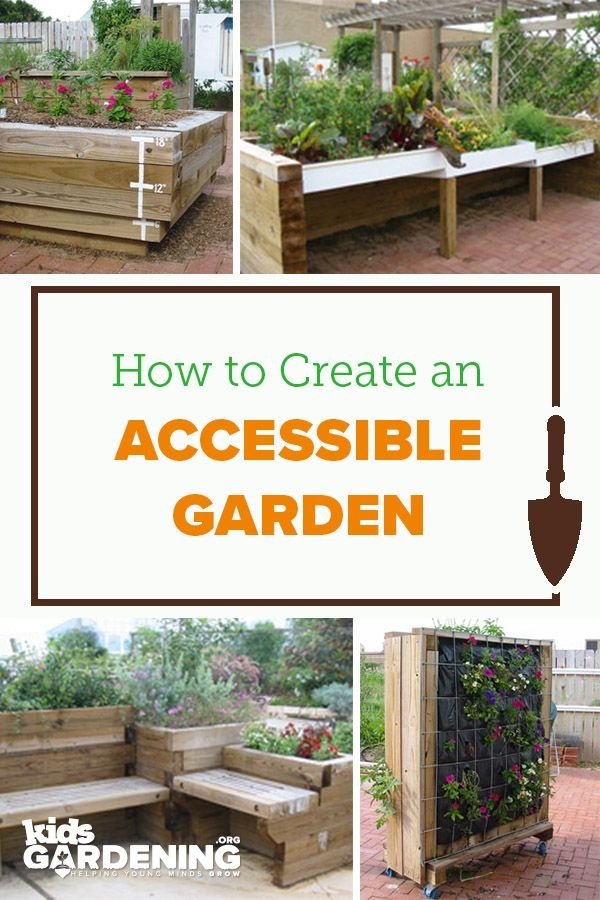
Raised bed gardening grows vegetables in a defined bed that sits above the surrounding ground. The bed may be framed with untreated, suitable lumber or made without a frame by shaping a mound of soil. Gardeners fill the space with soil and compost suited to vegetable production, giving them more control over the root environment.
Raised beds are useful when the native soil is rocky, compacted, or difficult to manage. They can also make planting and weeding easier because the growing area is clearly defined. However, raised beds can dry out faster than garden soil at ground level, and the cost of frames and filling materials can add up.
Source: i.ytimg.com
Advantages
Provides control over growing media, clear planting boundaries, and convenient access when beds are designed at a suitable height.
Limitations
Needs initial materials, adequate filling soil, and regular watering during hot or dry weather.
Best suited for
Home gardeners who want organized planting areas or need to work around difficult native soil.
Choosing a Raised Bed Size
A bed about four feet wide is often practical because many adults can reach its center from either side. The length can vary with available space, while the depth should match the crop roots and the conditions beneath the bed. A shallow bed over compacted ground may restrict root growth, so provide adequate soil depth or improve the underlying soil.
Place beds where they receive suitable sunlight and where a hose or watering can can reach easily. Use materials appropriate for growing food, and avoid wood treated with substances not intended for edible crop production. Do not assume that every old painted board, reclaimed timber, or industrial container is safe for a vegetable bed.
Choose accessible dimensions
Set the width so you can reach plants without stepping into the bed.
Fill with suitable soil
Use a well-drained growing mix appropriate for vegetables rather than relying on pure compost.
Watch moisture
Check soil moisture regularly because raised beds may lose water more quickly in warm weather.
Can Raised Beds Be Used for Small Gardens?
Yes. One or two compact raised beds can produce leafy greens, herbs, radishes, bush beans, and other suitable crops. A trellis can increase the range of vegetables by giving climbing plants a place to grow. For a small household, a manageable bed may be more useful than a large plot that takes too much time to maintain.
Use intensive spacing carefully
Follow the spacing needs of each crop and allow enough airflow to reduce crowding.
Plan the harvest
Grow vegetables that your household eats often so the bed produces useful food throughout the season.
3. Container Vegetable Gardening
Container gardening is a flexible way to grow vegetables in pots, grow bags, window boxes, and other suitable vessels. It is especially useful for apartment residents, renters, people with small patios, and anyone who wants to move plants as sunlight changes. Containers also let gardeners control the growing mix more easily than in an existing yard.
Many vegetables grow well in containers when the pot is large enough, the drainage is reliable, and the plant receives enough light. Lettuce, spinach, radishes, herbs, bush beans, peppers, and compact tomato varieties are common options. Large crops such as full-size squash or indeterminate tomatoes may need much more room, support, and water.
Source: i.pinimg.com
Advantages
Works in small spaces, allows flexible placement, and makes it easier to manage the growing mix.
Limitations
Containers can dry out quickly, restrict root growth, and need regular feeding when nutrients are depleted.
Best suited for
Beginners, renters, balcony gardeners, and people who want a small, adaptable garden.
Selecting Containers and Growing Mix
Choose a container that provides enough room for the mature plant’s roots. A small pot may suit herbs or baby greens, while a fruiting tomato usually needs a much larger container. Check the seed packet or plant label for variety-specific recommendations rather than assuming one pot size works for every vegetable.
Use a quality potting mix designed for containers. Ordinary garden soil can become dense in a pot and may drain poorly. Every container needs drainage holes unless it is part of a purpose-built growing system with a reliable way to manage excess water.
Match the pot to the crop
Account for mature plant size, root depth, and the need for stakes or cages.
Check drainage
Make sure extra water can escape and that drainage openings are not blocked.
Water consistently
Check pots often during hot, windy weather because small volumes of soil lose moisture quickly.
Vegetables That Grow Well in Pots
Leafy greens, radishes, scallions, and many herbs are practical choices because some varieties mature quickly and need limited root space. Peppers and compact tomatoes can also produce well in sufficiently large containers. Read the variety description and consider the mature plant size before choosing seeds.
For shallow containers
Try suitable leafy greens, small radishes, and some herbs, provided the container has adequate depth and drainage.
For medium containers
Consider bush beans, compact peppers, or larger leafy crops according to their root needs.
For large containers
Grow suitable tomato varieties, eggplant, or other larger crops with proper support and regular watering.
4. Vertical Vegetable Gardening
Vertical gardening trains vegetables to grow upward on trellises, cages, stakes, nets, or other supports. It can free ground space in a narrow yard or small garden and may improve access to some crops. Vertical growing is particularly useful for climbing beans, peas, cucumbers, and certain squash varieties.
This method does not mean that every vegetable can grow in a tiny space. The roots still need enough soil, and heavy vines need sturdy support. Fruiting plants also require suitable light, water, and nutrients. Vertical gardening saves ground area, but it does not remove the basic needs of vegetable crops.
Source: copepodsforsale.com
Advantages
Uses height, keeps many vines off the ground, and can make harvesting easier.
Limitations
Needs secure supports, careful training, and enough space for roots and mature foliage.
Best suited for
Small yards, narrow beds, patios with suitable containers, and gardeners growing climbing crops.
Best Crops for Vertical Growing
Climbing beans and peas naturally use supports, while many cucumber varieties can be trained on a sturdy trellis. Tomatoes often benefit from cages or stakes, although their growth habits vary by variety. Some squash can climb, but large fruits may need extra support to prevent stems from breaking.
Climbing beans
Use poles, netting, or a strong trellis suited to the variety.
Cucumbers
Select a suitable climbing variety and secure the support before vines become heavy.
Tomatoes
Use cages, stakes, or other supports that match the plant’s mature size and growth habit.
Safety and Maintenance for Vertical Gardens
Secure trellises against wind and avoid attaching heavy structures to weak railings or surfaces. Check supports as vines grow, and guide stems without bending or tying them too tightly. Leave enough space between plants for airflow and access to the leaves.
Build for mature weight
Account for wet foliage, developing fruit, and wind when choosing supports.
Keep plants accessible
Place frequently harvested crops where you can reach them without climbing or leaning over unsafe edges.
5. Square-Foot Vegetable Gardening
Square-foot gardening divides a defined growing bed into small, marked sections so each crop has an assigned space. It is often used in raised beds and is intended to simplify planting plans, make efficient use of limited space, and help beginners avoid sowing too many plants in one area.
The method works best when spacing reflects the mature size of each crop. Small plants may fit several to a section, while large plants such as broccoli or cabbage need more room. The grid is a planning aid, not a reason to ignore plant labels, root needs, or airflow.
Source: royalaquarium.in
Advantages
Makes crop planning easier, keeps planting areas organized, and helps track where each crop grows.
Limitations
Can lead to overcrowding if standard spacing guidance is ignored or if large crops are squeezed into small sections.
Best suited for
Small raised beds, beginners, and gardeners who prefer a clear planting plan.
How to Plan a Square-Foot Garden
Mark the bed into equal sections with string, narrow slats, or another practical grid. List the crops you want to grow, then assign space according to their recommended planting distance and mature size. Keep taller crops where they will not shade smaller plants for much of the day.
Combine fast-growing crops with slower-growing plants only when their spacing and light needs allow it. For example, radishes may mature before a nearby larger crop fully expands, but that does not mean every combination will work. Check the expected harvest dates and keep a simple record of what succeeds.
Use crop-specific spacing
Follow seed packets and reliable regional growing guidance rather than using one fixed plant count for every vegetable.
Plan for mature size
Leave enough room for leaves, roots, airflow, and harvesting access.
Keep a garden map
Record the crop and planting date in each section to make later care and crop rotation easier.
6. Hydroponic Vegetable Gardening
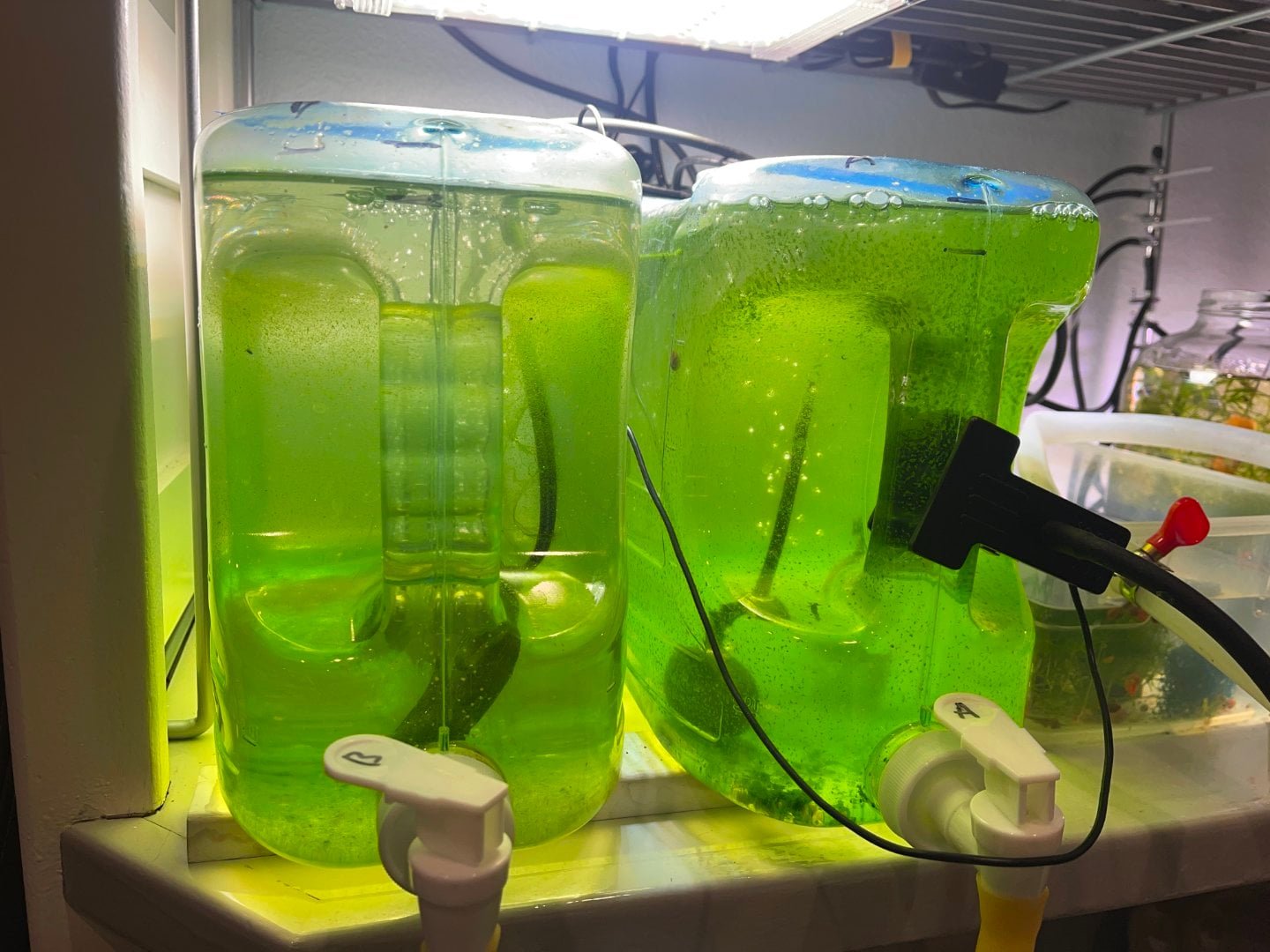
Hydroponic gardening grows plants without ordinary soil by supplying water and dissolved nutrients directly to their roots. Some systems keep roots in an inert growing medium, while others expose the roots to a nutrient solution. The design determines how water, oxygen, and nutrients reach the plants.
Hydroponics can work in homes, greenhouses, and other controlled spaces where traditional soil beds are impractical. Leafy greens and herbs are common choices for beginners because many grow well in compact systems. Tomatoes, cucumbers, and peppers can also be grown hydroponically, but they generally need more space, support, light, and nutrient management.
Source: i.ytimg.com
Advantages
Provides close control over water and nutrients and can fit into compact indoor or greenhouse spaces.
Limitations
Requires attention to nutrient concentration, water quality, root oxygen, equipment, and power where pumps are used.
Best suited for
Gardeners interested in controlled growing systems who can monitor the setup and maintain its equipment.
Common Hydroponic Systems
Deep water culture suspends plant roots in an oxygenated nutrient solution. Nutrient film technique moves a shallow flow of solution along a channel, while drip systems deliver nutrient solution to individual plants. Wick systems use a wick to draw solution toward the root zone and can suit some smaller plants.
Each design has different limits. A pump-dependent system can suffer when power fails, while a poorly aerated reservoir may deprive roots of oxygen. Choose a design that matches the crop, space, budget, and amount of monitoring you can provide.
Deep water culture
Keeps roots in a nutrient solution with adequate aeration.
Nutrient film technique
Moves a thin stream of nutrient solution through channels, making reliable flow important.
Drip hydroponics
Delivers nutrient solution to plants through emitters and may suit larger fruiting crops.
Wick systems
Draws solution toward the growing medium through wicks and is generally better for modest plant demands.
What Beginners Need to Monitor
Hydroponic plants depend on the system for a balanced supply of water, nutrients, and oxygen. Gardeners commonly monitor pH, nutrient concentration, water temperature when relevant, and the condition of the roots. Use nutrient products according to their directions and avoid mixing concentrated products in ways the manufacturer does not recommend.
Start with a small system and a crop that suits it. Learn how the plants respond before expanding. Keep reservoirs clean, inspect pumps and lines, and have a plan for a power or water-flow failure if the system depends on continuous circulation.
Check pH and nutrients
Use suitable test tools and crop-appropriate targets instead of guessing from leaf color alone.
Inspect roots and flow
Look for blocked lines, poor circulation, unusual odors, or unhealthy root color.
Plan for failures
Know how to protect plants if pumps stop or the nutrient solution becomes unsuitable.
7. Aquaponic Vegetable Gardening
Aquaponics combines fish culture with plant production in a connected water system. Fish produce waste that beneficial microbes help convert into forms plants can use. The plants take up some nutrients, and the treated water returns to the fish system according to the design.
Aquaponics can be an engaging way to grow vegetables while raising fish, but it requires more planning than a basic soil garden. Fish health, water quality, biological filtration, oxygen, temperature, and plant nutrition must remain in balance. Fish waste alone may not supply every nutrient that every vegetable needs.
Source: simplydiscus.com
Advantages
Combines vegetable production and fish culture while circulating water through a connected system.
Limitations
Requires suitable fish care, water testing, filtration, reliable aeration, and attention to system balance.
Best suited for
People interested in both plants and aquatic animal care who can maintain the system consistently.
How Aquaponics Supports Plant Growth
Fish waste supplies compounds that beneficial microbes transform through biological processes. Plant roots take up some of the resulting nutrients, and the filtration and water movement help maintain conditions for both fish and plants. The exact design and nutrient supply depend on stocking levels, feed, filtration, plant demand, and water management.
Leafy greens and herbs are often practical starting crops because they can have modest nutrient and structural demands. Fruiting crops may need more nutrients and support. The gardener must manage the fish and the plants as one linked system rather than treating either part as independent.
Protect fish health
Maintain appropriate water quality, temperature, and oxygen for the selected species.
Support beneficial microbes
Allow biological filtration to establish and avoid practices that disrupt the system’s microbial balance.
Check plant nutrition
Watch for signs of deficiency and use only supplements that are appropriate for the complete system.
Is Aquaponics Better Than Hydroponics?
Neither method is universally better. Hydroponics is often simpler when the main goal is vegetable production because nutrient management focuses on plants and their growing solution. Aquaponics adds fish care and biological filtration, which can be appealing to gardeners who want a combined system but also increases complexity.
Choose aquaponics for the interest and responsibility of managing both fish and crops, not because it automatically produces more vegetables or requires no added nutrients. Choose hydroponics if a controlled plant-growing system better fits your goals and available time.
Choose hydroponics when
You want to focus on plants and can manage nutrient solution, water flow, and system sanitation.
Choose aquaponics when
You want a connected fish-and-plant system and can provide ongoing care for both.
8. Indoor Vegetable Gardening
Indoor vegetable gardening grows food inside a home, sunroom, greenhouse-like enclosure, or dedicated growing area. It can extend the growing season and give gardeners more control over temperature and pests. However, indoor success depends heavily on light, airflow, space, and the ability to manage water without damaging floors or furnishings.
Herbs, microgreens, and leafy greens are often the easiest crops to begin with indoors. Fruiting vegetables such as tomatoes and peppers usually need stronger light and more room. A sunny window may be enough for some greens, but many crops need a suitable grow light to remain healthy and productive.
Source: media.invisioncic.com
Advantages
Allows growing beyond the outdoor season and provides more control over growing conditions.
Limitations
Artificial lighting, electricity, ventilation, and indoor moisture management may add costs and effort.
Best suited for
Apartment residents, gardeners in cold climates, and people who want fresh greens or herbs close at hand.
Lighting and Airflow Indoors
Place plants where they receive suitable light for their crop type. If natural light is weak, use a grow light intended for plants and follow its distance and timing guidance. Watch for stretched stems, pale growth, or slow development, which may indicate that light levels are inadequate, though other problems can cause similar symptoms.
Provide airflow and avoid keeping leaves wet for long periods. Use trays or other suitable protection beneath containers, and check for leaks before placing plants near electrical equipment. Keep cords, lights, and outlets protected from splashes and follow the equipment manufacturer’s safety instructions.
Start with easy crops
Try microgreens, herbs, or leafy greens before moving to large fruiting plants.
Manage indoor moisture
Prevent standing water and check for mold, mildew, and condensation around the growing area.
Use suitable lighting
Match the light intensity and daily lighting period to the crop’s needs.
9. Organic Vegetable Gardening
Organic vegetable gardening focuses on building healthy soil, supporting useful organisms, and managing pests and diseases with methods permitted under the chosen organic standard. It can use in-ground beds, raised beds, containers, or other growing systems. The term describes a management approach rather than a separate physical garden structure.
Common practices include adding suitable finished compost, using mulch where appropriate, rotating crops, selecting varieties suited to the local climate, and monitoring plants for early signs of pests. Organic gardening still requires careful decisions about fertility and pest control. Some products allowed in organic production can still harm people, beneficial insects, or aquatic life if used incorrectly.
Source: i.ytimg.com
Advantages
Encourages soil care, preventive pest management, and attention to the wider garden ecosystem.
Limitations
May require close monitoring, careful nutrient planning, and more than one control method for persistent pests.
Best suited for
Gardeners who want to emphasize soil health and use management practices that fit an organic production goal.
Practical Organic Gardening Methods
Build soil health by using appropriate compost, keeping soil covered when suitable, and avoiding unnecessary disturbance. Choose crops and varieties that match the local climate, and inspect the garden regularly. Remove severely diseased plant material according to local guidance rather than leaving it where a disease may spread.
Identify a pest before choosing a control. Hand removal, physical barriers, crop rotation, and habitat management may help in some cases. If a pesticide is needed, read the label, confirm that it is intended for the crop and pest, and follow all safety directions and harvest intervals.
Feed the soil carefully
Use mature compost and amendments based on crop needs and soil conditions.
Prevent pest problems
Inspect plants, use appropriate barriers, and remove affected material when recommended.
Use approved inputs responsibly
Follow product labels and the applicable organic standard instead of assuming that natural products are harmless.
10. Intensive and Succession Vegetable Gardening
Intensive gardening aims to make good use of available growing space by planning crop spacing, plant height, harvest timing, and soil care. Square-foot gardening is one organized form of intensive planting, but intensive methods can also be used in ordinary beds and containers. The goal is to use space well without overcrowding plants.
Succession planting helps keep a garden productive over time. Instead of sowing every seed at once, a gardener plants suitable fast-growing crops at intervals or follows an early crop with another that fits the remaining season. This can spread harvests and reduce the problem of having too much of one vegetable ready at the same time.
Source: i.ytimg.com
Advantages
Can increase useful harvests from a limited area and spread production across the season.
Limitations
Needs thoughtful timing, crop records, suitable spacing, and awareness of local planting windows.
Best suited for
Gardeners who want steady harvests from a small or medium growing area.
How to Plan Succession Planting
Begin with crops that mature relatively quickly, such as radishes or some leafy greens. Sow a small new batch after the first planting has become established, using intervals suited to the crop and your household’s needs. The right interval varies with weather, variety, and how quickly your family uses the harvest.
Plan follow-up crops before the growing area becomes empty. In some US regions, cool-season greens can grow in spring or fall, while heat-loving crops perform better in summer. Check local planting calendars because the dates that work in the Pacific Northwest may not suit Florida, Arizona, or the Northeast.
Record planting dates
Track sowing, germination, and harvest dates to improve future timing.
Match crops to the season
Choose varieties and planting times suited to local temperatures and frost dates.
Avoid exhausting the soil
Maintain soil fertility and rotate crop families when practical, especially when pest or disease problems occur.
How to Choose the Best Type of Vegetable Gardening
The best vegetable gardening method is the one that fits your space, soil, climate, budget, crop choices, and available time. A large yard with healthy soil may favor in-ground beds, while a paved patio may call for containers. A gardener who wants to grow food indoors year-round may prefer a compact hydroponic setup, provided suitable light and maintenance are available.
Before choosing a method, check how much direct sunlight the site receives, where water will come from, and whether you can reach every plant. Think about how often you can water, how much material you can move, and whether you need to take the garden apart later. These details often matter more than the name of the gardening method.
Source: image.slidesharecdn.com
For the lowest setup cost
Consider an in-ground plot if the soil is suitable and you already have access to land and basic tools.
For poor native soil
Consider raised beds or containers with a suitable growing mix.
For a balcony or patio
Choose containers and compact crops, after confirming the space can safely support the intended load.
For limited ground space
Use trellises, compact varieties, and carefully planned intensive planting.
For indoor production
Start with leafy greens or herbs and assess light, ventilation, and equipment costs before growing fruiting crops.
For a combined fish and plant system
Consider aquaponics only if you can provide proper fish care and ongoing water-quality management.
Vegetable Gardening Methods Compared
The table below compares common gardening methods by setup cost, space needs, and maintenance. These are general planning categories rather than exact prices because costs vary by location, materials, garden size, and the equipment already available.
In-ground gardening
Typical initial cost: low to moderate when soil is suitable. Space: moderate to large. Maintenance: regular weeding, watering, and soil care.
Raised bed gardening
Typical initial cost: moderate. Space: small to large. Maintenance: regular watering, soil replenishment, and structure checks.
Container gardening
Typical initial cost: low to moderate for a few pots. Space: small to moderate. Maintenance: frequent moisture checks and periodic feeding.
Vertical gardening
Typical initial cost: low to moderate depending on supports. Space: small ground footprint with suitable height. Maintenance: training, tying, and support checks.
Square-foot gardening
Typical initial cost: low to moderate, often using a raised bed. Space: small to moderate. Maintenance: careful spacing, watering, and crop planning.
Hydroponics
Typical initial cost: moderate to high depending on system size. Space: small to moderate. Maintenance: frequent checks of water, nutrients, roots, and equipment.
Aquaponics
Typical initial cost: moderate to high. Space: moderate depending on the fish and plant setup. Maintenance: plant care plus fish care, filtration, and water-quality monitoring.
Indoor gardening
Typical initial cost: low for simple herbs or greens and higher when grow lights and controlled equipment are needed. Space: small to moderate. Maintenance: light, water, airflow, and sanitation.
A Simple Example for a Beginner
Imagine a renter in Ohio with a sunny patio and no access to garden soil. A few large containers with suitable potting mix may be the most practical start. The gardener could grow compact tomatoes, peppers, lettuce, and herbs, then add a trellis for climbing beans if the space and support allow it.
Now imagine a homeowner in North Carolina with a large sunny yard and workable soil. An in-ground garden may cost less to establish over a broad area, while a small raised bed near the kitchen could hold frequently harvested greens and herbs. Both gardeners can grow useful food, but their best methods differ because their sites and needs differ.
Start small
Choose a few crops that suit the site and that your household enjoys eating.
Track what works
Record sunlight, watering needs, pest problems, and harvests so you can make better decisions next season.
Common Vegetable Gardening Mistakes to Avoid
Many garden problems begin with a mismatch between the crop and the growing site. A vegetable may struggle because it receives too little light, grows in waterlogged soil, or has too little root space. Check basic growing conditions before spending money on extra fertilizers or pest treatments.
Good gardening also depends on safe material choices and steady observation. Do not assume that more water or fertilizer will always improve growth. Correct the cause of a problem instead of treating every symptom the same way.
Source: i.pinimg.com
Planting in too much shade
Choose a sunnier site for crops that need strong direct light, or switch to suitable leafy vegetables that tolerate partial shade.
Overwatering
Check soil moisture and drainage before adding more water. Saturated roots may lack oxygen and become unhealthy.
Using the wrong soil
Use a suitable garden soil amendment or container mix instead of treating all growing media as interchangeable.
Crowding plants
Follow crop spacing guidance to allow root growth, airflow, and access for harvest.
Adding too much fertilizer
Base fertilizer use on crop needs and soil conditions. Excess nutrients can damage plants or contribute to water pollution.
Ignoring local climate
Use regional planting calendars and crop varieties suited to local heat, cold, humidity, and frost patterns.
Using unsafe reclaimed materials
Avoid containers or timber with unknown chemical residues, and use materials intended for the chosen growing purpose.
What to Check When Vegetables Grow Poorly
Start by checking sunlight, soil moisture, drainage, and the plant’s growth stage. Look at both new and older leaves, inspect the undersides for pests, and check whether roots have enough space. If the issue continues, consider a soil test or seek advice from a local university extension service.
When using pesticides or fertilizers, follow the product label and local rules. Keep products away from children and pets, use protective equipment as directed, and avoid applications that could contaminate drains or nearby waterways. If you cannot identify a serious plant disease or suspect contaminated soil, seek qualified local advice before eating produce from the affected area.
Inspect before treating
Identify the likely cause instead of applying multiple products without a clear reason.
Check local guidance
University extension services can provide region-specific advice on pests, soil, planting dates, and crop selection.
Planning a Vegetable Garden for the US Growing Season
Across the United States, vegetable planting dates vary widely because climates range from cold northern winters to long, hot southern growing seasons. The same vegetable may thrive in one region during spring and in another during fall. A national gardening rule cannot replace local frost dates, soil temperatures, and regional crop advice.
Cool-season crops such as lettuce, spinach, peas, and radishes often grow best during cooler periods. Warm-season crops such as tomatoes, peppers, beans, and cucumbers generally need warmer conditions. These categories are useful starting points, but each crop and variety has its own temperature and timing needs.
Source: i.ytimg.com
Check frost dates
Use local guidance for the expected last spring frost and first fall frost, while remembering that these dates are estimates rather than guarantees.
Match crops to the season
Plan cool-season and warm-season crops around the temperatures they tolerate.
Consider heat and humidity
In hot, humid regions, choose suitable varieties, maintain airflow, and watch for heat stress and fungal disease.
Adjust watering
Account for rainfall, wind, heat, soil type, container size, and the crop’s stage of growth.
Where to Find Reliable Local Gardening Advice
US land-grant university extension services offer regional information on vegetable varieties, planting dates, soil testing, pests, and disease management. The USDA Plant Hardiness Zone Map can help describe winter temperature patterns for perennial plants, but it does not by itself determine when to sow annual vegetables. Use local vegetable planting calendars and current weather conditions for that decision.
A garden journal can make local guidance more useful. Record when you plant, how long seeds take to emerge, when crops mature, and what pests appear. Over time, these records help you adapt general recommendations to the conditions in your own yard, patio, or growing room.
Use regional calendars
Look for vegetable planting calendars from a land-grant university extension service in your state.
Keep basic records
Write down planting dates, rainfall, watering, crop problems, and harvest results.
Frequently Asked Questions
Q
What are the easiest types of vegetable gardening for beginners?
Container gardening and simple in-ground gardening are often easy starting points. Containers suit people with little space, while an in-ground plot can be inexpensive when the soil is suitable. Begin with a few manageable crops, such as lettuce, radishes, bush beans, or herbs, and expand after you understand their light and watering needs.
Q
Which type of vegetable gardening is best for small spaces?
Container gardening, vertical gardening, and square-foot gardening are useful for small spaces. Containers let you grow vegetables on patios and balconies, vertical supports help climbing crops use height, and square-foot planning organizes a compact bed. Choose compact varieties and check sunlight, drainage, and the safe load capacity of balconies or other elevated areas.
Q
Is raised bed gardening better than in-ground gardening?
Neither method is always better. Raised beds provide more control over soil and can be easier to access, but they cost more to build and may need more frequent watering. In-ground gardening can be more economical across a large area when the native soil drains well and supports healthy root growth.
Q
Can vegetables grow without soil?
Yes. Hydroponic systems grow plants using water and dissolved nutrients, often with an inert medium to support roots. Aquaponic systems combine plant production with fish culture and biological filtration. Both methods require appropriate water quality, oxygen, nutrients, and system maintenance.
Q
What is the cheapest way to start a vegetable garden?
Using an existing patch of suitable soil is often one of the least expensive ways to begin. You may need only seeds, basic tools, water, and suitable soil amendments. A few reused containers can also be affordable if they are clean, food-safe for the intended use, and have proper drainage.
Q
How much sunlight does a vegetable garden need?
Many fruiting vegetables, including tomatoes, peppers, and cucumbers, grow best with around six to eight hours of direct sunlight daily. Some leafy vegetables can tolerate partial shade, especially in warmer conditions. Check the requirements of each crop and observe how sunlight changes across the growing area.
Q
Can I combine different vegetable gardening methods?
Yes. Different methods can work together in one garden. You could grow root crops in an in-ground bed, herbs in pots, climbing beans on a trellis, and leafy greens in a raised bed. Combining methods lets you match each crop to the space and growing conditions it needs.
✦ Wrapping Up
Conclusion
The main types of vegetable gardening include in-ground, raised bed, container, vertical, square-foot, hydroponic, aquaponic, and indoor gardening. Organic practices and succession planting can also be used with many of these methods. Each approach offers a different balance of space, cost, control, and maintenance.
The right choice depends on your growing site and the vegetables you want to harvest. Gardeners with good soil and a large yard may prefer traditional beds, while those with a small patio may get better results from containers and vertical supports. Hydroponics and aquaponics can suit people who want controlled systems and are prepared to monitor water, nutrients, and equipment.
Start with a manageable garden, choose crops suited to your climate, and focus on sunlight, drainage, soil or nutrient quality, and consistent care. You can learn from each growing season and adjust your approach as your skills and needs change.
💡 Key Takeaway
Choose one sunny growing area, select two or three vegetables your household enjoys, and match them to a practical method. Check local planting dates, prepare suitable soil or growing media, and keep a simple record of watering, growth, pests, and harvests.