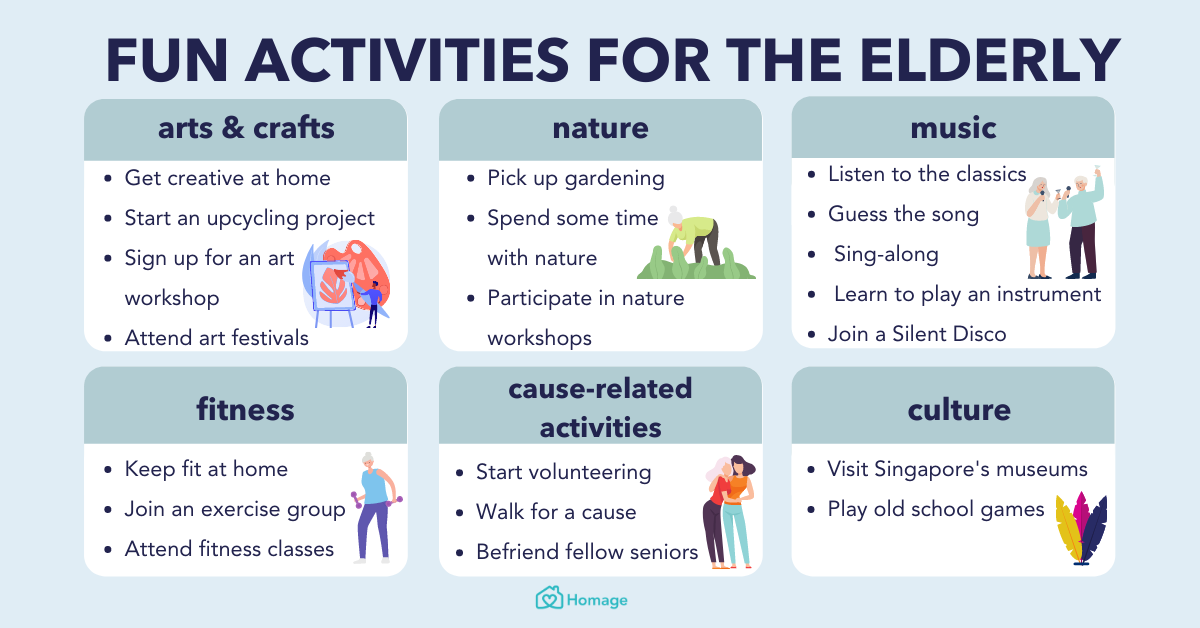
To find senior-friendly recreational activities, start with your local senior center, public library, parks and recreation department, YMCA, and Area Agency on Aging. Compare nearby programs by cost, accessibility, transportation, schedule, and personal interests before attending a trial session.
Across the United States, older adults can find recreational activities through community centers, public libraries, parks departments, nonprofit groups, faith communities, and local fitness facilities. These programs may include walking clubs, art classes, gardening, card games, music, swimming, educational talks, and group outings. The best place to begin is often a public service that already connects residents with local programs.
Finding an activity that fits is about more than finding something to do. A good match should suit the person’s interests, budget, energy level, mobility, hearing, vision, and preferred way of meeting others. Some older adults want lively group events, while others prefer quiet hobbies or small classes. The goal is to find an activity that feels welcoming, practical, and worth doing again.
This guide explains how to search for local opportunities, check whether a program is accessible, compare costs, and avoid common problems. It also covers options for older adults who live in rural areas, have limited transportation, or prefer to take part from home. These steps can help older adults and their families build a realistic plan for regular recreation.
Source: greatsenioryears.com
1. Understand What Makes a Recreational Activity Senior-Friendly
A senior-friendly recreational activity is one that an older adult can access, understand, afford, and enjoy with reasonable comfort and support. It does not have to be designed only for older people. A public gardening club, community choir, walking group, or craft class can work well if the setting and activity meet the participant’s needs.
Age alone does not determine what someone can do. One person may enjoy a long nature walk, while another may prefer seated yoga, a book club, or a short art class. Good choices respect these differences without making assumptions about what older adults can or cannot do.
Before searching, think about what the person wants from recreation. The main goal may be social contact, movement, learning, creative expression, relaxation, or a sense of purpose. Knowing the goal makes it easier to narrow the search and avoid programs that sound appealing but do not meet the person’s needs.
Source: managementworksmedia.com
Physical access
Check for step-free entrances, elevators, nearby seating, accessible restrooms, safe walking surfaces, and suitable activity options.
Sensory access
Ask whether staff can provide large-print materials, clear written instructions, good lighting, hearing support, or reduced background noise.
Cost and schedule
Compare registration fees, equipment costs, membership rules, class times, cancellation policies, and the time needed to travel.
Social comfort
Find out whether the activity welcomes beginners, offers small groups, allows a support person, or provides a quiet place to rest.
Match the Activity to Personal Interests
Start with things the person already enjoys or has wanted to try. Someone who likes cooking might enjoy a community food program, while a former gardener may prefer a horticulture club. People who enjoy learning could try a history lecture, language class, or computer workshop.
A familiar hobby can make the first visit less stressful. A new activity can also be rewarding when it starts at a comfortable level and allows time to learn. Neither option is automatically better; the right choice depends on the person’s wishes.
For social contact
Look for coffee mornings, card groups, community meals, choirs, or discussion clubs.
For creative interests
Search for painting, pottery, sewing, photography, music, writing, or crafts.
For movement
Explore walking groups, water exercise, gentle dance, tai chi, or classes with seated options.
For learning
Consider library talks, lifelong learning programs, technology classes, and local museum events.
2. Start With Local Senior Centers and Community Centers
Local senior centers and community centers are useful first stops because they often offer several activities in one place. Depending on the community, a center may host exercise classes, games, crafts, educational talks, social events, shared meals, or organized trips. Some programs are open to adults of different ages, while others have eligibility rules.
To find a nearby center, search online for senior center near me, older adult programs, or community recreation classes along with the town or ZIP code. You can also ask a local library, town hall, social services office, or community organization for a current program list.
Do not assume every center offers the same services. A small town may have only a few weekly events, while a larger city may have several centers with different schedules. Contact the center directly to confirm the current calendar, registration process, and any fees.
Source: homage.sg
Request a current calendar
Ask for a printed or digital schedule showing activity names, dates, times, locations, and registration deadlines.
Ask about trial visits
Find out whether newcomers can observe a class or attend one session before committing.
Check eligibility
Confirm minimum age requirements, residency rules, membership fees, and whether a guest may attend.
Ask about support
Check whether staff can help newcomers find the room, understand the activity, or arrange an accessible seating option.
Use Area Agencies on Aging to Find Local Programs
Area Agencies on Aging are regional organizations in the United States that connect older adults and caregivers with aging-related services. Depending on the area, they may provide information about community activities, transportation, caregiver resources, nutrition programs, and other local support.
Use the Eldercare Locator, a public service of the U.S. Administration for Community Living, at eldercare.acl.gov or call 1-800-677-1116 to find aging services near a U.S. address. Ask specifically about recreation, social groups, wellness programs, and transportation options. Available services vary by location, and not every agency directly runs recreational activities.
Ask for several options
Request programs in more than one category, such as social events, movement classes, arts, and educational activities.
Mention practical barriers
Explain if transportation, limited mobility, hearing access, or program costs make participation difficult.
3. Search Public Libraries, Parks Departments, and Local Organizations
Public libraries and municipal parks departments often provide affordable ways to take part in community life. Libraries may offer book clubs, lectures, writing groups, craft workshops, film events, and basic technology lessons. Parks and recreation departments may run walking programs, nature outings, dance classes, gardening projects, swimming sessions, and fitness activities.
Start with the official website of the city, county, or town. Search its recreation calendar, library events page, community education listings, and adult enrichment programs. If the website is hard to use, call the front desk and ask a staff member to explain the current options.
Other useful sources include museums, botanical gardens, arts councils, community colleges, volunteer centers, nonprofit organizations, and faith communities. Some offer discounts for older adults, but discounts and age-based eligibility vary. Confirm the full cost before enrolling.
Source: oldernbetter.com
Public libraries
Look for book discussions, puzzles, craft sessions, author talks, history presentations, and computer help.
Parks and recreation departments
Explore nature walks, community gardens, swimming, low-impact classes, and seasonal outings.
Museums and cultural groups
Check guided tours, daytime performances, lectures, art workshops, and volunteer programs.
Community colleges
Ask about noncredit classes, public lectures, lifelong learning groups, and short courses open to community members.
Nonprofit and faith communities
Ask about social gatherings, music groups, service projects, discussion circles, and accessible group outings.
Use Search Terms That Fit the Activity
Broad searches can return too many results or show events that have already ended. Add the activity type, town, and access need to make results more useful. Search the official program page whenever possible, then contact the organizer to verify the details.
For example, a search for gentle exercise classes in Austin or accessible art classes in Columbus is more specific than a general search for senior activities. A ZIP code can help narrow results, but confirm that the venue is actually within a manageable travel distance.
For social events
Try senior social groups, older adult clubs, community lunches, or daytime social activities in your town.
For outdoor recreation
Search accessible walking trails, community gardening, guided nature walks, or adaptive recreation programs.
For learning
Search public library classes, lifelong learning programs, senior computer classes, or local history lectures.
For reduced mobility
Try seated exercise classes, accessible arts programs, adaptive recreation, or chair-based group activities.
4. Explore Fitness Centers and Adapted Recreation Programs
Fitness centers, community pools, and recreation facilities can help older adults find structured ways to move. Some offer low-impact classes, water exercise, balance activities, gentle stretching, or sessions intended for older beginners. Others provide adapted recreation for people with mobility, sensory, or other access needs.
Before joining, ask what the instructor expects participants to do and whether movements can be adjusted. Find out if chairs, handrails, pool lifts, accessible changing rooms, or other support features are available when needed. A program described as gentle or beginner-friendly still may not suit every participant.
People with chronic conditions, recent injuries, dizziness, or concerns about balance should discuss suitable activity with a qualified health professional when needed. Start at a comfortable level, follow the instructor’s guidance, and stop if symptoms such as chest pain, faintness, or unusual shortness of breath occur. Severe or sudden symptoms require urgent medical attention.
Source: karmacare.com
Ask about class intensity
Find out whether the session includes standing, floor exercises, quick changes of direction, weights, or extended periods of activity.
Check instructor qualifications
Ask about training relevant to the class and experience supporting participants with different abilities.
Inspect the setting
Check the entry route, floor surfaces, seating, restrooms, changing areas, and access to water.
Compare membership terms
Ask about one-time visits, trial periods, cancellation rules, required equipment, and extra facility fees.
Consider Adaptive and Seated Activities
Adaptive recreation changes an activity, its equipment, or its setting so people with different abilities can take part. Examples include seated dance, adapted cycling, supported gardening, accessible swimming, and games that use larger pieces or easier-to-handle equipment.
Ask the organizer what adjustments are available rather than deciding in advance that an activity is unsuitable. Some programs can make simple changes, while others may have limits because of their space, staffing, or equipment.
For limited standing tolerance
Ask about seated exercise, tabletop crafts, seated dance, and classes with rest breaks.
For balance concerns
Check whether the venue has stable supports and whether the activity can be adapted safely.
For hearing or vision needs
Ask about written instructions, clear demonstrations, good lighting, microphones, and accessible materials.
5. Find Free and Low-Cost Recreational Activities
Affordable recreation is available through many public and nonprofit organizations. Libraries, municipal programs, volunteer groups, community gardens, and local clubs may offer free events or low-cost sessions. However, a free activity may still require transport, supplies, parking, or a membership, so calculate the full cost before making plans.
Ask about reduced fees, scholarships, subsidized transportation, loaned equipment, or discounts for older residents. Some programs have limited funding or require proof of income, age, or residency. Never assume that a discount applies until the organizer confirms the terms.
A low-cost activity can also begin at home. Reading groups, puzzles, music, drawing, gardening in containers, and online classes may need little equipment. The main question is whether the activity is enjoyable and easy enough to continue over time.
Source: grandpacking.co.nz
Use public resources
Check library calendars, municipal recreation schedules, free museum days, and community events.
Ask about fee assistance
Contact the organizer about reduced rates, hardship funds, senior discounts, and payment options.
Borrow before buying
Ask whether a class provides supplies or whether a library, community group, or friend can lend equipment.
Include transportation costs
Compare bus fares, parking, rideshare costs, and any fees for accessible transport.
Compare the True Cost of an Activity
A simple budget helps prevent an attractive program from becoming a financial strain. Add the registration fee, equipment, travel, meals, and any required membership charges. If the program meets weekly, estimate the monthly total before committing.
For example, a hypothetical class costing $8 per session with four sessions per month costs $32 in class fees. If transport costs another $5 per visit, the monthly total becomes $52. This calculation excludes optional supplies or other expenses, which should be added when relevant.
Check recurring charges
Ask whether the fee is per class, per month, per term, or part of a membership.
Look for hidden expenses
Confirm equipment, materials, parking, refreshments, trip deposits, and cancellation fees.
6. Check Transportation and Accessibility Before Signing Up
Transportation can determine whether a good activity is practical. A nearby class may be difficult to reach without a car, while a farther program may be easier to attend if it is on a reliable bus route or offers accessible transport. Check the full journey, including the walk from the stop to the entrance.
In the United States, transportation options may include public transit, local paratransit services, community shuttles, nonprofit ride programs, volunteer drivers, and rides from friends or family. Availability and eligibility vary. Contact the transit agency or local aging services organization to learn about application steps, fares, service areas, and booking rules.
Accessibility should be confirmed directly with the venue. A website photo cannot establish whether an entrance is step-free, an elevator works, or a restroom meets a participant’s needs. Explain what support is needed and ask staff to describe the actual route and facilities.
Source: hcareconcepts.com
Check the complete route
Confirm travel time, crossings, slopes, steps, drop-off areas, parking, and the distance to the activity room.
Consider heat, cold, rain, walking distance, waiting areas, and whether the venue provides seating.
Confirm assistance in advance
Ask whether staff can meet a first-time visitor at the entrance or explain where to check in.
Use a Simple Accessibility Checklist
A short phone call can reveal barriers that are not clear from an event listing. Explain the person’s needs in plain terms, such as requiring a step-free entrance, a chair near the activity, or written instructions in large print. Ask the organizer to confirm what can be provided and what cannot.
If an activity requires equipment transfers, close physical support, or help with personal care, clarify responsibilities before attending. Do not assume a recreation instructor provides personal care or medical supervision.
Entrance and movement
Confirm ramps, elevators, door widths, accessible paths, handrails, and room layout where relevant.
Rest and restroom access
Ask about nearby seating, rest breaks, accessible restrooms, and drinking water.
Communication
Check whether instructions can be repeated, written down, demonstrated, or provided in an accessible format.
7. Explore Online Activities and Recreation at Home
Online recreation can help older adults participate when transport, distance, weather, or energy makes travel difficult. Options include virtual book clubs, online lectures, craft demonstrations, language lessons, music sessions, and video calls with friends. Public libraries, museums, universities, and community organizations may provide free or low-cost online events.
Before joining, check the device requirements, internet connection, registration process, privacy rules, and any software fees. Some classes require a camera or microphone, while others allow participants to listen without appearing on screen. Ask for help with setup if the technology feels unfamiliar.
Home-based activities can also provide a regular sense of purpose without a formal class. Gardening in containers, writing letters, listening to music, cooking familiar recipes, assembling puzzles, and doing crafts can all fit different interests and abilities. These activities can complement in-person contact, especially when getting out is difficult.
Source: i.pinimg.com
Virtual group activities
Look for online discussion groups, game sessions, language circles, and shared-interest clubs.
Educational events
Explore digital library programs, museum talks, history lectures, and beginner technology classes.
Creative hobbies
Try drawing, knitting, music, digital photography, journaling, or guided craft projects.
Remote social contact
Arrange recurring calls, virtual coffee dates, or shared activities with friends and relatives.
Make Online Participation Easier
Choose a device with a screen and controls that are comfortable to use. Increase text size, use headphones if helpful, and keep written login instructions in a safe place. A trusted family member, librarian, or community technology volunteer may be able to help with setup.
Protect personal information when joining unfamiliar platforms. Use official organization websites, avoid sharing financial details with unverified organizers, and review privacy settings. A legitimate recreational program should be able to explain its fees and registration process clearly.
Start with one session
Choose a short class or event to learn how the platform works before enrolling in a longer program.
Test the technology
Check sound, text size, internet access, and meeting links before the activity begins.
8. Compare Activities With a Practical Decision Table
When several programs look appealing, compare them using the same criteria. This makes trade-offs easier to see and reduces the chance of choosing an activity based only on an attractive description. The table below gives general guidance; actual costs, access features, and schedules depend on the local provider.
Source: karmacare.com
Social clubs and card groups
Best for people who enjoy conversation and shared interests. Ask about group size, noise levels, fees, and whether newcomers can attend.
Arts and crafts
Useful for creative expression and learning. Check materials costs, table height, lighting, and support for different hand abilities.
Walking and nature groups
Suitable for people who enjoy the outdoors and can manage the route with appropriate support. Confirm distance, terrain, rest stops, and weather plans.
Gentle movement classes
May suit people seeking structured activity. Confirm class intensity, instructor qualifications, adaptations, and access to seating.
Library and learning programs
Often useful for learning and social contact. Check registration, class format, technology needs, and available accessibility support.
Online hobbies
Can reduce travel demands. Check device access, internet costs, digital skills, and opportunities to interact with others.
Volunteer programs
May offer purpose and social contact. Ask about time commitments, physical tasks, training, background checks where relevant, and transport.
Use a Personal Scorecard
Give each activity a simple score from 1 to 5 for interest, accessibility, total cost, transport, schedule, and social comfort. For cost and transport, a higher score should mean the option is more affordable or easier to reach. Add the scores to compare options, but treat the result as a decision aid rather than a scientific measure.
For example, a nearby art class may score higher than a popular fitness program because it costs less, requires less travel, and better matches the person’s interests. If one activity has a serious accessibility or safety barrier, do not let a high overall score hide that problem.
Keep essential needs separate
Mark non-negotiable requirements such as step-free access, a suitable schedule, or an affordable monthly cost.
Use trial sessions to confirm fit
Treat the first visit as a chance to check the atmosphere, instruction, comfort, and actual travel time.
9. Call the Organizer and Ask the Right Questions
A short conversation with the organizer is one of the best ways to confirm whether a program is suitable. Online listings may leave out important details about class intensity, access, fees, group expectations, or transportation. Write down the answers so that several options can be compared fairly.
Be clear about what the participant wants and what may make attendance difficult. There is no need to share private medical details that the organizer does not need. Describe the practical requirement, such as needing seated breaks or a quiet space, and ask whether the program can accommodate it.
Source: greatsenioryears.com
What is the full cost?
Ask about registration, memberships, supplies, transport, deposits, and cancellation fees.
Can beginners attend?
Confirm whether previous experience is required and whether newcomers can try one session.
What accessibility features are available?
Ask about entrances, restrooms, seating, communication support, and activity adaptations.
What should participants bring?
Check clothing, footwear, equipment, water, identification, forms, or any required supplies.
How is the group supervised?
Ask who leads the activity, what support is available, and what happens if a participant needs assistance.
How do cancellations work?
Confirm the process for illness, bad weather, transport problems, or a change in schedule.
Signs of a Welcoming Program
A well-organized program should explain its activities, fees, expectations, and access arrangements in plain language. Staff should respond respectfully to questions and avoid pressuring a visitor to register before they understand the commitment.
Be cautious if the organizer cannot explain who runs the activity, gives unclear fee information, demands unnecessary personal or banking details, or refuses reasonable questions about access. Verify the organization through an official website or public contact number before paying or sharing sensitive information.
Clear information
The organizer provides a current schedule, a full fee breakdown, and understandable participation rules.
Respectful communication
Staff listen to access needs, answer questions, and treat participants as adults who can make their own choices.
Reasonable expectations
The program explains what it can provide and does not promise medical benefits or guaranteed outcomes.
10. Try the Activity and Review the Experience
A program may look suitable online but feel different in person. Whenever possible, attend a trial session, open house, or introductory event before making a long commitment. Notice whether the venue is easy to reach, the instructions are clear, the pace feels manageable, and other participants treat newcomers with respect.
After the visit, ask the older adult what they liked and what they would change. Do not judge success only by whether the person made friends immediately or completed every task. A new group may take several visits to feel familiar, and the participant should remain free to choose another activity.
If the first option does not work, identify the reason before giving up on recreation altogether. A problem with transport may be solved by finding a closer venue, while a class that moves too quickly may be replaced by a beginner session. Small adjustments can make the search more effective.
Source: homage.sg
Before attending
Confirm the time, location, cost, transport, contact person, and anything to bring.
During the visit
Check comfort, access, pace, noise, seating, instructions, and how staff welcome participants.
After the visit
Discuss enjoyment, cost, travel, fatigue, and whether the person wants to return.
Before committing
Review cancellation rules and make sure the schedule remains realistic.
Build a Sustainable Weekly Routine
Start with one activity that fits the person’s schedule and energy. If the experience goes well, add another option later, such as a weekly social group and a separate hobby at home. A steady routine is usually easier to maintain than a calendar full of events.
Allow time for rest, family duties, appointments, weather changes, and unexpected transport delays. If an activity begins to feel tiring or costly, adjust the frequency or choose a simpler alternative. The aim is enjoyable participation, not meeting a fixed quota.
Keep the plan flexible
Choose activities with schedules and travel demands that allow for changes in energy and other commitments.
Track what works
Record favorite activities, total costs, transport needs, and any adjustments that improve comfort.
Reassess periodically
Review the routine when interests, abilities, budgets, or local program schedules change.
11. Avoid Common Mistakes When Choosing Senior Activities
The most common mistake is choosing a program because it is advertised for seniors without checking whether it fits the individual. Age-specific activities can be helpful, but they do not guarantee the right pace, access, social atmosphere, or cost. Look at the actual requirements rather than relying on the label.
Another mistake is making a long-term commitment too early. Memberships and multiweek courses may be reasonable for a proven favorite, but a trial visit is more useful when the person is uncertain. Ask about refund and cancellation rules before paying.
It is also easy to overlook transportation and recovery time. An activity can be affordable and enjoyable but still become difficult if the journey is exhausting or the schedule leaves too little time to rest. Include the entire experience, not just the time spent in the class.
Assuming every older adult has the same needs
Ask about the person’s interests and preferences instead of making decisions based on age or stereotypes.
Trusting an outdated listing
Confirm current dates, fees, locations, and registration details directly with the organizer.
Ignoring extra expenses
Calculate equipment, transport, membership, parking, and supply costs before enrolling.
Overlooking accessibility
Verify entrances, restrooms, seating, communication options, and the demands of the activity.
Pressuring someone to join
Offer choices and respect a person’s decision to try, continue, change, or stop an activity.
Expecting instant results
Allow time to get comfortable, while recognizing that a program that remains unpleasant or impractical may not be a good match.
Know When to Seek Additional Support
If an older adult needs help with transfers, personal care, medication, or other support during an outing, confirm the arrangements with the relevant care provider and activity organizer. Recreational staff may not be trained or authorized to provide these services.
For activity choices affected by medical conditions, recent surgery, frequent falls, or significant balance concerns, seek guidance from a qualified health professional. This can help identify suitable forms of movement and any limits that should be considered. Do not rely on a general activity listing as a substitute for individual advice.
For mobility concerns
Ask about access arrangements and discuss suitable activity levels with a qualified professional when needed.
For communication support
Request accessible instructions, appropriate assistance, or a support person when permitted.
For ongoing isolation or low mood
Consider social programs and community support. If distress is persistent or severe, seek appropriate professional help.
12. Research Notes and Questions Worth Answering Next
A useful local activity guide should help readers move from broad ideas to a confirmed, practical choice. The most important next questions concern where to search, how to verify accessibility, what the full cost will be, and how to arrange transport. These decisions often matter more than a long list of activity ideas.
The following gap map is an editorial planning aid based on the needs implied by this guide. It is not a report of verified search demand or a comparison of inspected competitor pages. No live competitor-page review, search-volume analysis, or first-hand program testing is claimed here.
Where can I find local senior programs?
Reader stage: initial search. Basis: inferred next need from the primary task. Competitor coverage: not checked. Benefit: gives readers a direct route to local services. Evidence needed: official local program directories and current contact details. Priority: high. Placement: community search sections.
How can I tell whether an activity is accessible?
Reader stage: comparison. Basis: inferred next need from the importance of practical access. Competitor coverage: not checked. Benefit: reduces the chance of an unsuccessful visit. Evidence needed: venue-specific accessibility information and direct confirmation. Priority: high. Placement: accessibility checklist.
What will the activity cost each month?
Reader stage: budgeting. Basis: inferred next need from recurring participation. Competitor coverage: not checked. Benefit: helps readers compare the full cost rather than the advertised fee alone. Evidence needed: current provider prices and transportation costs. Priority: high. Placement: cost section.
What can I do if I cannot drive?
Reader stage: planning attendance. Basis: inferred next need from the transport barrier. Competitor coverage: not checked. Benefit: helps readers identify workable routes and services. Evidence needed: current local transit, paratransit, and community ride rules. Priority: high. Placement: transportation section.
How can I participate from home?
Reader stage: alternative planning. Basis: inferred next need for readers facing distance or access barriers. Competitor coverage: not checked. Benefit: provides options when in-person attendance is difficult. Evidence needed: current online program schedules, fees, and technology requirements. Priority: medium. Placement: online activities section.
Research Limits and Source Selection
The practical recommendations in this article distinguish general planning guidance from details that must be confirmed locally. Public services, community organizations, and individual venues can change their schedules, eligibility rules, prices, and access arrangements. Readers should use official provider information for current local decisions.
For U.S. aging-service referrals, the Eldercare Locator and the Administration for Community Living are relevant public resources. Local library systems, municipal recreation departments, and transit agencies are also appropriate sources for schedules and service rules. The article does not claim that a live review of three to five competing pages was completed, nor does it claim firsthand testing of any listed activity.
Use official sources for changing details
Confirm schedules, prices, eligibility, and access features with the organization that provides the service.
Separate observed questions from assumptions
Treat the gap map as inferred editorial planning, not verified search data or proof that other websites omit these answers.
Frequently Asked Questions
Q
Where is the best place to find senior-friendly recreational activities?
Start with a local senior center, public library, parks and recreation department, or Area Agency on Aging. These sources can point you toward social groups, creative classes, exercise programs, educational events, and community outings. In the United States, the Eldercare Locator at eldercare.acl.gov or 1-800-677-1116 can help you find aging services in your area.
Q
Are there free recreational activities for seniors in the United States?
Yes. Some libraries, municipal programs, community groups, volunteer organizations, and cultural institutions offer free activities. Availability depends on the location and program. Check for registration requirements, equipment costs, transport expenses, and eligibility rules before attending.
Q
How can I find activities for seniors with limited mobility?
Search for accessible recreation, adaptive programs, seated exercise, accessible art classes, and online social groups. Contact the organizer to confirm entrances, restrooms, seating, rest breaks, and any needed equipment. If an activity involves physical exertion and the person has relevant health concerns, seek appropriate guidance from a qualified health professional.
Q
What recreational activities can older adults enjoy at home?
Options include reading, puzzles, music, painting, crafts, container gardening, cooking, writing, and online classes. Video calls and virtual clubs can also support social contact. Choose activities that match the person’s interests, available space, budget, and comfort with technology.
Q
How do I know whether a senior activity program is reputable?
Check the organizer’s official website, public contact details, program description, fee schedule, and participation rules. Ask who leads the activity and what support is available. Be cautious about pressure to pay immediately, unclear fees, unrealistic health promises, or requests for unnecessary personal or financial information.
Q
How many recreational activities should an older adult join?
There is no single number that suits everyone. Start with one activity that fits the person’s interests, energy, budget, and schedule. Add another only if the first is enjoyable and the extra commitment remains practical. A flexible routine is better than a crowded calendar that causes stress or fatigue.
✦ Wrapping Up
Conclusion
Learning how to find senior-friendly recreational activities starts with a clear idea of what the older adult enjoys and what makes participation practical. Local senior centers, public libraries, parks departments, Area Agencies on Aging, fitness facilities, and community organizations offer useful starting points across the United States. Online groups and home-based hobbies provide more choices when travel is difficult.
Before choosing a program, verify its schedule, total cost, accessibility, transportation options, and participation rules. Whenever possible, try one session before paying for a long course or membership. If the first option does not work, adjust the search rather than assuming recreation is out of reach.
The best activity is one the person wants to return to. A weekly card game, a short walk with a group, a creative class, or an online discussion can all be worthwhile when they fit the individual’s preferences and circumstances. Let the older adult guide the decision and build a routine that feels enjoyable and sustainable.
💡 Key Takeaway
Choose two local sources today, such as a senior center and public library. Contact each for its current activity calendar, select one promising option, confirm the full cost and access arrangements, and arrange a trial visit before making a long-term commitment.