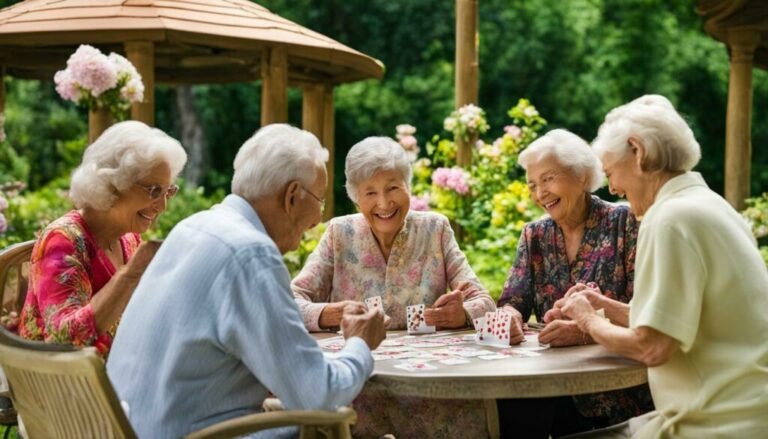
Some good games for elderly adults include bingo, card games, dominoes, jigsaw puzzles, word games, board games, and simple group activities. The best choice depends on each person’s interests, vision, hearing, mobility, and preferred level of challenge.
Across the United States, older adults enjoy many kinds of games at home, in senior centers, in assisted living communities, and during family gatherings. A good game can turn a quiet afternoon into a chance to laugh, think, share stories, and spend time with others. The best activities do not need costly equipment or complex rules. A deck of cards, a large-print puzzle, or a simple game of bingo can be enough to bring people together.
When choosing games for elderly adults, focus on enjoyment, comfort, and personal choice. Some seniors like quiet activities that they can complete alone, while others prefer lively games with friends or relatives. Games can offer chances to practice memory, attention, language, and problem-solving, but no single game can prevent dementia or guarantee better brain health. A thoughtful mix of familiar favorites and new activities can help make leisure time more rewarding.
This guide explains the best games for older adults, how to choose suitable options, and how to adapt activities for different abilities. It also covers affordable games, group activities, games for people with limited mobility, and practical ways to make play more comfortable and inclusive. The aim is simple: help families, caregivers, and seniors find activities that are fun, accessible, and easy to enjoy.
1. Bingo: A Favorite Game for Older Adults
Bingo is one of the most accessible games for elderly adults because the rules are simple, the pace can be adjusted, and many people already know how to play. Players listen for a called number and mark the matching space on a card. The first person to complete the required pattern calls bingo and wins the round.
This game works well at family gatherings, senior centers, retirement communities, and assisted living facilities. It can be played with a small group around a table or with a larger group in a common room. A host can also use themed cards featuring animals, foods, music, or familiar objects instead of numbers.
Bingo gives players a shared activity without requiring extensive movement. Listening for calls, scanning a card, and marking spaces can involve attention and visual recognition. The main goal, however, should be enjoyment and social interaction rather than a promise of improved memory.
Best for
Seniors who enjoy group activities, simple rules, and a friendly sense of competition.
What you need
Bingo cards, markers or chips, and a caller. Large-print cards and easy-to-grip markers can make the game more accessible.
How to make it easier
Speak clearly, allow enough time between calls, use large numbers, and keep the playing area well lit.
Try Themed Bingo for More Variety
Themed bingo can make a familiar activity feel fresh. For example, players might match pictures of household items, identify classic songs, or mark foods associated with different seasons. Choose topics that suit the group and avoid questions that could embarrass someone who does not know an answer.
For a relaxed session, offer small, optional prizes such as bookmarks, flowers, or favorite snacks when appropriate. Participation should matter more than winning, and players should always be free to watch instead of joining.
Picture bingo
Use clear pictures instead of small printed words for players who find reading difficult.
Music bingo
Play short excerpts of familiar songs and let players identify titles or artists at a comfortable pace.
2. Card Games for Seniors
Card games are affordable, portable, and easy to adapt for different group sizes. A standard deck offers dozens of ways to play, from simple matching games to traditional favorites that require more planning. Seniors can play at home, during visits with family, or as part of a regular social group.
Choose a game with rules the players already know when introducing an activity to a mixed group. Familiar rules reduce the need for lengthy explanations and let everyone focus on playing together. If the group wants a challenge, introduce one new rule or game at a time.
Hand comfort matters when choosing cards. Large-print decks can help people read numbers and suits, while card holders may help those who have trouble gripping or fanning several cards. A smooth, stable table can also make it easier to handle the deck.
Go Fish
A simple matching game that works well for beginners and intergenerational play. Players ask others for cards and collect matching sets.
Old Maid
A straightforward game based on matching pairs and avoiding the unmatched card. It is useful for relaxed family sessions.
Rummy
A flexible option for people who enjoy forming sets and sequences. House rules can be simplified for casual play.
Bridge
A more demanding partnership game for experienced players who enjoy planning, communication, and strategic decisions.
Solitaire
A solo card game for quiet time. Players can choose among several versions and use a physical deck or an accessible digital option.
War
A very simple comparison game that requires little strategy and can suit players who prefer short, easy rounds.
How to Choose the Right Card Game
Start with the player’s familiarity and comfort. A person who enjoys strategy may prefer rummy or bridge, while someone looking for an easy social activity may like Go Fish or Old Maid. Solitaire is useful when a person wants to play alone or at a time that suits them.
Avoid rushing through turns or correcting every small mistake. If a player forgets a rule, offer a quiet reminder or keep a short rule sheet on the table. The aim is to create an enjoyable activity, not to test anyone.
For low vision
Use large-print cards with clear contrast and avoid dim rooms or glare.
For limited hand strength
Consider card holders, fewer cards in hand, or games that use cards laid flat on the table.
3. Dominoes and Mahjong
Dominoes and mahjong are good choices for older adults who like patterns, matching, and thoughtful play. Both can be social activities, and both offer variations that range from relatively simple to quite complex. The right version depends on the player’s familiarity and the group’s preferred pace.
Dominoes can be played with a standard set by matching the number of dots on open ends. Some versions focus on reaching a target score, while others involve drawing tiles and planning how to play them. Large dominoes with clear markings can help players see the dots more easily.
Mahjong uses sets of tiles and has several rule systems. Traditional mahjong often involves collecting matching sets and sequences, while mahjong solitaire is a different, usually single-player matching puzzle. The distinction matters because the two games have different rules and social demands.
Best for
People who enjoy recognizing patterns, taking turns, and playing familiar table games.
Accessibility tip
Choose larger tiles or dominoes with strong contrast and clear symbols. Keep spare pieces in a tray so they are easier to reach.
Social benefit
Table games provide natural chances to talk, share traditions, and spend time with other players.
Start With a Simple Version
For beginners, use a basic domino matching game and explain the rules with one example turn. For mahjong, choose a beginner-friendly rule set and provide a visual guide to the tiles. A demonstration round can help everyone understand how the game works before scoring begins.
If a player finds the full game too demanding, remove complex scoring or shorten the session. A simplified game can still be rewarding when the group agrees on the rules in advance.
Keep pieces organized
Use a shallow tray or clearly separated areas to prevent pieces from sliding or becoming mixed together.
Allow practice rounds
Play one or two rounds without scoring so new players can learn at their own pace.
4. Jigsaw Puzzles for Relaxed Indoor Fun
Jigsaw puzzles are useful for seniors who prefer a quiet activity that can be completed alone or with others. They offer a clear goal without the pressure of a timed competition. Players can work for a few minutes at a time and return to the puzzle later.
The best puzzle is not always the one with the most pieces. A large puzzle with a clear image and distinct colors may be more enjoyable than a small, crowded picture with many similar shades. Choose a subject the person likes, such as landscapes, pets, gardens, buildings, or scenes from familiar places.
Puzzles involve visual search, shape recognition, and problem-solving. They can also encourage conversation when people work together. However, completing puzzles should be viewed as recreation, not as a proven way to prevent dementia or treat memory problems.
Choose an appropriate size
Start with a smaller puzzle if the person is new to the activity or tires easily. Increase the difficulty only if the player wants a greater challenge.
Look for clear images
Pictures with distinct colors, recognizable objects, and fewer large areas of similar color may be easier to complete.
Use an accessible workspace
Place pieces on a stable table with comfortable seating and enough room to sort them without bending or reaching too far.
Physical and Digital Jigsaw Puzzles
Physical puzzles offer a hands-on experience and can become a shared family activity. A sorting tray, puzzle board, or non-slip mat can help keep pieces organized. If space is limited, a board that can be moved safely may let the puzzle remain in progress between sessions.
Digital puzzles can be helpful for people who prefer a tablet or computer. Some apps allow players to enlarge pieces, change the number of pieces, or adjust the screen. Check that the device has readable controls and that the player can use the touch screen or mouse comfortably.
For reduced dexterity
Try larger pieces, fewer pieces, or digital puzzles with easy-to-select pieces.
For shared play
Let each person choose a section of the picture or take turns finding pieces that fit.
5. Word Games, Trivia, and Number Puzzles
Word games and number puzzles are good options for seniors who enjoy language, facts, and logical challenges. They can be played on paper, with cards, through books, or on a digital device. Difficulty can be adjusted to suit the player, which makes these activities useful for both short solo sessions and group gatherings.
Crossword puzzles ask players to connect clues with words. Word searches focus on finding words in a grid, while anagrams involve rearranging letters to make new words. Sudoku uses number placement and logic rather than arithmetic, so it can suit people who enjoy patterns without wanting a language-based game.
Trivia games can also create a lively group experience. Questions about music, movies, sports, geography, food, and everyday history can invite discussion. Keep questions respectful and avoid treating a person’s ability to recall dates or names as a measure of their intelligence.
Crossword puzzles
A good option for people who enjoy vocabulary, clues, and familiar facts. Large-print editions may be easier to read.
Word searches
A straightforward visual activity. Choose a larger grid with clear letters and a comfortable level of difficulty.
Sudoku
A logic puzzle for people who like number patterns. Begin with an easy grid and allow breaks when needed.
Trivia
A social game that can encourage storytelling and conversation when questions reflect players’ interests.
Word association
Players take turns naming a word related to the previous word. The activity needs no equipment and can be adapted for a small group.
Finish the saying
One person starts a familiar phrase or proverb and another completes it, provided everyone is comfortable with this format.
How to Make Brain Games Enjoyable
Offer choices rather than assigning puzzles as a daily test. A person who likes words may enjoy crosswords, while someone who prefers visual tasks may choose a word search or picture-matching activity. Keep the instructions simple and let the player set the pace.
If a puzzle becomes frustrating, offer a hint, reduce the difficulty, or switch activities. Some days may be better suited to an easy game, a conversation, or rest. A flexible approach helps keep recreation pleasant.
Use helpful clues
Give a small hint when requested instead of revealing the full answer immediately.
Avoid time pressure
Let players complete tasks at their own speed unless they specifically enjoy timed challenges.
6. Classic Board Games for Elderly Adults
Board games offer a mix of social interaction, planning, and friendly competition. Many classic games are suitable for older adults because the rules are familiar and the equipment can be reused for years. The most suitable option depends on how much reading, strategy, fine hand movement, and time the player prefers.
Checkers and simple matching games can be good starting points for a relaxed session. Chess offers a deeper strategic challenge for people who already enjoy it. Scrabble combines vocabulary and planning, while backgammon involves both strategy and dice-based chance.
Not every senior wants a competitive game. Cooperative board games, in which players work toward a shared goal, can be a better fit for groups that value teamwork over winning. Shorter rounds also help when people have limited energy or prefer a less demanding activity.
Checkers
A familiar game with clear movement rules. Larger pieces and a high-contrast board may improve visibility.
Chess
Suitable for players who enjoy planning several moves ahead. A larger board may help with piece handling and visibility.
Scrabble
Useful for people who like words and spelling. Choose readable tiles and ensure there is enough space for the board.
Backgammon
A traditional game that combines planning with dice rolls. A simplified introduction can help new players learn.
Matching games
A flexible option that can use pictures, symbols, or words. Adjust the number of pairs to suit the player.
Choosing Board Games for Different Abilities
For someone who has trouble reading small print, choose a board with large symbols and clear contrast. For a person with limited hand movement, use larger pieces that are easy to pick up and move. If following several rules is difficult, select a game with fewer steps and repeat the same format over several sessions.
For group play, explain the rules before starting and keep a printed guide nearby. If players have different experience levels, pair beginners with patient partners and use optional hints. A game should bring people together rather than create avoidable stress.
For beginners
Start with matching games, checkers, or a simple board game that has only a few rules.
For experienced players
Offer chess, Scrabble, or backgammon if the player enjoys a deeper challenge.
7. Social Games for Senior Centers and Family Gatherings
Social games give older adults a reason to spend time with others in a structured but relaxed setting. They can be useful at family gatherings, senior centers, community programs, and residential care settings. The strongest choice is one that makes participation easy without requiring everyone to have the same interests or abilities.
Group activities do not need to be elaborate. A guessing game, a shared quiz, or a short round of bingo can give everyone a role. Some people may prefer to answer questions, while others may enjoy keeping score, reading clues, or helping arrange the materials.
Caregivers and family members can support participation by asking what the older adult wants to play. Invite people without pressuring them to join. Watching a round, listening to music, or chatting with the group can also be a valid way to take part.
Name That Tune
Play a short excerpt of a familiar song and invite participants to identify it. Use a comfortable volume and provide printed lyrics or titles when useful.
Guess the Object
Place a familiar object in a bag and let players identify it by touch, or offer clues for a visual guessing round. Skip touch-based play if it causes discomfort.
Family trivia
Use light questions about shared family traditions, favorite meals, or enjoyable trips. Avoid personal topics that might cause embarrassment.
Story circle
Invite each person to share a favorite memory or make up part of a group story. Passing a turn should always be allowed.
Picture guessing
Show a clear picture of a common object, animal, or place and invite players to identify it or discuss related memories.
How to Include Everyone in a Group Game
Keep the group small enough for people to hear one another and take turns. Arrange chairs so participants can see the host and any visual materials. If someone has hearing difficulties, face the group while speaking and reduce background noise.
Explain the rules in a few clear steps, demonstrate a sample turn, and check that everyone understands. Use a slower pace if needed, but avoid speaking to older adults in a childish tone. Respectful support helps preserve independence and dignity.
Offer different roles
Players can answer, read clues, manage pieces, or help keep score according to their preferences.
Keep rounds short
Short rounds create natural breaks and make it easier for people to leave or rejoin.
8. Physical Games and Gentle Movement Activities
Some older adults enjoy games that include light movement, especially when they can take part while seated or standing with suitable support. These activities can add variety to a day that otherwise involves long periods of sitting. The right choice depends on balance, mobility, endurance, and any movement restrictions the person has been given.
Seated balloon volleyball, soft-ball toss, and gentle target games can provide an enjoyable group activity. Use lightweight objects and make the target easy to reach. Keep the space clear of loose rugs, cords, furniture edges, and other obstacles that could create a trip hazard.
Movement games should never require an older adult to stand, bend, stretch, or reach beyond a comfortable range. A person with recent surgery, repeated falls, significant balance problems, or a medical restriction may need advice from a qualified health professional before trying a new physical activity.
Seated balloon volleyball
Players tap a lightweight balloon back and forth while seated in stable chairs. Keep the balloon within easy reach and avoid sudden twisting.
Soft-ball toss
Players toss a lightweight ball into a large, nearby basket while seated or standing in a stable position.
Beanbag target game
Players aim soft beanbags at a broad target placed at a comfortable distance. Adjust the distance rather than asking players to overreach.
Gentle movement bingo
Use optional, simple actions such as opening and closing the hands or moving the ankles while seated. Only include movements that are comfortable for each participant.
Basic Safety Rules for Movement Games
Use stable chairs without wheels for seated activities and make sure the floor is dry and clear. Keep water available and allow participants to rest whenever they wish. Do not treat a game as a substitute for a personalized exercise plan.
Stop the activity if a participant feels dizzy, unusually short of breath, faint, or develops chest pain or sudden weakness. Seek urgent medical help for severe or sudden symptoms, especially chest pain, fainting, or signs of a stroke. For less urgent but recurring discomfort, consult a qualified health professional before resuming the activity.
Use suitable equipment
Choose soft, lightweight objects that are easy to see and handle.
Avoid forced movement
Allow every player to skip an action or use a seated alternative without losing the chance to participate.
9. Digital Games for Older Adults
Digital games can give seniors access to puzzles, word games, card games, trivia, and virtual versions of familiar board games. They can be played on a smartphone, tablet, or computer, either alone or with other people online. Some digital options also make it possible for relatives in different parts of the United States to play together.
A digital game should be easy to open, understand, and control. Look for adjustable text, clear buttons, readable colors, and instructions that do not depend on fast reactions. A tablet with a larger screen may be more comfortable than a small phone for someone who has trouble seeing tiny symbols.
Free games may include advertisements, optional purchases, or account requirements. Before installing an app, review its permissions, privacy practices, and payment terms. Avoid entering financial information or creating unnecessary accounts just to play a simple game.
Digital solitaire
A familiar solo game that can be played in short sessions. Check whether the app allows card sizes or visual settings to be adjusted.
Digital crossword puzzles
A useful choice for word lovers who want to enlarge the puzzle or receive optional hints.
Online chess and checkers
These games can connect family members or friends who cannot meet in person. Choose a platform with clear controls and suitable privacy settings.
Tablet jigsaw puzzles
Digital pieces can be easier to move for some users, although touch controls may be difficult for people with reduced hand control.
Digital trivia
Question-based games can provide variety. Choose settings that allow enough time to read and answer each question.
Making Technology Easier to Use
Set up the device before the first game session. Increase text size if needed, turn on useful accessibility features, and place the device on a stable stand. Show the player how to return to the game if a notification or menu interrupts the activity.
Start with one app rather than several new tools at once. Write down the basic steps on a large-print card if that helps. Let the older adult practice independently when possible, and offer help without taking control away from them.
Check readability
Use larger text and strong contrast, and make sure buttons are not crowded together.
Check costs
Review subscriptions, advertisements, optional purchases, and renewal terms before committing to a paid service.
10. Best Games for Seniors With Limited Mobility
Seniors with limited mobility can enjoy many of the same games as other adults. The main task is to adapt the setup so the person can reach, see, and use the materials without pain or unnecessary effort. A game does not need to involve walking or standing to be engaging.
Card games, large-piece puzzles, verbal trivia, picture guessing, and some digital games can all work from a comfortable seated position. Choose a table at a suitable height and arrange materials within easy reach. If hand movement is difficult, consider a card holder, a large-button device, or a partner who can move pieces at the player’s direction.
Mobility needs vary widely. A person who uses a wheelchair may be able to play a standard tabletop game with an accessible setup, while someone with pain or fatigue may prefer shorter sessions. Ask the player what feels comfortable rather than assuming that a particular adaptation will suit everyone.
Verbal trivia
Players can answer questions or listen to others without handling any objects.
Large-piece puzzles
Larger pieces can be easier to grasp and move. A stable puzzle board helps keep pieces from sliding.
Audio guessing games
Players identify songs, sounds, or spoken clues. Keep the volume comfortable and provide visual alternatives when useful.
Partner-assisted board games
A partner can move pieces based on the player’s choices, allowing the player to remain involved in decisions.
Create a Comfortable Game Space
Place materials where they can be reached without leaning too far or twisting the body. Make sure a wheelchair or other mobility aid can approach the table safely and that the person’s legs have enough room. Avoid blocking routes to doors or essential equipment.
Plan breaks and allow the player to stop at any time. If the person experiences pain, unusual fatigue, or difficulty reaching the materials, change the setup or choose a different game. The activity should fit the person, not the other way around.
Reduce reaching
Keep frequently used cards, markers, and pieces close to the player.
Adapt the rules
Use a partner to handle pieces, shorten rounds, or remove time limits when these changes preserve the enjoyment of the game.
11. Games for Seniors With Memory or Cognitive Changes
Older adults with memory or cognitive changes may enjoy familiar games when the rules and surroundings are adapted to their needs. Simple matching games, music activities, picture cards, and familiar conversation games can provide opportunities for participation without requiring long instructions. The best option depends on the person’s current abilities, preferences, and response to the activity.
Use short instructions and demonstrate one step at a time. Reduce distractions, keep materials consistent, and allow plenty of time for a response. Familiar music, favorite subjects, or pictures of everyday objects may provide a comfortable starting point, but individual preferences should guide the choice.
Do not assume that every person with dementia will enjoy the same activity or that every memory lapse indicates dementia. Cognitive changes have many possible causes. If memory problems are new, worsening, or affecting daily life, encourage an appointment with a qualified health professional for assessment.
Picture matching
Use a small number of clear, familiar pictures and increase the number only if the player enjoys the activity.
Music recognition
Play familiar songs and invite the person to name them, hum along, or simply listen.
Simple sorting games
Sort large objects or cards by color, shape, or category when the person finds the task comfortable.
Familiar card games
Use a known game with fewer cards, fewer rules, or a partner who can offer gentle reminders.
Keep the Experience Respectful
Avoid turning a game into a memory examination. If the player forgets what to do, calmly demonstrate the next step or offer a simpler alternative. Do not insist that someone finish a round or correct every mistake.
Watch for signs of frustration, withdrawal, or fatigue. If the person stops enjoying the activity, pause and offer a different option, such as music or conversation. If a familiar game causes repeated distress, it may no longer be the right choice at that time.
Use familiar materials
Choose objects, pictures, and topics that reflect the person’s interests and life experiences.
Value participation
Focus on shared time, comfort, and choice instead of correct answers or winning.
12. How to Choose the Best Game for an Older Adult
The best game for an elderly adult is one that matches personal interests and abilities while leaving room for fun. Age alone is not a reliable guide to the right level of difficulty. Two people of the same age may have very different hobbies, eyesight, hearing, hand strength, and tolerance for long sessions.
Begin by asking what the person enjoys. Someone who has played cards for decades may want a familiar card game, while a person who likes music may prefer song guessing or a trivia quiz. A new activity can be worth trying, but there is no need to replace a favorite game just to make recreation seem more challenging.
Next, consider practical needs. Check whether the player can read the materials, hear instructions, reach the pieces, and follow the rules comfortably. Choose the simplest setup that provides the level of challenge the player wants.
Interest
Choose topics, themes, and game styles the person already enjoys or has expressed a wish to try.
Vision and hearing
Use large print, strong contrast, clear speech, and reduced background noise when needed.
Hand comfort
Look for large pieces, card holders, easy-grip markers, or games that need little handling.
Cognitive effort
Choose rules and challenges that feel engaging rather than confusing or frustrating.
Social preference
Offer solo, partner, and group games so the person can choose between quiet time and company.
Time and energy
Select short rounds or games that can be paused and resumed without difficulty.
A Simple Game Selection Guide
Use the following table as a starting point rather than a strict rule. Each activity can be adjusted, and personal preference should have the final say.
For social interaction
Try bingo, music trivia, dominoes, or a family quiz.
For quiet time
Try solitaire, crosswords, jigsaw puzzles, or an easy Sudoku puzzle.
For familiar traditions
Try a card game, checkers, backgammon, or another game the person already knows.
For limited mobility
Try seated card games, verbal guessing games, or puzzles arranged within easy reach.
For low vision
Try audio guessing games, verbal trivia, or activities with large, high-contrast materials.
For a gentle challenge
Try word searches, matching games, simple logic puzzles, or a familiar strategy game.
13. Affordable Games for Elderly Adults
Many good games for seniors cost little or nothing. A standard deck of cards, paper and pencils, homemade trivia questions, and printed word puzzles can provide hours of recreation. Families and care communities can also reuse existing games instead of buying a new product for every activity.
Before spending money, check whether the game can be adapted with materials already available. Larger writing, homemade picture cards, a simple tray, or a printed rule sheet may make an existing activity more accessible. If a game requires special equipment, consider whether the person will enjoy it enough to use it regularly.
Digital games can also be inexpensive, but free does not always mean cost-free. Some apps include advertising, optional purchases, or recurring fees. Review the terms and accessibility options before choosing an app for an older adult.
Use a standard deck
Play Go Fish, War, simple matching games, or a familiar form of solitaire.
Make a trivia quiz
Write questions about favorite music, hobbies, sports, nature, or everyday topics on paper cards.
Create a word game
Choose a topic and take turns naming words that fit, such as fruits, flowers, or places.
Reuse puzzles
Swap puzzles with friends or family and choose images that suit the player’s interests.
Borrow games
Ask a local library, senior center, or community group whether it lends board games or offers game sessions.
What Should You Buy First?
If the person has few games, start with a standard card deck, a simple matching game, or an accessible puzzle. These choices offer variety without requiring a large initial expense. Add more equipment only after learning what the person enjoys.
When comparing products, look beyond the price. Check the size of the pieces, readability of the instructions, storage needs, and whether the game can be played with the number of people available. A low-cost game that is difficult to use may provide less value than a familiar game already at home.
Prioritize usability
Choose clear print, comfortable pieces, and simple instructions before decorative features.
Check the number of players
Make sure the game suits solo play, pairs, or the group size that will usually take part.
14. Common Mistakes to Avoid When Choosing Senior Games
The most common mistake is choosing a game based only on age. Older adults are not one uniform group, and a game that delights one person may bore or frustrate another. Ask about interests and preferences before deciding what to play.
Another mistake is assuming that harder games are always better. A complex game may be enjoyable for an experienced player, but it can become tiring when the rules are unfamiliar or the materials are hard to see. Choose a level of challenge that the player welcomes.
Accessibility also matters. Small cards, low contrast, loud background music, slippery pieces, and long sessions can make a good game difficult to enjoy. Small changes to the setup often help more than buying a completely different game.
Do not force participation
Offer a choice and respect a person’s decision to watch, take a break, or choose another activity.
Do not make every game a test
Avoid public corrections or pressure to remember facts. The purpose is recreation, not grading performance.
Do not overlook fatigue
Keep sessions flexible and stop when the player is tired or uncomfortable.
Do not ignore accessibility
Check print size, contrast, sound, seating, and the ease of handling the pieces.
Do not overstate health benefits
Games may offer mental engagement and social opportunities, but no single game is established as a guaranteed way to prevent cognitive decline.
How to Tell Whether a Game Is Working
A suitable game usually allows the player to participate at a comfortable pace and express interest in continuing. Signs of a good fit may include conversation, laughter, curiosity, or a request to play again. These are practical clues, not formal measures of health or cognitive improvement.
If the player becomes frustrated, loses interest, or struggles with the materials, first look for a simple adjustment. Try larger pieces, shorter rounds, fewer rules, or a different activity. If the problem continues, accept that the game may not be a good match.
Keep what works
Repeat activities the person enjoys and introduce new options slowly.
Adjust without judgment
Changing the rules or stopping early is a sensible response to a person’s needs, not a failure.
Frequently Asked Questions
Q
What are some good games for elderly adults at home?
Good games for elderly adults at home include solitaire, bingo, card games, dominoes, jigsaw puzzles, crosswords, word searches, and simple board games. The best option depends on whether the person prefers quiet solo activities or games with family and friends. Start with a familiar favorite and adapt the materials to make play comfortable.
Q
What are the best free games for seniors?
Free or low-cost options include card games with a standard deck, homemade trivia, word association, paper puzzles, and games that use household objects. Local libraries and senior centers may also provide access to board games or organized game sessions. If using an app, check for advertisements, in-app purchases, and subscription fees.
Q
Which games are good for elderly people with dementia?
Simple picture matching, familiar card games, music recognition, sorting activities, and conversation-based games may suit some people with dementia. Use familiar topics, short instructions, and a calm setting. Adapt the activity to the person’s current abilities and stop if it causes distress. New or worsening memory problems should be assessed by a qualified health professional.
Q
How can games help older adults stay socially connected?
Group games create regular chances to talk, share experiences, laugh, and spend time with others. Bingo, dominoes, card games, music trivia, and family quizzes can make social contact feel natural rather than forced. Remote games can also connect relatives and friends who live far apart.
Q
Are brain games proven to prevent dementia?
No particular brain game has been established as a guaranteed way to prevent dementia. Puzzles, word games, and strategy games can provide mental engagement and enjoyment, but their effects should not be overstated. Cognitive health is complex, and concerns about memory or thinking should be discussed with a qualified health professional.
Q
What games can seniors play with grandchildren?
Go Fish, Old Maid, bingo, checkers, matching games, simple trivia, and jigsaw puzzles are good options for many grandparents and grandchildren. Choose rules that suit everyone and let both generations take turns explaining or leading the game. The goal is shared enjoyment rather than making one person win.
Q
How long should an older adult play games?
There is no single ideal session length for every older adult. Some people enjoy a brief round, while others prefer a longer game with breaks. Let comfort, interest, energy, and personal preference guide the duration, and stop when the activity becomes tiring or unpleasant.
✦ Wrapping Up
Conclusion
Good games for elderly adults include bingo, card games, dominoes, mahjong, jigsaw puzzles, word games, board games, trivia, and gentle movement activities. Digital games can add more options, while simple household materials can keep costs low. Each activity can be adapted to suit different interests, abilities, and living arrangements.
The best choice is not necessarily the newest, hardest, or most expensive game. It is the one that makes the older adult feel comfortable, included, and interested in taking part. Large-print materials, clear instructions, suitable seating, shorter rounds, and flexible rules can make a meaningful difference.
Families and caregivers can start by offering two or three choices and asking which one sounds enjoyable. Watch how the person responds, make adjustments when needed, and keep favorite activities available. Games are most rewarding when they create room for fun, choice, companionship, and a sense of connection.
💡 Key Takeaway
Choose one familiar game, prepare an accessible and comfortable playing space, and invite the older adult to play at their own pace. Start with a short session, offer help only when needed, and let their enjoyment guide what you try next.
Learn how to sterilize gardening tools with safe cleaning methods, effective disinfectants, step-by-step instructions, and tips to prevent plant diseases.
Learn what are four misconceptions about older adults and how facts about aging challenge harmful stereotypes about health, memory, independence, and happiness.