For container gardening, use a pot with drainage holes, a quality potting mix, suitable plants, clean water, and fertilizer when needed. Choose containers that fit each plant’s mature size and the growing conditions in your part of the United States.
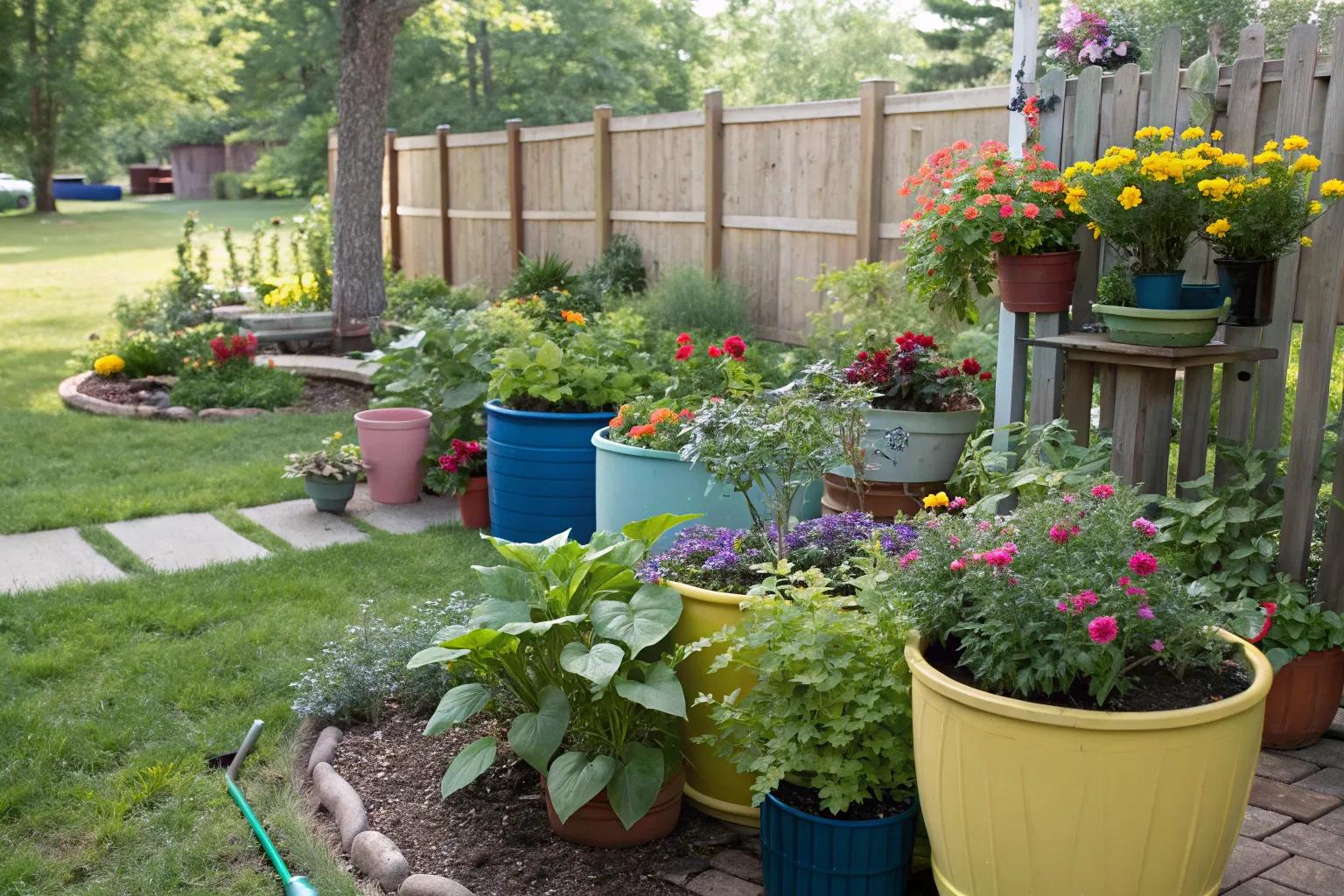
Across the United States, container gardening offers a practical way to grow herbs, vegetables, flowers, and small fruit plants on patios, balconies, porches, and in backyards. You do not need a large yard or a full set of garden tools to get started. A few well-chosen supplies can help you grow fresh food and colorful plants in a small space.
The most useful supplies are those that meet a plant’s basic needs. Roots need room, moisture, air, and nutrients. Leaves need suitable light, and the container must allow excess water to escape. The right setup can vary with local weather, from hot summers in the Southwest to cool springs in the Northeast and humid conditions in the Southeast.
This guide explains what to use for container gardening, how to choose each item, and which supplies you can skip at first. It also covers drainage, watering, soil choices, fertilizer, and common problems so you can spend less on gear and more time helping your plants grow.
Source: minispacegarden.com
What Supplies Do You Need for Container Gardening?
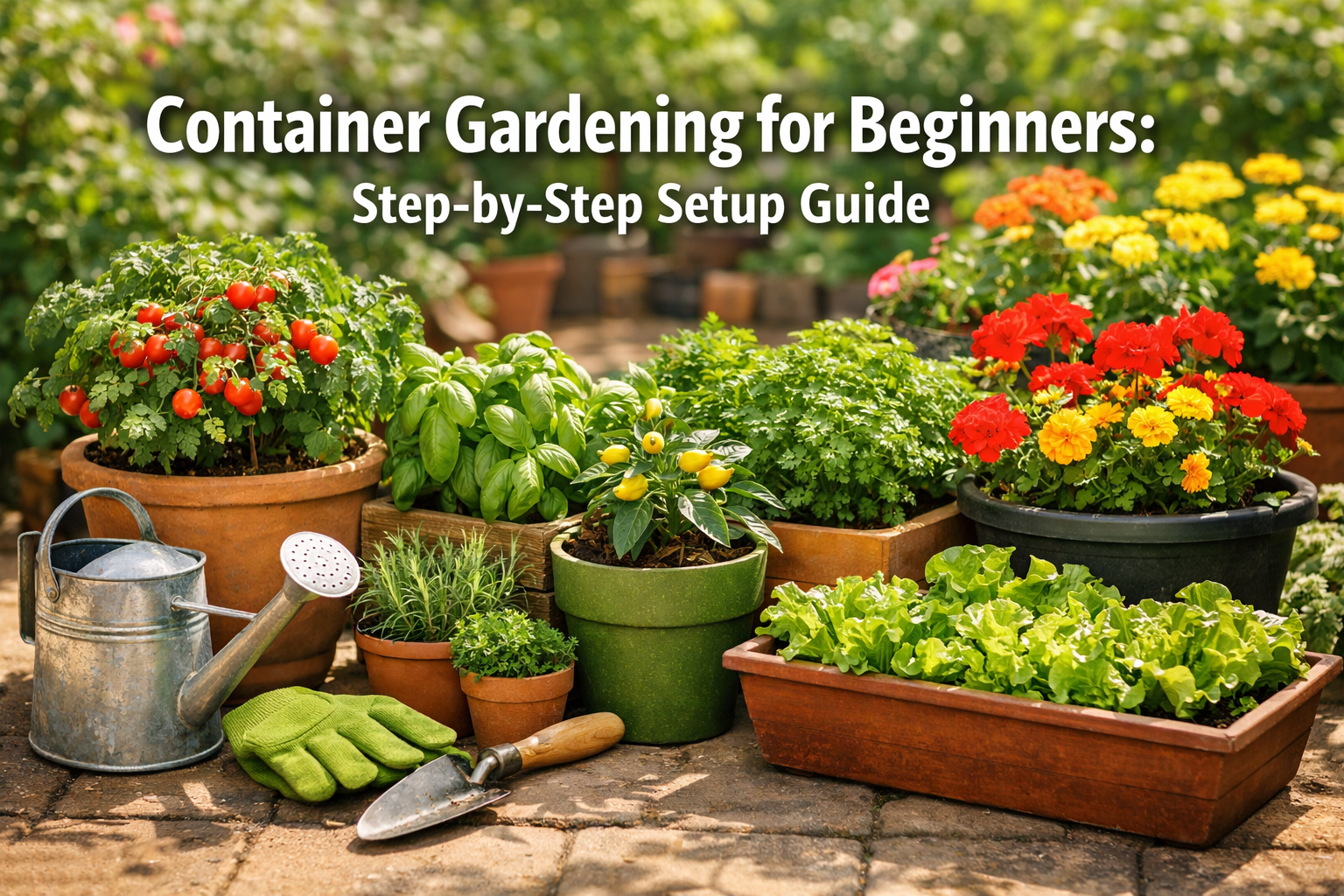
The basic container garden setup needs a suitable pot, container potting mix, seeds or young plants, water, and access to the right amount of sunlight. Fertilizer may also be needed, depending on the mix and the length of the growing season. A watering can, hand trowel, and gloves make routine care easier, but you can begin without buying a large tool kit.
Each supply has a clear purpose. The pot supports the roots, the mix holds moisture and air, water keeps plant tissues working, and nutrients support new growth. Good light lets plants make the energy they need. If one part of this system fails, adding more products often will not solve the real problem.
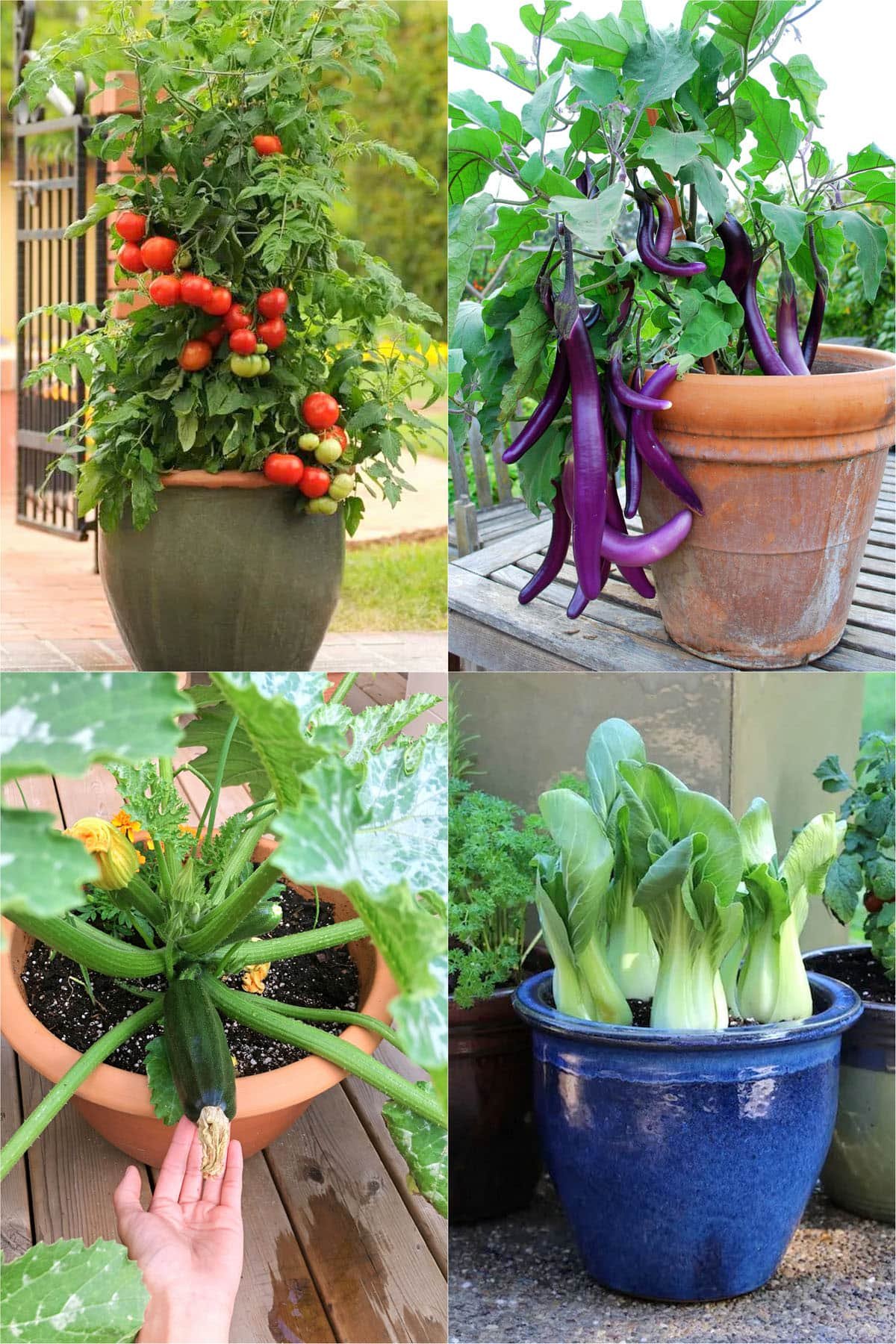
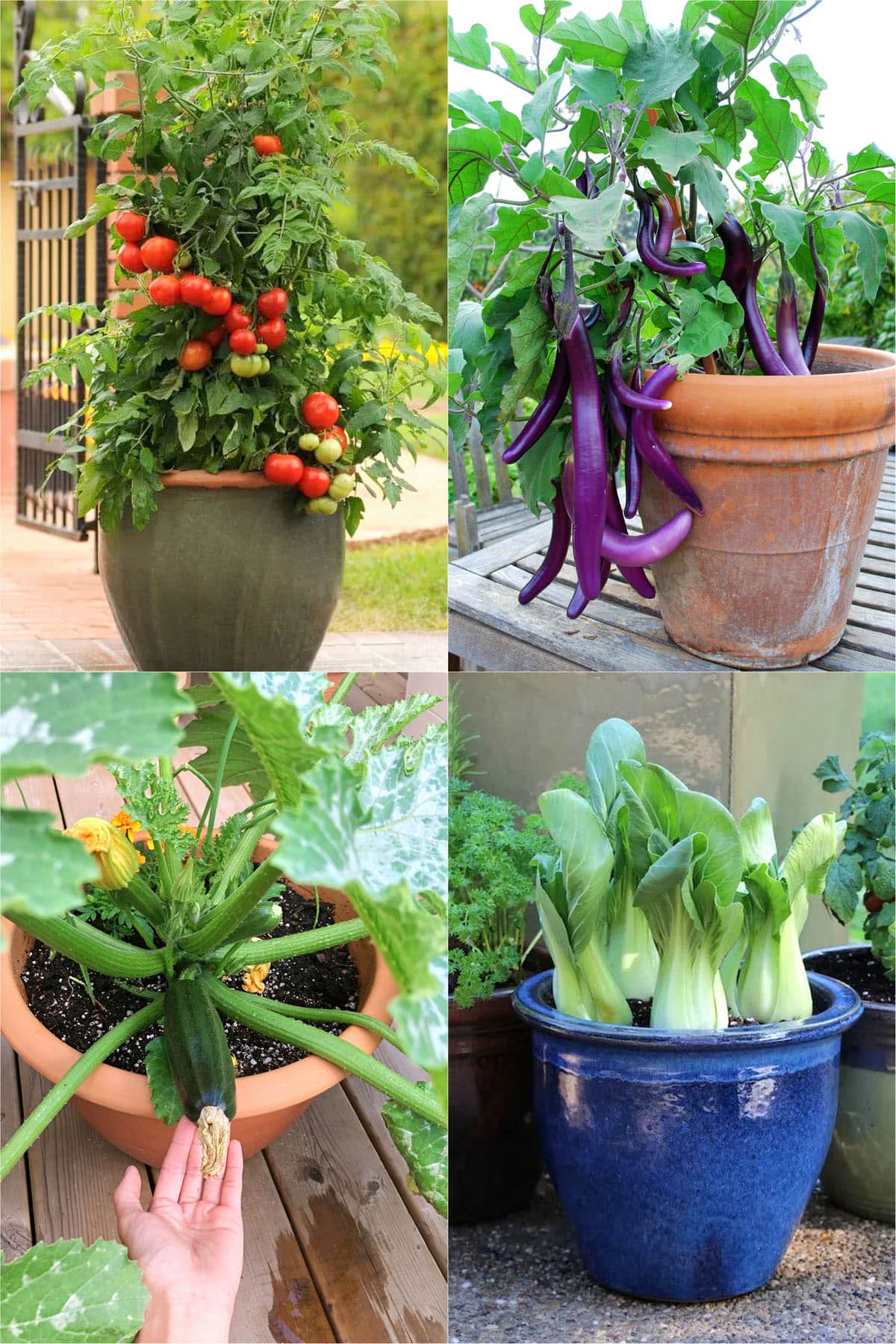
For a first garden, start with one or two plants that suit your space. Basil, lettuce, compact flowers, and many leafy greens can work well in suitable containers. Larger crops, such as full-size tomatoes, cucumbers, and peppers, need more room and closer attention to water and nutrients.
Source: assets.grooveapps.com
Container
Choose a stable pot, planter, or grow bag with drainage holes and adequate root space.
Potting mix
Use a commercial container mix or a suitable homemade blend designed to hold moisture while letting air reach roots.
Plants or seeds
Select crops suited to your available light, container size, climate, and gardening experience.
Watering supplies
Keep clean water available and use a watering can, hose with a gentle nozzle, or another controlled watering method.
Plant nutrients
Use an appropriate fertilizer when the potting mix and crop require additional nutrients.
Which Supplies Should Beginners Buy First?
Buy the container, potting mix, and plant first. Check the available sunlight before choosing the plant, and confirm that the container has enough drainage. These choices affect plant health more than decorative labels, special watering gadgets, or a large collection of tools.
A small hand trowel and a watering can with a gentle spout are useful additions. Gloves can protect hands from rough materials and dirt. If you are growing edible crops, use containers and materials intended for gardening or food production, and follow any product instructions about safe use.
Start small
A single planter is easier to water and monitor than a large collection of pots.
Check your location
Measure the light and consider wind, rain, heat, and access to water before setting up.
How to Choose the Right Container
The best container gives roots enough room, drains excess water, and suits the plant’s weight and growing conditions. A pot does not have to be expensive or decorative to work well. Its size, material, drainage, and stability matter more than its appearance.
Small pots dry out faster than large pots because they hold less growing mix. A large container can buffer changes in moisture, but it also weighs more when filled and watered. Choose a size that accommodates the plant at maturity instead of relying only on the size of a seedling at purchase.
For a balcony or roof deck, check the site’s load limits before adding large, water-filled planters. Use stable containers in windy areas, and avoid placing heavy pots where they could fall or block a walkway. If a building has rules for balconies, follow them before installing planters.
Source: hello-hayley.com
Plastic pots
Lightweight and often affordable, plastic containers retain moisture longer than many porous pots. Dark plastic may heat up in strong sun, so monitor root-zone temperatures and watering needs.
Terracotta pots
Unglazed clay allows moisture to escape through its walls. This can suit some plants, but the mix may dry faster, especially in hot or windy weather.
Fabric grow bags
These containers allow air to pass through the sides and are easy to store when empty. They can dry quickly and may need more frequent watering.
Wooden planters
Wood can provide insulation and a natural look. Use durable, appropriately treated materials, and make sure the design drains well.
Glazed ceramic pots
Glazed pots often lose less moisture through their walls than unglazed clay. Check that the pot has drainage holes and can safely support its filled weight.
How Deep and Wide Should a Container Be?
Container depth and width depend on the crop, root system, and number of plants. Shallow-rooted herbs and many leafy greens can grow in relatively shallow planters, while tomatoes and other large fruiting crops usually need deeper, roomier containers. Follow the seed packet or plant label for spacing and growing recommendations.
Do not crowd several mature plants into one small pot. Overcrowding increases competition for water, light, root space, and nutrients. A wider container may hold several compatible small plants, but the total planting area must still meet their needs.
Leafy greens
Choose a planter with enough depth for the variety and sufficient surface area for spacing.
Tomatoes and peppers
Use a sturdy, larger container suited to the specific variety and its mature root system.
Herbs
Many herbs grow well in individual pots or shared planters when their water and light needs are compatible.
Why Drainage Holes Matter
Drainage holes let extra water leave the pot, helping prevent roots from remaining waterlogged. Without adequate drainage, air can be pushed out of the growing mix, which may damage roots and encourage root rot. A container with no drainage is usually a poor choice for a plant’s main growing pot.
If you prefer a decorative cachepot without holes, keep the plant in a separate draining nursery pot and remove excess water from the outer container after watering. Do not leave the roots sitting in collected water. Check drainage before planting, and use a saucer only when you can empty it as needed.
Check before filling
Confirm that holes are open and large enough for water to escape.
Avoid gravel layers
A layer of gravel at the bottom does not replace drainage holes and can leave the saturated zone closer to the roots.
What Soil Is Best for Container Gardening?
Use a potting mix labeled for containers, not ordinary soil dug from the yard. Garden soil can become dense in a pot, limiting air movement and drainage. It may also carry weed seeds or organisms that cause plant disease.
A good container mix balances moisture retention, drainage, and air space. Many commercial mixes contain materials such as peat moss or coir to retain moisture, along with bark, perlite, or similar components that help maintain structure. Exact ingredients vary, so read the package rather than assuming every product has the same properties.
A mix that drains well can still hold useful moisture between waterings. The aim is not to make the pot dry out as fast as possible. Roots need both water and oxygen, and the right balance depends on the crop, pot size, weather, and how often you can water.
Source: farminghydroponics.com
Commercial potting mix
A convenient starting choice for most container vegetables, flowers, and herbs. Choose a mix labeled for the intended plants.
Coir-based mix
Coconut coir can retain moisture and provide a growing medium when properly prepared and blended for containers.
Peat-based mix
Peat is used in many mixes to hold water. Consider the product’s ingredients and environmental preferences when selecting a blend.
Perlite or similar aeration material
These materials can improve air space and drainage when used in a suitable mix. Follow a tested recipe rather than adding them at random.
Can You Use Garden Soil or Compost in Pots?
Garden soil alone is generally unsuitable for container growing because its structure can change in a confined pot. Compost can add organic matter and nutrients, but pure compost may hold too much water or contain nutrient levels that are not suitable for every crop. It is usually better as one component of a balanced container mix.
If you make your own blend, use ingredients intended for horticultural use and a reliable recipe suited to your plants. A homemade mix should stay loose enough for roots to breathe while holding water between checks. Avoid using soil collected from contaminated sites or areas treated with products that may harm edible plants.
Do not fill pots with yard soil alone
Its texture and drainage may be unsuitable for confined roots.
Use compost in moderation
Choose mature, suitable compost and combine it with a container medium when appropriate.
Check the label
Some mixes contain starter fertilizer, while others do not. This affects later feeding decisions.
Should You Reuse Potting Mix?
Used potting mix may sometimes be reused, but first consider the previous crop’s health, the mix’s structure, and the type of plant you plan to grow. Discard mix associated with serious root disease, persistent pest problems, or suspected contamination. Old mix that has broken down or become compacted may no longer provide enough air space.
For healthy old mix, remove roots and debris, assess its texture, and refresh it with suitable new material and nutrients as needed. Do not assume that adding fertilizer will repair poor drainage or disease problems. For a new crop, a fresh mix is often the simpler option.
Reuse selectively
Keep only mix from healthy plants when its structure remains suitable.
Restore structure
Replace mix that has become dense or broken down rather than trying to fix every problem with additives.
Which Plants Work Best in Containers?
Choose plants that fit the container, sunlight, local climate, and amount of care you can provide. A compact variety is often easier to manage than a large plant bred for an open garden. Read the seed packet or nursery label for mature size, spacing, and light requirements before you buy.
In the United States, local growing conditions can vary widely. A gardener in Florida may face heat, humidity, and heavy rain, while a gardener in Minnesota may have a short outdoor growing season. In dry Western areas, water conservation and heat exposure may guide plant and container choices.
Many herbs and leafy greens are useful beginner crops because they can fit smaller spaces. Fruiting crops may also work well, but they often need more sunlight, root room, and regular feeding. Choose a few plants with similar needs when sharing a container.
Source: apieceofrainbow.com
Herbs
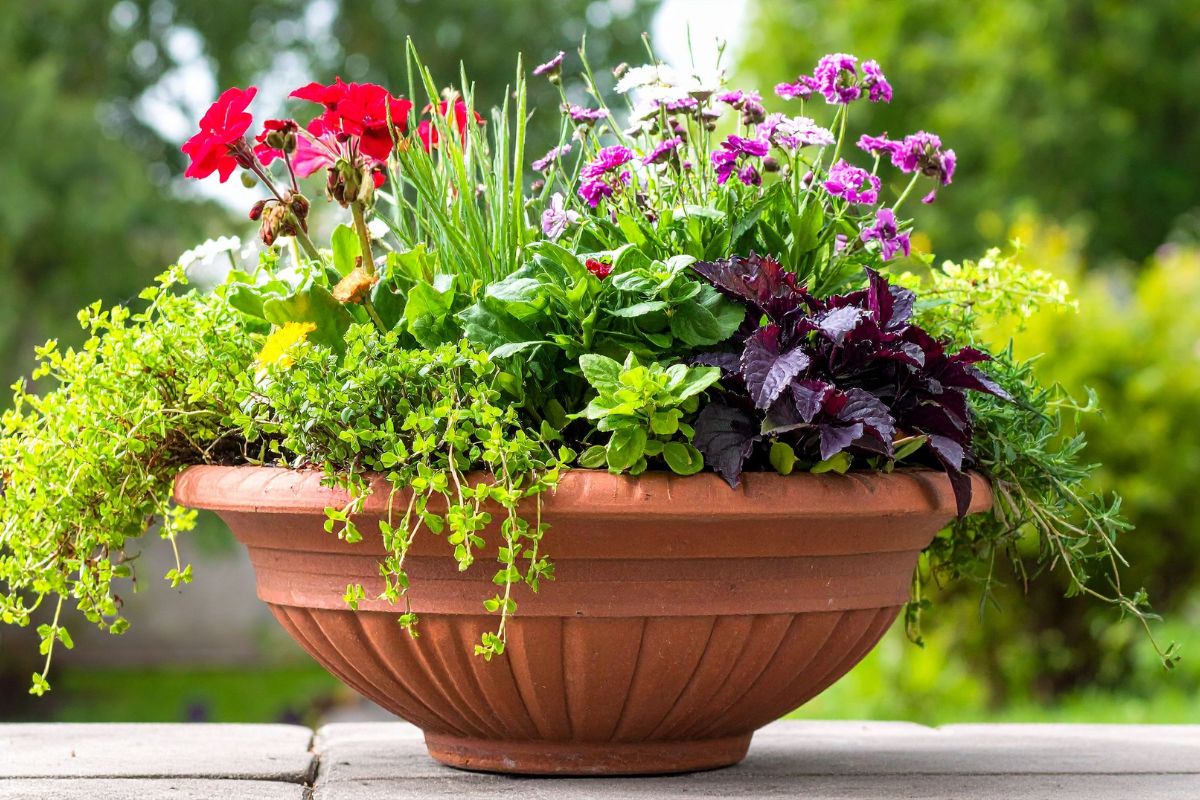
Basil, parsley, chives, and other suitable herbs can grow in pots. Match watering needs when combining species.
Leafy greens
Lettuce and some other greens can grow in planters with suitable depth, light, and moisture.
Compact tomatoes
Patio and determinate varieties can suit larger containers when their support, sunlight, and water needs are met.
Peppers
Many pepper varieties grow in containers with adequate warmth, sunlight, root room, and consistent moisture.
Flowers
Choose annuals or other container-suitable plants according to sunlight, temperature, and desired growth habit.
What to Use for Container Vegetable Gardening
For container vegetables, use a sturdy pot, quality potting mix, a variety suited to pots, and a reliable watering method. Fruiting vegetables such as tomatoes and peppers often need more room and nutrients than small herbs. Leafy crops may be easier in shallow or medium-depth planters, depending on the variety.
Use stakes, cages, or trellises when the selected crop needs support. Secure supports so they do not tip the container, and place climbing plants where they will not block paths or create a hazard. Check the mature size before combining vegetables in the same planter.
For tomatoes
Use a large, stable container and a support suited to the variety.
For lettuce
Use a broad planter with enough depth and keep the mix evenly moist without leaving it waterlogged.
For climbing crops
Provide a secure trellis and enough container space for both roots and plant growth.
How Much Sunlight Do Container Plants Need?
Light needs depend on the species and variety. Many fruiting vegetables grow best with several hours of direct sunlight each day, while some leafy greens and shade-tolerant ornamentals can grow with less. Check plant labels and observe how sunlight moves across the proposed location.
A sunny patio may become very hot near a wall or reflective surface. In warm weather, leaves can wilt from heat or rapid water loss even when the plant receives enough light. Move pots when practical, provide appropriate afternoon shade for sensitive plants, and check moisture more often during heat waves.
Track sunlight
Observe the location during the day before choosing plants.
Watch heat
Consider reflected heat, dark pot surfaces, and hot pavement in summer.
What Fertilizer Should You Use for Container Gardening?
Use a fertilizer suited to the plant and the potting mix, and follow the product label. Plants in containers depend on a limited amount of growing medium, and nutrients may be used by plants or washed out during watering. However, more fertilizer does not mean faster or healthier growth.
Some potting mixes contain starter nutrients or slow-release fertilizer. Other mixes contain little or no added nutrition. Read the package before feeding, because applying more fertilizer than needed can harm roots, damage leaves, and contribute to nutrient runoff.
A complete fertilizer may provide nitrogen, phosphorus, potassium, and other nutrients in amounts suited to the product’s purpose. The best formulation depends on the crop and growing stage. Follow the label for dosage, timing, dilution, and any restrictions on use with edible plants.
Source: urbaki.com
Slow-release fertilizer
Releases nutrients over time under conditions that depend on the product. It may reduce how often you need to feed, but the label’s duration and rate still matter.
Water-soluble fertilizer
Dissolves in water and can provide nutrients during watering. Apply at the labeled concentration and frequency.
Organic fertilizer
Products derived from organic materials can supply nutrients, but their release rate and nutrient content vary. Organic does not mean suitable at any dose.
How Can You Tell When a Plant Needs Nutrients?
Slow growth, pale leaves, or poor flowering can indicate a nutrient issue, but these signs are not proof of fertilizer deficiency. Low light, damaged roots, unsuitable watering, pests, and temperature stress can cause similar symptoms. Check growing conditions before adding nutrients.
If the plant is in a suitable mix and other causes seem unlikely, review the fertilizer label and the plant’s feeding needs. Do not repeatedly add fertilizer in response to every yellow leaf. Some leaf loss is normal as plants age, and excess nutrients can create new problems.
Check water first
Overwatering and underwatering can both cause yellowing and weak growth.
Check light and roots
Confirm that the plant has suitable light and that roots are not crowded, damaged, or waterlogged.
Feed carefully
Use a product labeled for the plant and growing method, and never exceed the stated rate.
Watering Supplies and Methods for Potted Plants
A watering can with a gentle spout is enough for a small container garden. For several large pots, a hose with a gentle nozzle or a properly designed drip irrigation system may save time. Choose a method that lets water reach the growing mix without washing it out or damaging delicate stems.
Water when the mix and plant need it, not simply because a fixed time has arrived. Container moisture changes with pot size, material, weather, plant size, and exposure to wind and sun. Check the mix with a finger or another suitable moisture check, and learn how quickly each pot dries.
When watering by hand, apply water across the surface until excess begins to drain from the holes. This helps wet the root zone more evenly. Empty standing water from saucers or decorative outer pots so roots do not sit in it for long periods.
Source: urbaki.com
Watering can
Useful for small gardens and indoor containers because it offers control over where water goes.
Hose nozzle
A gentle setting helps water larger outdoor planters without displacing potting mix.
Drip irrigation
Can deliver water near roots and reduce daily effort when set up and checked correctly.
Moisture meter
May help with checks, but readings depend on the tool and growing medium. Do not rely on it without observing the plant and mix.
How Often Should You Water Container Plants?
There is no single watering schedule for every container. A small pot in full summer sun may dry much faster than a large pot in a sheltered spot. Check the root zone regularly and adjust the amount and frequency as the weather changes.
If the mix is dry and the plant shows signs of thirst, water thoroughly. If it remains wet for long periods, check drainage, pot size, and how often you water. Wilting alone does not always mean the plant needs water, because waterlogged roots may also fail to supply leaves properly.
Dry mix
Check below the surface, then water as appropriate for the plant.
Persistently wet mix
Check drainage and reduce unnecessary watering rather than adding more water.
Hot or windy weather
Inspect pots more often because moisture loss may rise quickly.
Can You Use Self-Watering Containers?
Self-watering containers can reduce how often you need to add water by storing water in a reservoir and drawing it into the growing mix. They may suit people who travel briefly or have several planters to maintain. They still need monitoring, and their design must match the plant’s moisture needs.
Keep the reservoir filled according to the maker’s instructions, but do not assume that every plant benefits from constant moisture. Some herbs and other plants prefer a mix that dries slightly between waterings. Clean the system when needed and check that roots remain healthy.
Choose the right crop
Use self-watering systems for plants suited to their moisture pattern.
Inspect regularly
Check the reservoir, root health, and mix instead of relying only on the water indicator.
Essential Tools and Optional Container Gardening Accessories
A small set of hand tools is enough for most beginner container gardens. Choose tools that fit your tasks, feel comfortable in your hands, and can be cleaned and stored safely. Large garden machines are rarely needed for a few pots.
Buy optional accessories only when they solve a real problem. Supports can prevent tall plants from falling over, plant labels help you track varieties, and trays can protect surfaces when used correctly. Decorative items should not block drainage or make containers unstable.
Source: garden.eco
Hand trowel
Useful for filling pots, transplanting seedlings, and moving small amounts of mix.
Pruning snips
Help remove dead leaves and harvest herbs. Keep blades clean and store them safely.
Gardening gloves
Protect hands from rough surfaces and some common irritants. Wash hands after handling growing media and fertilizers.
Plant labels
Help identify varieties and record planting dates, especially when starting from seed.
Plant supports
Stakes, cages, and trellises support crops that grow tall or climb.
Saucers and trays
Catch drips when appropriate, but empty standing water and avoid using them as a substitute for drainage.
Do You Need Landscape Fabric, Gravel, or Special Drainage Products?
Most container gardens do not need a layer of landscape fabric or gravel at the bottom of the pot. These materials do not replace open drainage holes, and a gravel layer can raise the saturated zone rather than improve root conditions. A suitable potting mix and an unobstructed outlet are more useful.
If a drainage hole is large enough for mix to escape, use a suitable mesh or pot screen that does not seal the opening. Do not pack the bottom of a pot with dense material or cover the holes with an object that prevents water from flowing out.
Skip unnecessary layers
Fill the pot with suitable container mix rather than adding a thick gravel base.
Keep holes clear
Use a screen only if needed to retain mix while allowing free drainage.
How to Set Up a Container Garden Step by Step
Set up a container garden by choosing the location, checking the pot, adding the right mix, planting at the proper depth, and watering thoroughly. Work in that order so you do not need to move a heavy planter or replace unsuitable materials after planting. Keep the first setup simple and adjust it as you learn how the plants respond.
Source: static01.nyt.com
Step 1: Pick the location
Check sunlight, wind, rain exposure, access to water, and safe placement. Confirm balcony or deck limits before using heavy containers.
Step 2: Choose the container
Match the pot size to the plant and confirm that drainage holes are open.
Step 3: Add potting mix
Fill the pot with suitable container mix, leaving enough room for the plant and for watering.
Step 4: Plant correctly
Follow the seed packet or plant label for planting depth and spacing. Avoid burying stems that should remain above the mix.
Step 5: Water thoroughly
Moisten the root zone and let excess water drain. Empty standing water from the saucer or outer pot.
Step 6: Monitor and maintain
Check moisture, light, pests, plant growth, and nutrient needs. Adjust care as the plant grows and weather changes.
How Do You Know the Setup Is Working?
A suitable setup allows water to drain, keeps the plant upright, and supports steady new growth. Leaves should generally look firm for the species, and the mix should not remain saturated for long periods. Some initial transplant stress can occur, so judge progress over several days rather than expecting instant growth.
If the plant struggles, check the basics in a consistent order: moisture, drainage, light, temperature, pests, and nutrients. Correct the most likely cause before changing several things at once. This makes it easier to see which adjustment helps.
Healthy drainage
Water exits the pot and does not collect around the roots.
Steady growth
New leaves or shoots develop at a pace appropriate for the species and season.
Stable moisture
The mix dries at a reasonable rate for the crop and local conditions.
Common Container Gardening Problems and How to Fix Them
Most container gardening problems come from a mismatch between the plant and its growing conditions. Too much water, too little water, poor drainage, unsuitable light, and limited root space are common issues. Check the growing setup before buying a treatment or adding more fertilizer.
Source: apieceofrainbow.com
Leaves turn yellow
Check whether the mix is too wet or too dry, then review light, root health, nutrient needs, and normal leaf aging. Do not assume fertilizer is the answer.
Plants wilt
Check the mix below the surface. Dry mix may need water, while wet mix may indicate root stress or poor drainage.
Water runs straight through
Very dry or shrunken mix may repel water at first. Apply water slowly in stages and check whether the root zone becomes evenly moist.
Plants grow tall and weak
Insufficient light can cause stretched growth. Move the container to a more suitable location if the species allows.
Roots emerge from holes
This can indicate that roots have reached the drainage openings. Check overall root crowding and plant vigor before deciding whether to repot.
White crust forms on the mix or pot
Salt buildup from fertilizer or water may be responsible. Review feeding practices and water quality, and consider replacing the mix if buildup is severe.
How Can You Prevent Root Rot?
Prevent root rot by using a container with open drainage holes, a suitable potting mix, and a watering routine matched to the plant. Do not let pots sit in standing water, and avoid using a container that is much larger than the root system without a clear reason. A very large volume of wet mix can dry slowly around a small root ball.
If roots are dark, soft, or foul-smelling, inspect the plant and growing medium. Severe damage may not be reversible, especially when disease is involved. Remove severely affected material responsibly, clean reusable pots, and use fresh suitable mix when replanting a healthy plant.
Prevent excess water
Check the moisture level rather than watering automatically.
Maintain drainage
Keep holes clear and use a mix designed for container growing.
Avoid unnecessary fertilizer
Excess fertilizer can injure roots and add soluble salts to the mix.
A Simple Container Gardening Supply Checklist
Use this checklist to buy only what your garden needs. The exact quantities depend on the number and size of containers, the plants you choose, and the growing mix’s package instructions. Measure your pots before buying bulk materials so you do not purchase much more than you can use.
Source: hello-hayley.com
Essential
A draining container, suitable potting mix, seeds or healthy plants, and access to clean water.
Useful for routine care
A watering can or gentle hose nozzle, a small trowel, and plant labels.
Needed for some plants
Fertilizer, stakes, cages, trellises, or larger containers based on crop requirements.
Check the volume printed on the container and compare it with the volume listed on the potting mix bag. A rectangular planter’s approximate volume can be estimated by multiplying its internal length, width, and fill depth, using the same units. A round pot can be estimated using the volume of a cylinder, although tapered pots hold less than a straight-sided cylinder with the same top width.
For a rough example, a planter with internal dimensions of 12 inches long, 8 inches wide, and 8 inches of fill depth holds about 768 cubic inches before allowing for the plant and any shape differences. Divide cubic inches by 1,728 to estimate cubic feet. The result is about 0.44 cubic feet, so a bag’s labeled volume can help you judge how many planters it will fill.
Measure internal dimensions
Use the space that will actually hold growing mix, not the planter’s outer dimensions.
Allow for pot shape
Tapered pots and rounded bases hold less mix than simple rectangular calculations suggest.
Safety and Environmental Considerations
Handle potting mix, fertilizers, and gardening tools according to their labels. Avoid breathing dust from dry growing media, moisten dusty material gently when practical, and wash your hands after gardening. Store fertilizers and other garden products away from children and pets, in their original labeled containers.
Choose containers that are suitable for their intended use, especially when growing food. Avoid vessels that may have held fuel, pesticides, or unknown chemicals. Do not assume that a container is safe for edible crops merely because it can hold water or soil.
Manage water runoff where possible, especially on balconies and paved areas. Use only the amount of fertilizer the plant needs and prevent nutrient-rich water from draining into storm drains. In regions with water restrictions, consider mulch suited to containers, efficient watering methods, and plants that fit the local climate.
If a container will sit on a balcony, roof, or elevated deck, consider the weight of the pot, growing medium, mature plant, and retained water. Use secure supports and follow property rules. Seek qualified guidance when structural load capacity is uncertain.
Source: farminghydroponics.com
Protect yourself
Follow package safety instructions, avoid unnecessary dust exposure, and clean tools after use.
Protect edible crops
Use appropriate containers and growing materials, and follow label instructions for any product applied to food plants.
Use water wisely
Water the root zone carefully and avoid unnecessary runoff.
Place pots safely
Keep containers stable and respect the weight limits and rules of balconies and decks.
Research-Informed Next Questions and Coverage Priorities
The most useful follow-up decisions concern container size, potting mix, drainage, watering, nutrients, and crop choice. These needs follow directly from the main task: selecting supplies that work together. The answers below prioritize practical decisions that can prevent wasted money and common growing problems.
The question map in this section is an editorial planning assessment based on the needs implied by container gardening, not a report of verified search volume or a live search-results analysis. No claim is made that a particular question is trending or that every competing page omits it. The recommendations are grounded in established container-growing principles and the conditions described throughout this guide.
Source: minispacegarden.com
Before planting: What size pot should I use?
Basis: inferred next need. Reader benefit: helps prevent crowding, excess weight, and rapid drying. Priority: high. Placement: container selection section.
Before planting: Can I use garden soil?
Basis: inferred next need. Reader benefit: prevents unsuitable mix texture and poor drainage. Priority: high. Placement: potting mix section.
During care: How often should I water?
Basis: inferred next need. Reader benefit: reduces both drought stress and overwatering. Priority: high. Placement: watering section.
During care: Does my potting mix need fertilizer?
Basis: inferred next need. Reader benefit: prevents unnecessary feeding and nutrient deficiency. Priority: high. Placement: fertilizer section.
After problems appear: Why are my leaves yellow?
Basis: inferred next need. Reader benefit: encourages diagnosis before treatment. Priority: high. Placement: troubleshooting section.
Research Scope and Evidence Limits
This article presents general gardening guidance and practical calculations. It does not claim first-hand testing of specific products, independent laboratory results, or a review of current product prices. Product performance can vary with the exact formulation, container design, climate, and care routine.
The image URLs and credits used in this article were supplied in the assignment. They are included as provided assets, not as evidence that the associated pages were independently reviewed. Before publishing, an editor should verify image rights, confirm that each image displays correctly, and review any local gardening recommendations against suitable university extension or other authoritative horticultural guidance.
Documented general principles
Container plants need suitable root space, moisture, oxygen, light, and nutrients.
Practical analysis
The supply checklist and volume example apply standard geometric calculations to a common gardening task.
Not established here
Current search rankings, search demand, product comparisons, exact regional planting dates, and hands-on product performance have not been independently verified for this article.
Frequently Asked Questions
Q
What is the most important thing to use for container gardening?
The most important supplies are a suitable container with drainage holes and a quality potting mix designed for containers. Choose a plant that fits the available space and light, then provide the right water and nutrients. These basics matter more than decorative accessories.
Q
Can I use regular potting soil for container gardening?
Use a mix labeled for container plants rather than ordinary garden soil. Container mixes are designed to balance moisture retention and air space in a confined root zone. Garden soil can become dense in pots and may drain poorly.
Q
Do all container plants need fertilizer?
Not all plants need immediate feeding. Some potting mixes already contain starter or slow-release fertilizer, while others contain little added nutrition. Read the mix label, consider the plant’s needs, and follow the fertilizer label if feeding is required.
Q
Do container pots need holes in the bottom?
Yes, most pots used as the main growing container should have drainage holes. These allow excess water to escape and help maintain air around the roots. If you use a decorative pot without holes, keep the plant in a draining inner pot and remove collected water.
Q
Can I grow vegetables in buckets or recycled containers?
Some buckets and recycled containers can work if they are clean, sturdy, large enough, and fitted with suitable drainage. Do not use containers that held fuel, pesticides, or unknown chemicals. For edible crops, choose materials suitable for gardening and follow any product safety guidance.
Q
How often should I water a container garden?
Watering frequency depends on the plant, pot size, mix, temperature, sunlight, and wind. Check the growing medium regularly instead of following a fixed schedule. Water when the plant needs it, allow excess water to drain, and avoid leaving roots in standing water.
Q
Can I use gravel at the bottom of a container to improve drainage?
A gravel layer does not replace drainage holes and can leave the saturated zone closer to the roots. Use a suitable container mix and keep the drainage openings clear. If mix escapes through a large hole, use a screen that still allows water to flow freely.
✦ Wrapping Up
Conclusion
The best supplies for container gardening are simple: a suitable draining pot, quality potting mix, plants matched to the space, clean water, and fertilizer when needed. A few basic tools can make care easier, but you do not need every accessory sold for gardening. Choose each item for a clear purpose and the needs of your plants.
Start with one or two containers, learn how quickly the mix dries, and watch how your plants respond to sunlight and weather. Adjust watering, feeding, and placement as needed. A well-planned small garden can grow herbs, greens, flowers, and other crops without requiring a large yard or a costly setup.
💡 Key Takeaway
Before buying supplies, choose your plant and growing location. Then select a container with enough root space and drainage, buy a suitable potting mix, and gather a watering can and small trowel. Read product labels, water according to soil moisture, and add fertilizer only when the plant and mix need it.
Learn how to sterilize gardening tools with safe cleaning methods, effective disinfectants, step-by-step instructions, and tips to prevent plant diseases.