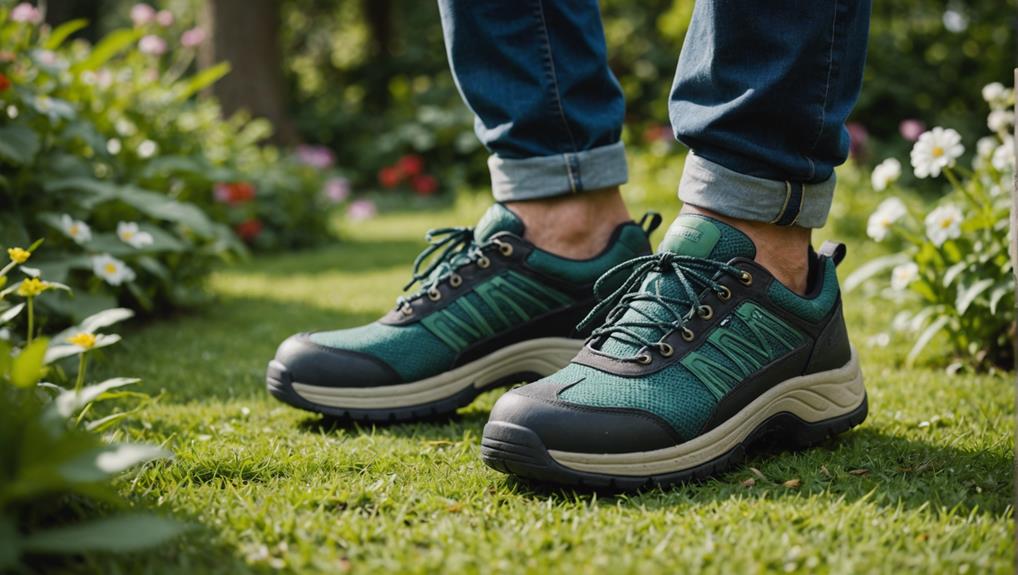
The best shoes for gardening are waterproof garden clogs, rubber boots, or sturdy outdoor shoes with good grip, depending on your tasks and ground conditions. Choose closed toes, a secure fit, and soles that resist slipping. For digging, thorny plants, wet soil, or heavy yard work, wear protective footwear that covers your feet and ankles.
Across the United States, gardening conditions vary from wet spring lawns in the Pacific Northwest to hot, dry vegetable beds in Arizona and clay soil in the Southeast. The right footwear should match your local weather, soil, and garden tasks. A shoe that works well for watering patio pots may offer too little protection for digging in rocky ground or clearing thorny brush.
When choosing what shoes to wear for gardening, focus on grip, protection, comfort, and ease of cleaning. Waterproof materials help when you work with wet soil, while breathable uppers can feel better during hot summer days. A supportive fit also matters because gardening often involves standing, walking, kneeling, and carrying tools for long periods.
There is no single shoe that suits every gardener. Lightweight clogs are handy for quick jobs near the house, while mid-calf rubber boots may be more useful in muddy beds. For demanding tasks, sturdy work boots with protective features can provide more support and coverage than ordinary garden shoes.
Source: shoppingonchampagne.com
What Shoes Are Best for Gardening?
The best gardening shoes depend on how much protection you need and how wet or rough your garden gets. For most home gardeners, closed-toe garden clogs, waterproof rubber boots, and sturdy walking or work shoes cover the main needs. Each type has a different balance of comfort, grip, coverage, and ease of cleaning.
Before buying a pair, think about the jobs you do most often. Watering containers, pulling weeds, digging planting holes, and hauling compost place different demands on your feet. Matching your shoes to these tasks helps you avoid discomfort and reduces exposure to common garden hazards.
Source: storage.googleapis.com
Garden clogs
Choose closed-toe clogs with a secure heel strap and a treaded sole for quick watering, light weeding, and routine work on fairly even ground. Their open backs make them easy to remove, but loose designs may slip off in mud.
Rubber gardening boots
Use waterproof rubber boots for muddy beds, wet grass, irrigation work, and puddles. Tall boots cover more of your lower legs, although they can feel hot and heavy in warm weather.
Waterproof garden shoes
Low-cut waterproof shoes suit gardeners who need protection from damp soil without the height of a boot. Look for a secure fit and an outsole designed for outdoor traction.
Hiking or outdoor shoes
Sturdy outdoor shoes can work well on firm paths, raised beds, and sloping yards. Their tread may provide useful traction, but ordinary hiking shoes are not necessarily waterproof or designed to resist punctures.
Work boots
Choose sturdy work boots for heavy digging, moving stone, handling lumber, or working with heavy equipment. If crushing or puncture hazards are present, select footwear with protective features suited to those specific risks.
Are Gardening Clogs Better Than Boots?
Gardening clogs are often more convenient for short jobs, while boots provide better coverage in wet or muddy conditions. Clogs are easy to rinse and remove, but low backs and loose fits can allow dirt or water to enter. Boots cover more of the foot and lower leg, although they may be less comfortable in high heat.
If your garden has deep mud, thorny growth, or frequent standing water, choose boots that cover the exposed area. For a dry patio garden with containers, closed-toe clogs may be enough. The best option is the one that provides suitable protection without making your regular tasks harder.
Choose clogs for convenience
They suit quick, low-risk jobs and frequent trips between the house and garden.
Choose boots for coverage
They suit wet soil, muddy paths, and tasks that may expose your lower legs to splashes or debris.
How to Choose Gardening Shoes for Different Tasks
Start with the most demanding task you perform regularly, not just the easiest job. A pair that feels fine while watering may lack the protection needed for digging, pruning, or moving heavy pots. If you do several types of work, choose footwear that covers the main hazards, or keep separate pairs for different conditions.
The following comparison links common garden jobs to practical footwear choices. These are general recommendations, not guarantees of protection; the actual shoe design and the hazards in your garden still matter.
Source: www.nbcnews.com
Watering plants and tending containers
Closed-toe clogs or washable garden shoes are practical when the ground is mostly firm and the main challenge is splashing water.
Weeding and planting
Wear closed-toe shoes with a firm sole and a secure fit. Use waterproof footwear when soil is wet or muddy.
Digging and turning soil
Choose sturdy shoes or boots with a firm, supportive sole and adequate toe protection. Avoid thin-soled shoes that provide little separation from rocks or hard ground.
Pruning roses and thorny shrubs
Wear closed shoes or boots that cover your feet and suit the risk of falling thorns. For dense brush, consider more protective clothing and purpose-designed work boots.
Moving compost, stones, or heavy pots
Use sturdy footwear with a stable base. If heavy objects could fall on your toes, consider work boots with an appropriate protective toe cap.
Mowing and using powered garden tools
Follow the equipment manufacturer’s footwear instructions. Wear sturdy, closed-toe shoes and any additional protective footwear required for the task. Sandals and loose clogs are unsuitable around powered cutting equipment.
Footwear for Raised Beds and Container Gardens
Raised-bed gardeners often work on narrow paths and step between planting areas. Shoes with a secure fit and stable sole can help maintain balance when reaching, carrying a watering can, or moving soil. If your beds are close to a patio or deck, choose a sole that grips both the garden path and the hard surface.
Container gardeners may need less coverage when working on a clean, dry balcony. Even so, closed-toe shoes are a sensible choice when handling heavy pots, ceramic planters, or sharp hand tools. Keep footwear suited to the surface, especially when water collects on smooth tiles.
For narrow paths
Choose a secure shoe that stays on your foot when stepping sideways or turning.
For patios and decks
Look for an outsole that grips smooth surfaces when damp, and remove soil that could make the surface slippery.
Footwear for Digging and Heavy Yard Work
Digging puts pressure on the foot, particularly when you use a shovel or spade. A firm sole helps distribute that pressure, while a secure upper keeps the shoe from shifting. Avoid using lightweight house slippers or flexible sandals for these jobs.
If a tool could strike or crush your toes, ordinary gardening shoes may not provide enough protection. Work boots with protective toe caps can reduce certain impact and compression risks when selected for the actual task. They do not eliminate all injury risks, so safe tool handling remains essential.
Check sole firmness
The shoe should feel stable under your foot rather than bending or twisting too easily during demanding work.
Check the toe area
Choose suitable protective features when handling heavy materials or working where objects could fall.
Important Features to Look for in Gardening Shoes
Good gardening footwear should protect your feet without creating new problems, such as blisters, poor balance, or trapped moisture. Start with the sole, toe coverage, fit, and resistance to water. Then consider weight, breathability, and how easily the shoes can be cleaned.
Marketing terms such as garden-ready, rugged, and all-weather do not guarantee a shoe will suit your needs. Check the actual materials, construction, closure, and care instructions before deciding.
Source: oprahdaily.com
Traction
Look for a treaded outsole that grips the surfaces you use most. Deep grooves may help shed mud, but no sole is slip-proof on every wet or slick surface.
Water resistance
Waterproof rubber or suitable waterproof membranes help keep feet dry in wet conditions. Water-resistant fabric may handle splashes but can allow water through during prolonged exposure.
Toe protection
Closed toes help shield feet from small stones, soil clumps, and minor bumps. Heavy-duty jobs may call for footwear with a protective toe cap.
Comfort and support
Choose a shoe that fits securely, allows natural toe movement, and feels stable during standing and walking. Arch support needs differ from person to person.
Breathability
Mesh or breathable fabric can improve airflow during hot, dry work. These materials usually provide less water protection than fully waterproof designs.
Easy cleaning
Smooth rubber and washable synthetic materials are often easy to rinse. Follow the care label, since hot water or strong cleaning agents can damage some materials.
Secure closure
Laces, well-fitted uppers, or heel straps help keep footwear in place. Loose slip-ons can shift when you walk over uneven ground or climb out of soft soil.
Why Slip-Resistant Soles Matter
Gardens contain many surfaces that can become slippery, including wet grass, muddy paths, algae-covered paving, and damp wooden decks. A suitable outsole can improve grip, but traction depends on the tread, material, surface, and amount of mud or water present. Even footwear labeled slip-resistant can lose grip under some conditions.
Before starting work, inspect the path for loose stones, wet leaves, and standing water. Walk carefully on slopes, avoid sudden turns on muddy ground, and clean packed soil from the tread when needed. If a surface remains slick, change the route or postpone the task rather than relying on shoes alone.
Inspect the tread
Replace footwear when the sole is badly worn, cracked, or no longer provides useful grip.
Match the surface
Choose footwear based on whether you mainly walk on grass, soil, gravel, concrete, or wet decking.
How Much Support Do Gardening Shoes Need?
The amount of support you need depends on your foot shape, the time spent standing, the terrain, and any existing foot concerns. A secure heel, adequate cushioning, and enough room across the toes are useful starting points. If you already use prescribed orthotics, check that the shoe can accommodate them without crowding your foot.
A shoe does not need to feel rigid to be supportive. It should remain stable during ordinary garden movements and should not pinch, rub, or cause numbness. If discomfort continues despite changing footwear, consult a qualified health professional for advice suited to your needs.
Check the fit late in the day
Feet may swell during prolonged activity, so trying shoes when your feet are at their usual working size can help reveal pressure points.
Test with garden socks
Wear the socks you plan to use outdoors when checking fit and heel movement.
How Weather and Climate Affect Your Choice
Your local climate can change which gardening shoes feel comfortable and work well. In the United States, the same footwear may suit rainy spring conditions in Washington but feel too hot during a summer afternoon in Texas. Consider temperature, rainfall, humidity, and the amount of time you spend outdoors.
Instead of buying one pair for every condition, consider whether a main pair plus a seasonal alternative would be more practical. For many home gardeners, a washable everyday shoe and a waterproof boot provide useful coverage across different seasons.
Source: perfectfitliving.com
Hot and dry climates
Choose lightweight, breathable, closed-toe shoes for routine work. Keep water protection available for irrigation tasks or sudden storms.
Rainy regions
Waterproof shoes or rubber boots can help keep feet dry in wet beds and muddy yards. Make sure the outsole grips your usual paths.
Cold weather
Insulated waterproof boots and suitable socks can help retain warmth. Avoid footwear that becomes tight when you add thicker socks.
Humid summers
Breathable materials may feel more comfortable during long jobs. Dry your footwear fully after use to reduce lingering moisture.
Frosty or icy conditions
Use caution because ordinary gardening tread may not grip ice. Delay unnecessary work when paths are icy, or use footwear designed for the conditions.
Should Gardening Shoes Be Waterproof?
Waterproof gardening shoes are useful when you work in wet soil, water plants often, or walk through damp grass. Rubber boots offer a simple barrier against water, while waterproof outdoor shoes may provide a lighter and more flexible option. The best choice depends on how deep the water or mud gets and how long your feet remain exposed.
Waterproofing can also reduce airflow, which may make feet feel hot during long summer sessions. For dry weather and light work, breathable footwear may be more comfortable. If your shoes get soaked, remove the insoles if the care instructions allow it, and let everything dry before wearing them again.
Choose full waterproofing
Use it for frequent contact with mud, water, and wet vegetation.
Choose breathable materials
Use them for dry paths and warm-weather tasks when water exposure is limited.
How to Find the Right Fit
A comfortable gardening shoe should hold your heel securely, leave room for your toes, and stay stable as you walk. A shoe that is too tight can rub or create pressure, while a shoe that is too loose may slide around or come off in soft ground. Do not assume that a larger size will solve every fit problem.
Try shoes with the socks you normally wear for gardening. Walk, turn, and bend your knees as you would when working in the yard. If you feel pinching, heel slippage, or pressure across the top of the foot, try another size or shape.
Source: www.cnn.com
Allow toe room
Your toes should move freely without striking the front when you walk downhill or bend your knees.
Check heel movement
A small amount of movement may occur in some designs, but the heel should not lift so much that the shoe feels unstable.
Consider width
Choose a width that fits the ball of your foot without squeezing it or allowing excessive side-to-side movement.
Check the insole
Make sure it lies flat and does not bunch up. If you use orthotics, test them inside the shoe before buying.
Test the sole
Walk on a safe, dry surface and check that the shoe feels stable and bends where your foot naturally flexes.
What If Gardening Shoes Cause Blisters?
Blisters often develop when footwear rubs against the skin, especially during long periods of walking or when socks remain damp. A poor fit, rough seams, or moisture trapped inside a waterproof shoe can increase friction. Stop and check the source of rubbing rather than continuing until the skin breaks.
Try a better-fitting shoe, suitable moisture-managing socks, and shorter sessions while adjusting to new footwear. Keep broken skin clean and protected. Seek medical advice if a wound becomes increasingly red, warm, swollen, or painful, or if you have a condition that makes foot wounds harder to manage.
Check the rubbing point
Look for pressure from seams, loose heels, tight toe boxes, or wrinkles in the socks.
Keep feet dry
Change damp socks and let shoes dry fully between sessions.
Gardening Shoes for Older Adults and People With Foot Concerns
Gardeners who need extra stability should prioritize a secure fit, a broad and stable base, and soles suited to their paths. Shoes that are easy to put on can be helpful, but ease of entry should not come at the cost of a loose heel or poor traction. A lightweight design may also reduce effort when walking between beds.
People with diabetes, reduced sensation, circulation problems, recurring foot wounds, or significant foot pain may need more specific footwear guidance. Because a small injury can have greater consequences in these situations, choose footwear that protects the entire foot and follow advice from a qualified health professional who understands your needs.
Source: gardengrowthguru.com
For easier access
Look for a wide opening, simple closures, and a design that can be secured without excessive bending or hand strain.
For greater stability
Choose a shoe that stays on securely and feels steady when you turn or step across uneven ground.
For sensitive feet
Look for a roomy toe box, smooth interior, and suitable cushioning. Check your feet for pressure marks after gardening.
For balance concerns
Avoid loose slippers and footwear that shifts underfoot. Keep paths clear and consider a qualified assessment if falls or near-falls occur.
Are Slip-On Garden Shoes Safe?
Slip-on shoes can be suitable for light gardening if they fit securely and have closed toes and useful tread. However, some styles have loose heels or narrow openings that make them hard to fit properly. On uneven ground, footwear that moves independently of the foot can affect stability.
If you have balance problems, reduced sensation, or difficulty lifting your feet, choose a design that stays firmly in place. A secure heel strap or adjustable closure may be a better option than a loose clog. If you are unsure which features you need, ask a qualified health professional for individualized advice.
Check security
Walk and turn on a safe surface to see whether the shoe shifts or slips off.
Avoid loose footwear
Do not use shoes that make you shuffle or catch your toes on the ground.
Common Gardening Footwear Mistakes to Avoid
The wrong shoes can make routine gardening uncomfortable and expose your feet to avoidable hazards. Many problems come from choosing footwear based only on appearance, price, or convenience rather than the work being done. A quick check before starting can help you spot issues early.
Use the following list to assess whether your current shoes are suitable for your garden. Replace them or change footwear when the design, fit, or condition no longer matches the task.
Source: thecottagepeach.com
Wearing open-toe sandals for digging
Exposed toes can be struck by tools, stones, and falling objects. Use closed-toe footwear for digging and handling garden equipment.
Using smooth-soled shoes on wet ground
Poor tread can increase the risk of slipping on mud, grass, and damp paving. Choose a sole suited to the surface and avoid hazardous routes.
Assuming every rubber boot is supportive
Rubber boots vary in fit, weight, and sole design. Try them with your usual socks and check that they feel stable during walking.
Buying shoes that are too tight
Tight shoes can create pressure and friction during long sessions. Check toe room, width, and fit with the socks you plan to wear.
Wearing wet shoes all day
Damp footwear can cause discomfort and encourage skin irritation. Dry shoes and socks between tasks when possible.
Ignoring worn soles
Worn tread and damaged materials can reduce grip and protection. Inspect shoes regularly and replace them when they no longer perform as needed.
Using ordinary garden shoes for hazardous machinery
Light clogs and casual shoes may not provide the protection required for powered equipment. Follow the equipment instructions and use suitable protective footwear.
How to Tell When Gardening Shoes Need Replacing
Replace gardening shoes when the outsole becomes smooth, the sole separates from the upper, or cracks allow water and debris to enter. Other warning signs include broken straps, loose closures, damaged toe protection, and cushioning that no longer feels stable. A shoe can look clean and still be too worn for demanding work.
Check the inside as well as the outside. A rough seam, torn lining, or collapsed insole can create friction and discomfort. If the shoe no longer fits securely or feels unstable on familiar paths, move to a better-fitting pair.
Inspect before use
Look at the tread, seams, closures, and interior for damage.
Replace based on condition
Use visible wear and reduced performance as your guide rather than relying only on how long you have owned the shoes.
How to Clean and Maintain Gardening Shoes
Cleaning your gardening shoes after use helps prevent mud buildup, keeps the tread clear, and makes it easier to spot damage. The best cleaning method depends on the material, so check the manufacturer’s care instructions before using soap, a brush, or a cleaning solution.
Most routine care is simple. Remove loose dirt outdoors, rinse washable materials when appropriate, and let the shoes dry completely before storing them. Avoid placing footwear near intense heat unless the manufacturer specifically allows it, since high temperatures can damage rubber, adhesives, and synthetic materials.
Source: gardenerhow.com
Remove mud
Use a soft brush or a suitable tool to clear packed soil from the outsole and seams.
Wash as directed
Use mild soap and water when permitted. Avoid harsh chemicals that may weaken the material.
Dry thoroughly
Air-dry shoes in a well-ventilated area. Remove insoles only when the design and care instructions allow it.
Store properly
Keep shoes in a dry place away from direct heat and prolonged sunlight that may damage some materials.
Check for damage
Inspect soles, uppers, straps, and linings before the next gardening session.
Can You Wash Gardening Shoes in a Washing Machine?
Some fabric garden shoes may be machine washable, but rubber boots, leather shoes, and many waterproof designs should not be washed that way unless the manufacturer permits it. Machine washing can loosen adhesives, deform materials, or damage waterproof treatments. Check the care label rather than assuming all washable-looking shoes can go in the washer.
When machine washing is allowed, follow the recommended cycle and drying instructions. Otherwise, clean the shoes by hand with a brush, mild soap, and water if suitable for the material. Let them dry fully before storage.
Follow the care label
Use the manufacturer’s cleaning method for the exact shoe model.
Avoid excessive heat
Air-dry most gardening footwear unless the instructions specify another safe method.
Frequently Asked Questions
Q
What shoes should beginners wear for gardening?
Beginners can start with closed-toe garden shoes or clogs that fit securely and have a treaded sole. If the garden is often wet, choose waterproof footwear. For digging, handling sharp tools, or moving heavy materials, use sturdier shoes or work boots suited to the hazards.
Q
Can I wear sneakers while gardening?
Yes, sturdy sneakers can work for light gardening on firm, dry ground. They should fit well, have useful traction, and provide enough toe coverage for the task. Ordinary sneakers may become soaked or muddy and may not offer enough protection for digging, thorny plants, or heavy yard work.
Q
Are Crocs or similar clogs good for gardening?
Clogs can be convenient for watering, light weeding, and container gardening when the ground is fairly even. Choose a secure fit, use a heel strap when available, and check the tread. Loose clogs are not a good choice for heavy digging, sharp tools, or work around powered equipment.
Q
Should gardening shoes cover the ankles?
Ankle coverage is not necessary for every garden task. Low-cut shoes may suit watering and light planting, while taller boots offer more coverage in mud, wet vegetation, and areas with thorny growth. Choose the height that matches the exposure and hazards in your garden.
Q
Are waterproof gardening shoes worth it?
Waterproof gardening shoes are useful if you work in wet soil, walk through damp grass, or water plants frequently. They can keep feet drier, but some designs trap more heat than breathable shoes. If your garden is usually dry, a washable, breathable pair may be more comfortable for routine jobs.
Q
Can I garden barefoot?
Gardening barefoot is not recommended for routine yard work because soil can hide sharp stones, thorns, glass, insects, and tools. Bare feet also lack protection when objects fall or when you use a shovel. Closed-toe footwear is a safer choice for most gardening tasks.
Q
What socks should I wear with gardening shoes?
Choose socks that fit smoothly and manage moisture for your climate and activity. Lightweight socks may suit warm weather, while thicker socks can add warmth in cold conditions. Make sure the socks do not make your shoes too tight, and change them if they become wet.
✦ Wrapping Up
Conclusion
The best answer to what shoes to wear for gardening depends on your tasks, weather, and garden surface. Closed-toe clogs are handy for quick jobs, waterproof boots suit muddy conditions, and sturdy work boots provide more protection for heavy tasks. Whatever style you choose, prioritize a secure fit, useful traction, and enough coverage for the hazards you face.
You do not always need expensive or specialized footwear to garden comfortably. Start by checking the shoes you already own, then identify any gaps in grip, water resistance, support, or toe protection. If your usual garden work changes with the seasons, keeping a second pair for wet or demanding conditions can be a practical option.
💡 Key Takeaway
Before your next gardening session, check the ground conditions and tools you will use. Put on closed-toe shoes with a secure fit and suitable tread, choose waterproof boots for mud, and reserve protective work boots for tasks with greater impact or puncture hazards.