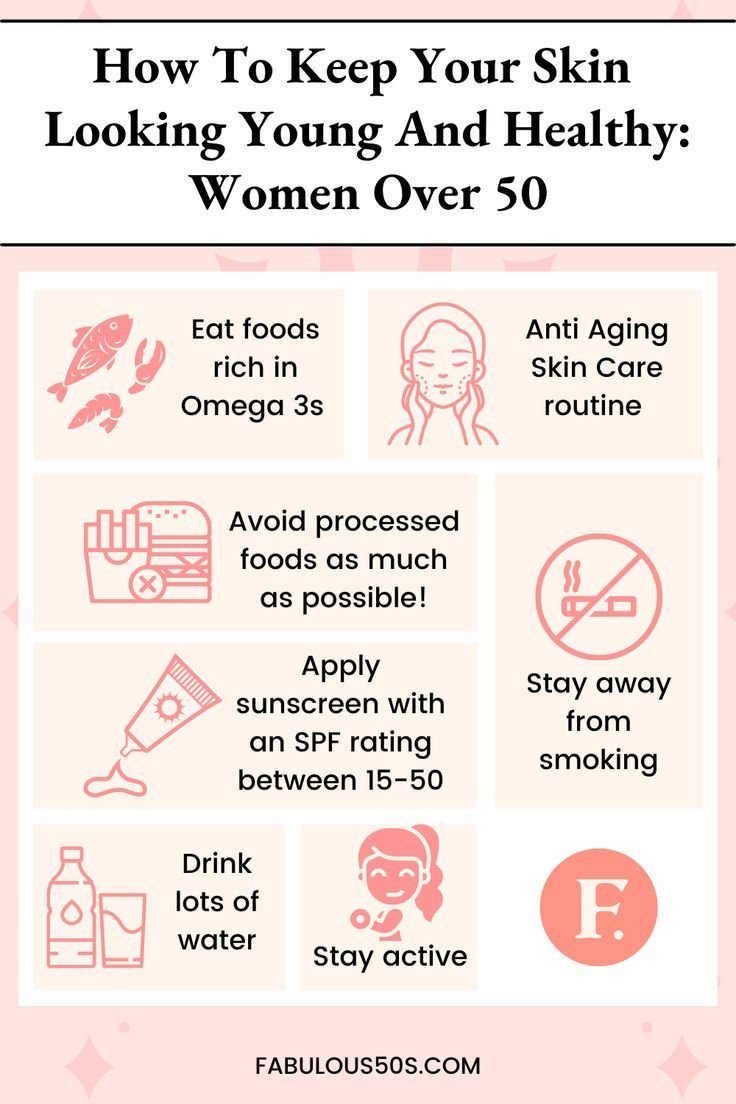
The best way to keep skin looking young after 50 is to use broad-spectrum SPF 30 or higher sunscreen every day, wash with a gentle cleanser, apply a good moisturizer, and consider proven ingredients such as retinol. Healthy food, enough sleep, regular exercise, and avoiding smoking also support healthy skin. These steps cannot stop aging, but they can help reduce preventable damage and keep skin softer, smoother, and more comfortable.
Across the United States, many adults over 50 want skin care that fits real life. Busy workdays, retirement, family duties, dry indoor air, and long hours in the sun can all affect the skin. Some people notice fine lines, dark spots, or a rough feel. Others find that their skin feels tight, dry, or less firm than it did years ago. These changes are common, and a simple daily routine can help address many of them.
Skin changes with age because the body makes less collagen and elastin, which help skin stay firm and flexible. Oil production may also decline, while years of exposure to sunlight can add wrinkles, uneven color, and rough patches. Genetics, hormones, medicines, and health conditions can affect the pace of these changes. No cream can restore skin to its exact state at age 20, but steady care can improve its look and feel.
The most useful plan starts with sun protection and moisture. Once those basics are in place, an ingredient such as retinol may help with fine lines and uneven tone if the skin can tolerate it. A routine does not need many products or a high price tag. The goal is to protect the skin barrier, limit new damage, and make changes that are easy to keep up over time.
Source: editiontime.com
Understand How Skin Changes After 50
Skin after 50 often needs more moisture and gentler care. Natural changes can make the outer layer less effective at holding water, while lower levels of collagen and elastin can contribute to fine lines and reduced firmness. The skin may also become thinner, more fragile, or slower to recover from irritation. These changes vary widely from one person to another.
Sun exposure is one of the main preventable causes of visible skin aging. Ultraviolet radiation can damage skin cells and the structures that support firmness. Over time, this damage may lead to wrinkles, uneven color, rough texture, and age spots. Past exposure matters, but daily protection can still help limit further harm.
Hormonal changes can also affect skin. During and after menopause, lower estrogen levels may contribute to dryness and changes in skin thickness and elasticity. Men and women may experience different patterns of aging, but everyone can benefit from gentle cleansing, moisture, and sun protection. The best routine is one that matches the skin’s current needs rather than trying to follow a fixed age-based formula.
Source: artofit.org
Dryness
Skin may feel tight, flaky, or rough because it loses moisture more easily. A fragrance-free moisturizer can help reduce water loss.
Fine lines and wrinkles
Natural aging, repeated facial movement, and sun damage can all contribute to lines. Sunscreen and selected skin care ingredients may soften their appearance.
Uneven skin tone
Sun exposure and aging can contribute to brown spots and blotchy color. Daily sunscreen helps prevent further darkening, while suitable treatments may gradually improve some spots.
Greater sensitivity
A weaker skin barrier can make strong fragrances, acids, and rough scrubs harder to tolerate. Gentle products are often a better starting point.
Know What Skin Care Can and Cannot Do
Skin care can improve hydration, soften the look of fine lines, and help some forms of uneven pigmentation. Sunscreen can reduce additional ultraviolet damage, while retinoids may improve certain signs of photoaging with regular use. Results are usually gradual and depend on the product, the condition being treated, and how consistently it is used.
Creams cannot fully remove deep folds, replace lost facial volume, or recreate the skin structure of younger adulthood. Be cautious of products that promise instant lifting, permanent wrinkle removal, or dramatic results in a few days. A realistic goal is healthy, comfortable skin that looks cared for at every age.
Build a Simple Morning Skin Care Routine
A good morning routine protects the skin from sunlight, reduces dryness, and creates a comfortable base for the day. You do not need a long list of products. A gentle cleanser, moisturizer, and broad-spectrum sunscreen form a practical starting point for most adults over 50.
Apply products in a sensible order, moving from lighter products to thicker creams and finishing with sunscreen. If your skin is very dry, you may not need a cleanser every morning; rinsing with lukewarm water may be enough. Adjust the routine based on comfort, climate, and advice from a health professional.
Source: organixx.com
Step 1: Cleanse gently
Use a mild, fragrance-free cleanser with lukewarm water. Avoid hot water, rough washcloths, and harsh soaps that leave your face feeling tight.
Step 2: Apply optional antioxidant care
A vitamin C serum may help improve the appearance of uneven tone and provide antioxidant support. It is optional, and people with sensitive skin should introduce it cautiously.
Step 3: Moisturize
Choose a cream or lotion suited to your skin. Ingredients such as glycerin, ceramides, and hyaluronic acid can help attract or retain water and support the skin barrier.
Step 4: Use sunscreen
Apply broad-spectrum SPF 30 or higher sunscreen to exposed skin. Cover the face, ears, neck, and other uncovered areas, and follow the label for the correct amount and reapplication.
Choose Sunscreen You Will Use Every Day
Broad-spectrum sunscreen protects against both UVA and UVB rays. UVA contributes to premature skin aging, while UVB is a major cause of sunburn. Choose SPF 30 or higher and select a formula that feels comfortable on your skin so that you are more likely to use it consistently.
Apply sunscreen before going outdoors, following the product directions. Reapply at least every two hours while outdoors and after swimming, sweating, or towel drying, as directed on the label. A water-resistant formula can be useful for outdoor activity, but no sunscreen is waterproof or sweatproof.
Sunscreen is only one part of sun safety. Seek shade when possible, wear a broad-brimmed hat, and use sunglasses and protective clothing. These steps matter even when you already use sunscreen, particularly during long outdoor activities.
For dry skin
Try a moisturizing cream sunscreen that helps reduce the feeling of tightness.
For oily or combination skin
A lightweight lotion or gel may feel less heavy. Look for a formula labeled noncomedogenic if clogged pores are a concern.
For sensitive skin
Consider fragrance-free products. Some people with sensitive skin prefer mineral sunscreens containing zinc oxide or titanium dioxide.
Follow a Gentle Evening Routine
An evening routine removes sunscreen, makeup, sweat, and daily grime while helping the skin retain moisture overnight. Wash with a gentle cleanser, pat the skin dry, and apply moisturizer. If you use a treatment product, introduce it carefully rather than adding several new ingredients at once.
The skin does not need to sting, burn, or peel to benefit from a product. Persistent irritation can weaken the skin barrier and make redness and dryness worse. Start with a small routine, watch how your skin responds, and change one product at a time.
Source: www.youtube.com, Senior Health Secrets
Remove sunscreen and makeup
Use a mild cleanser that removes the day’s products without leaving the skin stripped or sore. If needed, use a gentle makeup remover first.
Apply a targeted treatment
If appropriate, use a retinol product or another treatment according to its directions. Avoid applying strong treatments to broken, inflamed, or severely dry skin.
Seal in moisture
Apply a moisturizer after cleansing. A richer cream may be useful on dry cheeks, around the mouth, or on other areas that feel tight.
Use Retinol Carefully
Retinol is a form of vitamin A used in skin care. It may help improve fine lines, uneven texture, and some signs of sun damage by affecting skin cell turnover and collagen-related processes. Results take time, and the strength of evidence and effect can vary by formulation and the problem being treated.
Start with a low-strength product used a small number of evenings each week. Apply a small amount to dry skin, then increase use only if your skin tolerates it. Follow the product label and use moisturizer to reduce dryness. Do not apply retinol close to the eyes or lips unless the product is intended for those areas.
Retinol can cause redness, peeling, dryness, or burning, especially at the start. Stop using it if you develop marked irritation, swelling, or a rash, and seek medical advice if symptoms persist. People with eczema, rosacea, or a damaged skin barrier may need guidance before trying it. Topical retinoids should generally be avoided during pregnancy or when trying to become pregnant; ask a clinician about your specific product and circumstances.
Begin slowly
Use the product less often than the maximum label frequency at first if your skin is sensitive.
Do not stack strong treatments
Adding retinol, exfoliating acids, and other irritating products at once can increase the chance of skin damage.
Be patient
Visible changes may take several weeks or longer. Stop if irritation is persistent rather than forcing your skin to adapt.
When a Retinoid Is Not the Right First Step
If your skin is already red, cracked, very dry, or painful, focus on gentle cleansing and moisturizing first. A dermatologist can help identify the cause and decide whether a retinoid is suitable. Prescription retinoids and over-the-counter retinol products differ in strength, evidence, and potential side effects, so they should not be treated as interchangeable.
Choose Moisturizers That Support Mature Skin
Moisturizer is one of the most useful products for dry or mature skin. It helps reduce water loss, softens rough areas, and supports the outer skin barrier. Regular use may make fine lines caused by dryness look less noticeable, although it will not erase deeper wrinkles.
You do not need an expensive cream to get these benefits. A basic fragrance-free moisturizer with suitable ingredients can work well. The best choice is one that feels comfortable, does not cause a rash, and is easy to apply every day.
Source: inspiremystyle.com
Glycerin
This humectant attracts water and helps increase skin hydration.
Ceramides
These skin lipids help support the barrier that keeps moisture in and irritants out.
Hyaluronic acid
This ingredient binds water and can temporarily plump the look of dehydrated skin.
Petrolatum
This occlusive ingredient reduces water loss and can be useful for very dry areas when tolerated.
Apply Moisturizer at the Right Time
Apply moisturizer soon after washing, while the skin is still slightly damp. This helps hold water in the outer layer. Use enough product to cover the skin comfortably without rubbing hard or stretching delicate areas.
If your face feels dry again soon after moisturizing, try a thicker cream or apply a small additional amount to the driest areas. If a product causes itching, burning, or a new rash, stop using it and check the ingredients. Fragrance-free products are often easier for sensitive skin to tolerate, although no ingredient is guaranteed to suit everyone.
Eat for Healthy Skin After 50
A balanced diet supplies nutrients that the skin needs for normal repair and function. Food will not erase wrinkles, but a varied eating pattern can support overall health and help prevent nutrient deficiencies. Aim for regular meals that include protein, colorful produce, whole grains, and sources of healthy fats.
In the United States, adults can use the general principles in the Dietary Guidelines for Americans to build balanced meals. Individual needs vary with health, activity, medications, and dietary restrictions. If you have a condition that affects your diet, ask a qualified health professional for advice that fits your needs.
Source: carekees.com
Eat enough protein
Eggs, fish, beans, lentils, poultry, tofu, yogurt, and other protein foods provide amino acids used throughout the body, including in skin structure and repair.
Choose fruits and vegetables
Produce supplies vitamin C and other nutrients involved in normal tissue function. Citrus fruits, berries, peppers, leafy greens, and broccoli are useful choices.
Include healthy fats
Nuts, seeds, olive oil, and oily fish can help provide essential fats as part of a balanced diet.
Drink enough fluids
Drink water regularly and adjust intake for heat, activity, and medical advice. Drinking more water than your body needs will not by itself remove wrinkles.
Do Skin Supplements Really Help?
Collagen powders, biotin, vitamin E, and other supplements are often promoted for younger-looking skin. Evidence differs by ingredient and product, and findings from small or short studies do not prove that every supplement works. Some collagen studies report modest improvements in hydration or elasticity, but results may not apply to every formulation or person.
A supplement is not a substitute for sunscreen, a balanced diet, or medical care. High doses of certain vitamins can cause harm or interact with medicines. Biotin can also interfere with some laboratory tests. Before taking a supplement for skin, discuss the product and dose with a clinician or pharmacist, especially if you take prescription medicine or have a long-term health condition.
Improve Sleep, Exercise, and Daily Habits
Healthy daily habits support the body and can help skin look less tired. Sleep gives the body time for normal maintenance and recovery, while exercise supports general health and circulation. These habits cannot stop natural aging, but they complement a sensible skin care routine.
Adults generally benefit from seven to nine hours of sleep each night, although individual needs vary. Keep a regular sleep schedule, make your room comfortable, and limit late-day caffeine if it affects your rest. If you have ongoing sleep problems or severe daytime fatigue, speak with a health professional rather than relying on skin products to hide the effects.
Source: www.youtube.com, Beyond50Skin
Move regularly
Walking, cycling, swimming, strength training, and other suitable activities support overall health. Follow your ability and medical advice, especially if you have balance problems or chronic illness.
Avoid smoking
Smoking contributes to premature wrinkles and harms blood vessels and other tissues. Quitting benefits health at any age; a clinician or a smoking cessation service can help.
Limit alcohol if you drink
Alcohol can affect sleep and may contribute to dehydration in some circumstances. Less alcohol may help some people feel better overall, but it is not a stand-alone wrinkle treatment.
Manage stress
Long periods of stress can affect sleep and may aggravate some skin conditions. Relaxation, time outdoors with sun protection, social connection, and enjoyable activities can support well-being.
Avoid Habits That Make Skin Look Older
Tanning beds and deliberate tanning expose skin to ultraviolet radiation and increase the risk of skin cancer. A tan is not a sign of healthy skin. If you want a tanned appearance, a sunless tanning product avoids the need for ultraviolet exposure, but it does not protect against the sun.
Avoid smoking, repeated sunburn, harsh scrubbing, and frequent use of products that cause inflammation. Do not pick at spots or blemishes, since this can lead to infection, scarring, or dark marks. Gentle, regular care is more useful than a harsh routine that repeatedly damages the skin barrier.
Address Wrinkles, Dark Spots, and Uneven Texture
Different skin concerns need different approaches. Dryness may improve with moisturizer, while fine lines may respond to sunscreen and a well-tolerated retinoid. Dark spots need careful assessment because age-related pigmentation, sun damage, and some skin cancers can look similar.
Do not assume that every new brown spot is harmless. If a spot changes in size, shape, or color, has an irregular edge, bleeds, itches persistently, or looks different from your other spots, arrange a skin examination. A sore that does not heal also deserves medical attention.
Source: preventivemedicinedaily.com
For fine lines
Use daily sunscreen and moisturizer. If suitable, introduce a retinol product slowly and allow several weeks or longer to assess results.
For dark spots
Protect the skin from sunlight first. A dermatologist may suggest an ingredient such as azelaic acid or another treatment after determining the likely cause.
For rough texture
Avoid aggressive scrubs. A gentle routine may help, but persistent rough or scaly patches should be checked, especially on sun-exposed areas.
For redness or stinging
Stop new irritating products and return to gentle cleansing and moisturizing. Seek medical advice if symptoms continue or worsen.
When to Consider Professional Treatments
A dermatologist can assess whether prescription creams, chemical peels, laser procedures, or other treatments are suitable. Each option has different benefits, costs, recovery times, and risks. Some procedures can cause burns, scarring, infection, or changes in skin color, particularly when the treatment is not matched to the person’s skin type and medical history.
Ask about the practitioner’s qualifications, the expected number of sessions, possible side effects, recovery needs, and the likelihood of improvement. Discuss medicines, previous skin reactions, and any history of abnormal scarring before treatment. Avoid unlicensed providers and products that promise to remove every wrinkle without risk.
Create a Skin Care Plan You Can Maintain
The best skin care routine is one you can follow without stress or unnecessary expense. Start with the basics and add only one new product at a time. This makes it easier to spot the cause if a rash, breakout, or irritation occurs.
Take a photo of your skin in consistent lighting before starting a new routine. Repeat the photo after several weeks or months rather than judging results each day. Look for practical signs of progress, such as less tightness, fewer dry flakes, improved comfort, and a more even appearance.
Source: www.youtube.com, Justin Hickox
Week 1: Establish the basics
Use a gentle cleanser as needed, apply moisturizer, and begin daily broad-spectrum sunscreen. Avoid adding several active ingredients at once.
Weeks 2 to 4: Check comfort
Look for reduced dryness and fewer signs of irritation. If your skin is uncomfortable, simplify the routine and stop any product that seems to be causing the problem.
After the first month: Consider one treatment
If the basics are working and your skin is calm, consider a suitable treatment such as retinol. Start slowly and follow its directions.
After several months: Review the results
Assess whether the routine fits your needs, budget, and skin type. Seek professional advice if a concern does not improve or if you develop a persistent reaction.
How Much Should You Spend?
A useful routine can be affordable. Spend first on sunscreen and a moisturizer you tolerate well, then consider a cleanser and any targeted treatment that addresses a specific concern. Higher prices do not automatically mean better results, and packaging or marketing claims are not proof that a formula works.
Check the ingredient list, product directions, and return policy before buying. Avoid purchasing several products at once because it makes irritation harder to trace and can waste money. If a simple routine meets your needs, there is no need to replace it with a complicated one.
Common Skin Care Mistakes to Avoid After 50
Many skin problems come from doing too much rather than too little. Strong products, frequent exfoliation, and constant changes can irritate skin that is already dry or sensitive. A calm, steady routine is usually a better starting point than trying every new trend.
Be cautious of claims that a natural product is always safe or that a costly cream can reverse aging. Plant oils and essential oils can cause allergic reactions, while unproven remedies may delay the diagnosis of a skin condition. Choose products based on their ingredients, intended use, and your skin’s response.
Source: www.pinterest.com
Skipping sunscreen in winter
Ultraviolet exposure can occur throughout the year. Use sunscreen on exposed skin when outdoors, even on cool or cloudy days.
Washing with very hot water
Hot water can worsen dryness and irritation. Use lukewarm water and pat the skin dry.
Using too many active ingredients
Retinol, exfoliating acids, and other treatments can irritate skin when combined carelessly. Introduce products one at a time.
Expecting overnight results
Changes in texture and pigmentation often take weeks or months. Follow directions and assess results over a reasonable period.
Ignoring unusual skin changes
Do not treat every new spot as a normal age spot. Arrange a medical assessment for changing, bleeding, or nonhealing lesions.
When Home Care Is Not Enough
Seek medical advice if you have a rash that persists, repeated skin infections, severe itching, sudden changes in pigmentation, or irritation that does not improve after stopping a suspected product. People with a history of skin cancer, extensive sun damage, or a weakened immune system may need a personalized skin examination plan.
For a new or changing lesion, do not wait for a cosmetic product to work. A health professional can decide whether the area needs close examination or a biopsy. Early assessment is safer than assuming the change is simply part of aging.
Frequently Asked Questions
Q
Can you make your skin look younger after 50?
You can improve the appearance and comfort of your skin after 50, although you cannot stop natural aging. Daily sunscreen, moisturizer, gentle cleansing, and suitable treatments may reduce the appearance of dryness, fine lines, and some uneven pigmentation. The results depend on your skin, the cause of the concern, and consistent use.
Q
What is the best skin care routine for a 50-year-old woman?
A practical routine includes gentle cleansing, moisturizer, and broad-spectrum SPF 30 or higher sunscreen in the morning. At night, cleanse, moisturize, and consider a suitable retinol product if your skin tolerates it. Hormonal changes, dryness, sensitivity, and medical history can affect which products are appropriate, so adjust the routine to your needs.
Q
Which foods help keep skin healthy after 50?
A balanced diet with protein foods, fruits, vegetables, whole grains, nuts, seeds, and suitable sources of healthy fats provides nutrients that support normal skin function. Vitamin C helps the body make collagen, while protein supplies amino acids used in tissue maintenance. No single food can remove wrinkles, and supplements are not a replacement for a varied diet.
Q
Is retinol safe for mature skin?
Retinol can help some adults improve fine lines and uneven texture, but it may cause dryness, redness, or peeling. Begin with a low-strength product and use it gradually according to its directions. People with sensitive skin conditions or persistent irritation should seek advice from a dermatologist, and topical retinoids should generally be avoided during pregnancy or when trying to become pregnant.
Q
How long does it take to see results from an anti-aging skin care routine?
Moisturizer may make dry skin feel more comfortable quickly, while changes in fine lines or uneven tone generally take longer. Some treatment products need several weeks or months of regular use before results become noticeable. Use products as directed, protect your skin from the sun, and stop a product that causes persistent irritation.
Q
Does drinking more water prevent wrinkles?
Drinking enough water helps prevent dehydration, but drinking extra water beyond your body’s needs has not been shown to erase wrinkles. Moisturizer and a healthy skin barrier are more direct ways to reduce surface dryness. Follow medical advice about fluid intake if you have a condition that requires you to limit fluids.
Q
When should someone over 50 see a dermatologist?
Arrange a skin examination for a spot that changes in size, shape, or color, a lesion that bleeds, or a sore that does not heal. Seek advice for persistent rashes, severe itching, or reactions that do not settle after stopping a suspected product. A dermatologist can also help create a routine for sensitive skin, pigmentation, wrinkles, or treatment-related concerns.
✦ Wrapping Up
Conclusion
Learning how to keep skin young after 50 starts with protecting the skin you have today. Daily broad-spectrum sunscreen, gentle cleansing, and regular moisturizing provide the foundation. A balanced diet, good sleep, regular movement, and avoiding smoking support overall health and complement that routine.
If you want to address fine lines or uneven tone, consider one suitable treatment at a time and give it enough time to work. Retinol may help some people, but it is not right for everyone, and irritation is a reason to pause rather than push harder. No product can stop natural aging, and healthy skin does not need to look flawless.
Pay attention to how your skin feels and changes. Keep the routine simple, choose products you can afford and tolerate, and ask a dermatologist about concerns that persist or spots that look unusual. Consistent care is more useful than chasing quick fixes.
💡 Key Takeaway
Start tomorrow morning with three steps: cleanse gently if needed, moisturize, and apply broad-spectrum SPF 30 or higher sunscreen. At night, cleanse and moisturize. After your skin has adjusted to these basics, consider one targeted treatment if you have a clear concern and it is suitable for you.
Learn what are four misconceptions about older adults and how facts about aging challenge harmful stereotypes about health, memory, independence, and happiness.
Learn how to be successful after 50 with practical steps for career growth, better health, financial security, stronger relationships, and lasting purpose.