To stay motivated as you get older, set small goals, keep a daily routine, stay physically active, build strong social ties, and make time for activities that give your life meaning. Focus on what you can do today rather than what has changed with age.
Across the United States, many adults find that life after 50 or 60 brings a new mix of freedom, change, and challenge. Retirement, health concerns, family changes, and the loss of familiar roles can affect daily drive. Yet getting older does not mean that personal growth, joy, or a sense of purpose must fade. You can build new habits, learn new skills, and find fresh reasons to look forward to each day.
The key to staying motivated as you age is to make progress feel useful and possible. Instead of waiting for a burst of energy, create simple routines that help you act even when your mood is low. Regular movement, meaningful goals, close relationships, and enough rest can support both physical and emotional well-being. Your plan should fit your health, resources, interests, and stage of life rather than follow someone else’s idea of success.
This guide explains how to maintain motivation as you get older, overcome common barriers, and build a life that feels active and rewarding. It also covers what to do when low motivation lasts for weeks, how to restart after a setback, and how to measure progress without comparing yourself with younger people.
Source: www.pinterest.com
Understand Why Motivation Can Change With Age
Motivation can change as your responsibilities, health, relationships, and daily schedule change. A person who once found purpose in raising children or building a career may need new goals after retirement. Someone who develops chronic pain or has less energy may also need to rethink familiar routines. These changes are common life challenges, not proof that a person has lost the ability to grow.
A useful first step is to separate a lack of motivation from a lack of opportunity, energy, or support. You may still care about a goal but find it harder to act because the goal no longer fits your abilities or schedule. You might also feel isolated, worried about money, or uncertain about what comes next. Understanding the cause helps you choose a response that addresses the real problem.
There is no single age at which motivation must decline. People age in different ways, and their interests and abilities vary widely. Some adults enjoy demanding new projects later in life, while others prefer a quieter pace. The aim is not to remain as busy as possible but to create a life that feels meaningful and manageable.
Source: www.pinterest.com
Changes in identity
Retirement, an empty nest, or the end of a long-term role can leave a gap in daily purpose. New interests and responsibilities can help fill that gap.
Physical changes
Pain, reduced stamina, mobility limits, or a health condition may make old routines harder. Adjust the activity instead of assuming you must give it up.
Social changes
Moving to a new area, losing loved ones, or seeing friends less often can reduce support and enjoyment. Regular contact can help restore a sense of connection.
Fear of failure
You may avoid new goals because you worry about learning slowly or making mistakes. Smaller steps make it easier to begin without demanding perfection.
Ask What Is Getting in the Way
Before choosing a new goal, ask yourself what has made motivation difficult. Are you tired, lonely, unsure what you want, or worried about your health? Is the task too large, too costly, or hard to fit into your day? Write down the main barrier and choose one change that directly addresses it.
If you feel overwhelmed
Break the task into steps that take five to fifteen minutes.
If you feel isolated
Arrange a call, join a local group, or plan a regular activity with another person.
If you feel physically limited
Choose a suitable version of the activity and ask a health professional for guidance when needed.
If you feel directionless
List the people, activities, and causes that matter most to you, then choose one small way to act on those values.
Set Meaningful Goals That Fit Your Current Life
Clear, meaningful goals give your time direction. They help turn a broad wish, such as wanting to feel better or enjoy life more, into an action you can take. The best goals reflect what matters to you now, not what other people think you should achieve at your age.
Start with one area of life that you would like to improve. You might want to become stronger, spend more time with family, learn a language, volunteer, or return to a hobby. Choose a goal that feels worthwhile and realistic. A goal that is too demanding can create stress, while a goal with no personal meaning may be difficult to maintain.
Make your goal specific enough to guide your next step. Instead of saying that you want to become more active, decide to take a suitable ten-minute walk on three days this week. Instead of saying you want to make friends, plan to attend one community event or contact an old friend. You can increase the challenge after the first step becomes familiar.
Source: www.pinterest.com
Choose goals you control
Focus on actions you can take, such as practicing a skill or calling a friend, rather than outcomes that depend on other people.
Make progress visible
Use a calendar, notebook, or simple checklist to record completed actions and notice patterns.
Keep the first step small
Choose an action you can complete even on an ordinary day, not just when you have extra energy.
Review goals often
Adjust the timing, effort, or method when your health, interests, or responsibilities change.
Use a Simple Goal-Setting Method
Write down what you want to do, why it matters, and the smallest action you can take this week. Add a time and place so the action is easier to remember. For example, if you want to improve your strength, you might plan to attend a suitable beginner class on Tuesday morning after checking that it fits your health needs.
Goal
Improve balance and strength so everyday tasks feel more manageable.
First action
Ask a health professional which activities are suitable, then choose an approved beginner routine.
Progress check
Review each week whether you completed the planned activity and how it felt.
Adjustment
Reduce the duration or change the activity if it causes excessive fatigue, pain, or difficulty.
Build a Daily Routine That Makes Action Easier
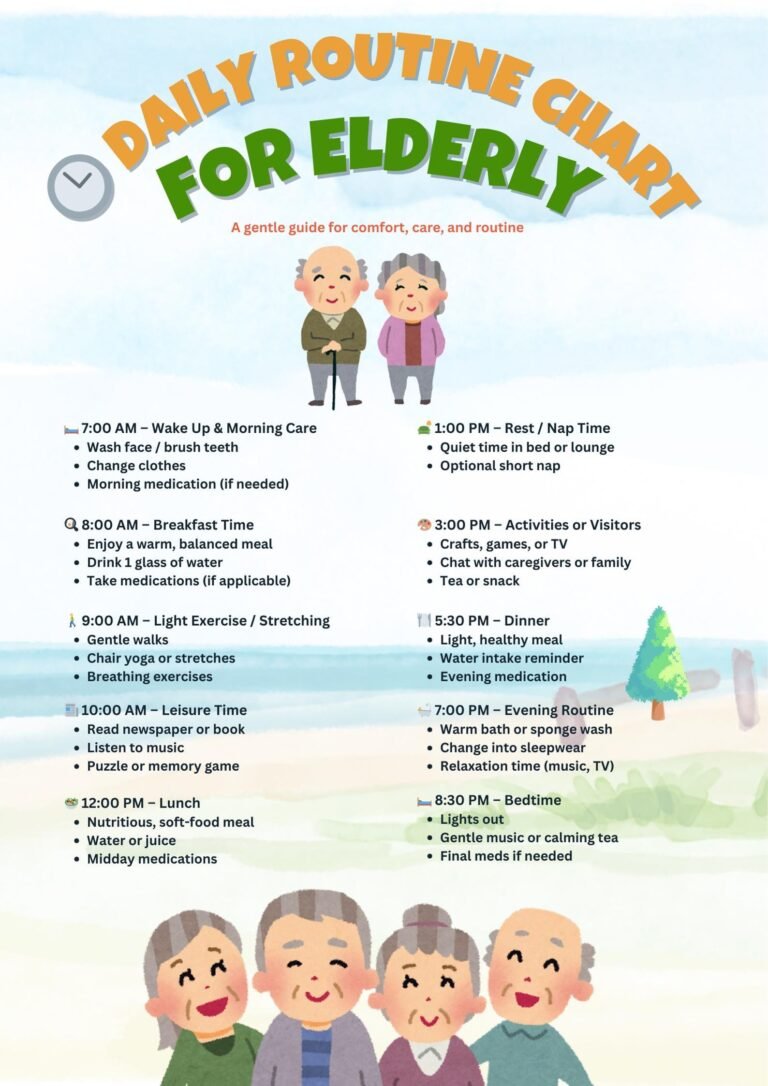
A steady routine reduces the need to decide what to do every day. When an activity has a regular place in your schedule, you can begin with less planning and fewer excuses. This is useful when motivation rises and falls, as it does for most people.
Create a simple daily structure around the tasks that support your well-being. Set regular times for waking, meals, movement, social contact, enjoyable activities, and rest. Your schedule does not need to be strict. It should provide enough structure to help you act while leaving room for changing energy levels and unexpected events.
Start with two or three habits instead of changing your whole day at once. For example, you could eat breakfast at a consistent time, spend ten minutes on a hobby after lunch, and call a friend twice a week. Once these habits feel natural, add another small action if it would help.
Source: taking.care
Prepare the night before
Set out comfortable clothing, place your book nearby, or write down the next day’s first task.
Link habits together
Pair a new action with an established one, such as stretching gently after breakfast if that movement is suitable for you.
Use reminders
A paper calendar, phone alert, or visible checklist can help you remember your plan.
Allow flexible timing
If mornings are difficult, schedule important activities for a time when you usually have more energy.
Create a Routine Without Making Life Feel Rigid
A routine should support your life, not control it. Keep a few anchor habits, such as a regular wake-up time and a planned social activity, while allowing other tasks to move. If you miss an activity, return to the next planned opportunity instead of trying to make up for every missed minute.
On a high-energy day
Complete a planned task and prepare an easy option for the next day.
On a low-energy day
Use a shorter or gentler version of the activity when appropriate.
After a missed day
Restart with the next small step rather than waiting for a new week or month.
Stay Physically Active in Ways You Enjoy
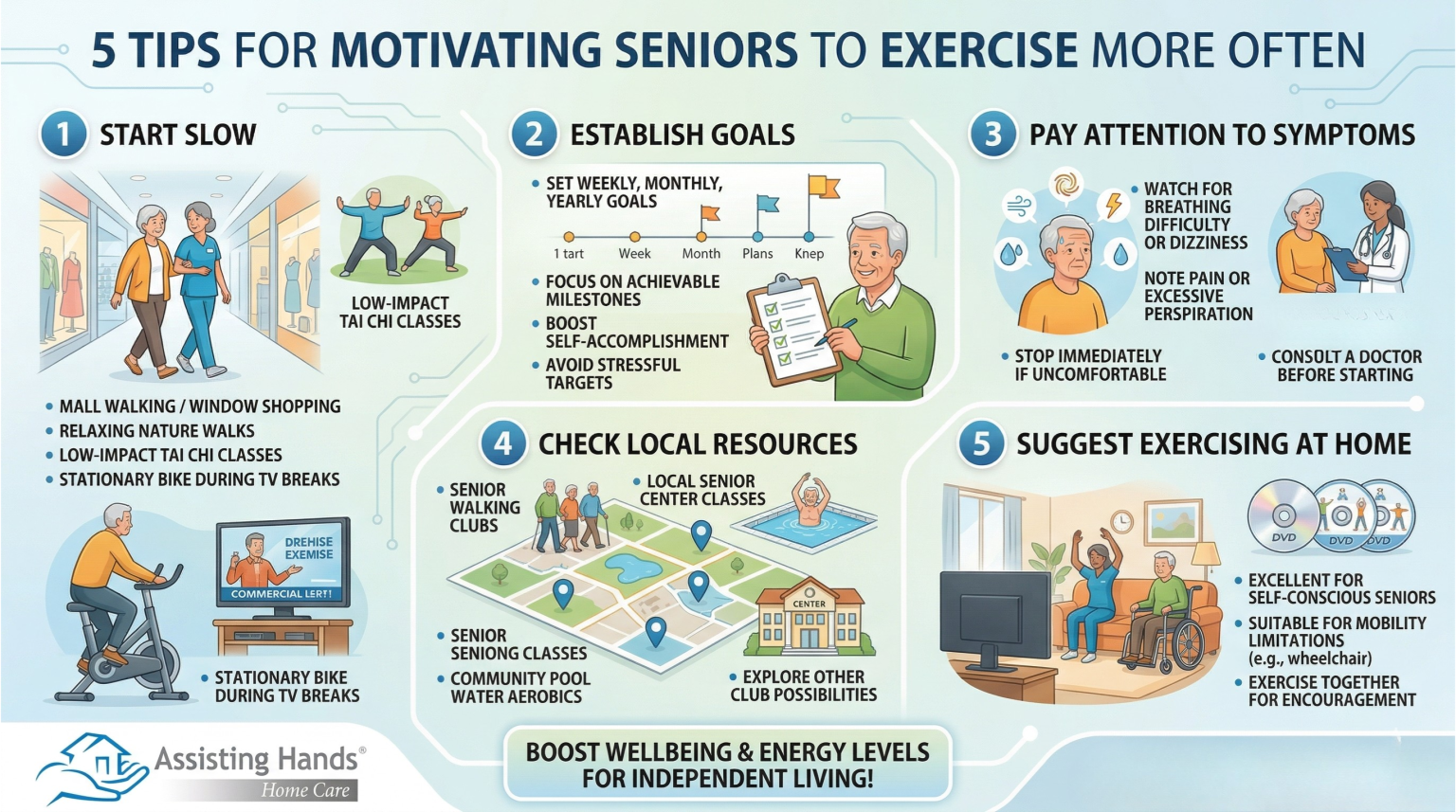
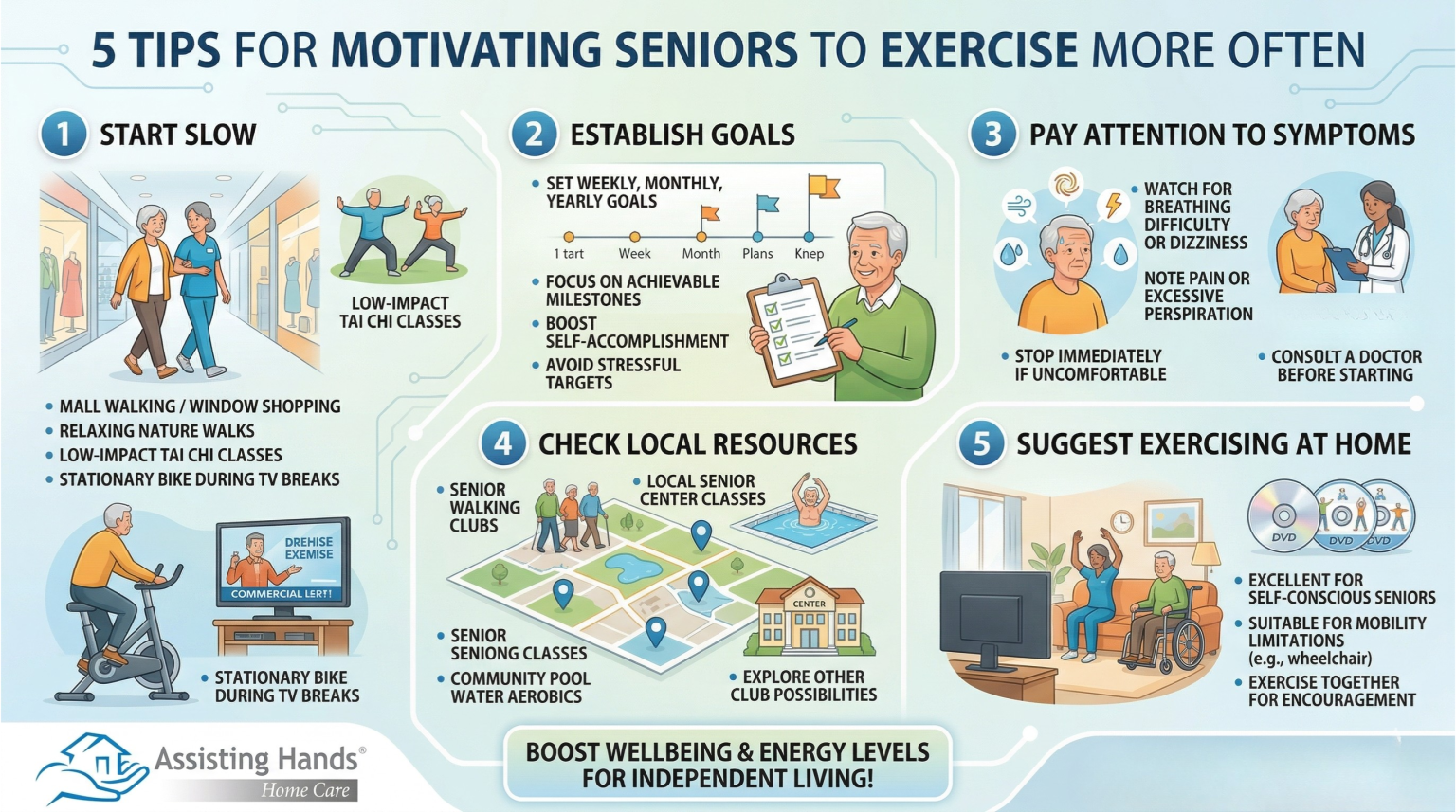
Regular physical activity can support strength, mobility, sleep, mood, and the ability to manage everyday tasks. It can also give your day a clear purpose. You do not need to become an athlete or follow a demanding workout plan to benefit from movement.
The best activity is one that fits your abilities and that you are willing to repeat. Walking, dancing, gardening, swimming, chair-based exercise, and suitable strength exercises are options for many adults. Your choices should reflect your health, balance, mobility, and any advice from your health care team.
The U.S. Centers for Disease Control and Prevention advises older adults to work toward a mix of aerobic activity, muscle strengthening, and balance activities suited to their abilities. The general adult guideline includes at least 150 minutes of moderate-intensity aerobic activity each week and muscle-strengthening activity on at least two days, but the right starting point varies. If you have been inactive, have a chronic condition, or have concerns about falls, ask a qualified professional how to begin safely.
Source: assistinghandscincinnati.com
Choose enjoyable movement
Try an activity that feels pleasant or useful, such as walking with a friend, tending plants, or dancing to familiar music.
Start at your level
Begin with short sessions and increase duration or effort gradually as your body allows.
Make movement social
Arrange a walking date, join a suitable class, or ask a friend to exercise with you.
Track consistency
Record the days you move and how you feel afterward instead of focusing only on speed, distance, or weight.
What If Exercise Feels Too Difficult?
Difficulty does not mean that movement is no longer possible. It may mean that the activity, duration, or setting needs to change. A shorter walk on a level path, a supervised class, or a suitable seated routine may be more manageable than a demanding workout.
For limited mobility
Ask a physical therapist or other qualified health professional about suitable seated or supported activities.
For fear of falling
Discuss balance concerns with a clinician and choose a safe setting with appropriate support.
For pain or unusual symptoms
Stop the activity and seek appropriate medical advice instead of pushing through a new or worsening problem.
Protect Your Mental and Emotional Well-Being
Your emotional health affects how easy it feels to plan, start, and finish daily tasks. Stress, grief, poor sleep, anxiety, and low mood can drain the energy you need to pursue goals. Caring for your mind is therefore part of staying motivated, not a separate task to postpone until everything else is done.
Begin by making room for activities that help you feel calm, interested, or connected. You might spend time outdoors, listen to music, read, pray or reflect if that fits your beliefs, keep a journal, or learn a new skill. There is no single activity that works for everyone, so notice which choices leave you feeling more settled or engaged.
Be realistic about what positive thinking can do. A hopeful outlook can help you notice options and keep trying, but it cannot erase grief, illness, financial stress, or other serious problems. You can acknowledge a hard situation while still choosing one helpful action. That balance is more useful than forcing yourself to feel cheerful every day.
Source: empocorp.com
Practice self-compassion
Speak to yourself as you would speak to a friend who is facing a difficult change.
Notice small successes
Write down one thing you completed, learned, or appreciated each day.
Protect sleep
Keep a regular sleep schedule when possible and seek advice if sleep problems persist.
Make space for grief
Allow yourself to feel sadness after a loss and reach out for support when you need it.
Recognize When Low Motivation Needs More Support
A temporary dip in motivation often improves with rest, support, or a change in routine. However, persistent loss of interest, ongoing sadness, major changes in sleep or appetite, difficulty concentrating, or trouble managing daily tasks may signal depression or another health concern. These symptoms should not be dismissed as a normal part of aging.
Talk with a health care professional if low motivation lasts for about two weeks, keeps returning, or causes meaningful distress or disruption. You do not need to wait two weeks if symptoms are severe or worsening. A clinician can assess possible emotional, medical, and medication-related causes and discuss suitable treatment or support.
Seek routine help
Arrange a medical or mental health appointment when low mood or reduced interest persists.
Seek urgent help when needed
If you are in the United States and have thoughts of suicide or feel unable to stay safe, call or text 988 for the Suicide & Crisis Lifeline. Call 911 for an immediate life-threatening emergency.
Find Purpose Through Learning, Service, and Creativity
A sense of purpose can help give daily life direction. Purpose does not have to come from paid work, a major achievement, or a single lifelong passion. It can grow from caring for loved ones, creating something, helping a neighbor, sharing knowledge, or working toward a goal that matters to you.
Retirement can create room to explore interests that once had to wait. Some adults return to music, gardening, crafts, or travel. Others take community classes, study a subject through a local college, or learn new technology. In the United States, public libraries, parks and recreation departments, community colleges, and senior centers may offer affordable ways to explore these options, depending on the area.
Try different activities without expecting every new interest to become a major commitment. Give an activity enough time to see whether you enjoy it, then decide whether to continue. Curiosity makes it easier to begin because the goal is to explore rather than prove that you are good at something.
Source: www.pinterest.com
Learn something new
Choose a manageable course, language lesson, cooking skill, or technology project.
Volunteer locally
Look for roles at libraries, food banks, community organizations, schools, or nonprofit groups that match your interests and capacity.
Share your experience
Mentor a younger person, teach a practical skill, preserve family stories, or help a community group.
Make something
Use photography, writing, woodworking, music, art, or gardening to create a project you can enjoy at your own pace.
How to Find a New Passion After 50
Start with interests you already have, even if you have not explored them for years. Ask what makes you curious, what problems you care about, and what you would like to learn if you had a little more time. Choose one low-cost activity to try over the next two weeks, then judge it by how engaging and worthwhile it feels rather than by immediate success.
Make a curiosity list
Write down five activities or subjects you would like to explore.
Test one idea
Attend a free event, borrow a library book, or try a beginner lesson before spending much money.
Review the experience
Ask whether the activity gave you energy, connection, enjoyment, or a sense of progress.
Strengthen Social Connections and Ask for Support
Regular social contact can make life feel more connected and give you reasons to stay engaged. Friends, relatives, neighbors, and community groups can offer companionship, practical help, and encouragement when a goal becomes difficult. You do not need a large social circle; a few reliable connections can be valuable.
Relationships may change with age because of retirement, relocation, caregiving, disability, or bereavement. If your usual social routine has faded, rebuilding it may require deliberate action. Start with a manageable step, such as calling someone each Sunday, inviting a neighbor for coffee, or attending the same community activity every week.
If transportation, hearing loss, mobility, or cost makes socializing harder, look for options that fit your circumstances. A local senior center, public library program, accessible community event, or regular phone call may help. Online groups can also provide connection, but use care with requests for money, personal information, or financial access from people you have not verified.
Source: artofit.org
Schedule regular contact
Put calls, visits, and group activities on your calendar so they are less likely to be forgotten.
Choose shared activities
Join a book club, walking group, craft class, volunteer team, or another interest-based gathering.
Be the person who reaches out
Send a short message or invitation instead of waiting for others to make the first move.
Ask for practical help
Tell trusted people what would make participation easier, such as a ride or help learning a new app.
Use Accountability Without Shame
A supportive partner can help you follow through on plans. Agree on a shared walk, weekly check-in, or short progress update, and keep the arrangement flexible. The purpose is to make action easier, not to judge one another when a week goes poorly.
Choose a supportive person
Ask someone who respects your pace and encourages effort without pressure.
Set a clear check-in
Agree on a day and a simple question, such as whether you completed your chosen activity.
Celebrate effort
Recognize consistency, learning, and the willingness to restart after a setback.
Eat Well, Rest Enough, and Support Your Energy
It is harder to stay motivated when your body lacks the rest, food, or care it needs. Regular meals, suitable hydration, consistent sleep, and appropriate medical care can support the energy required for daily activities. These habits may not solve every motivation problem, but they create a stronger foundation for following through on goals.
Choose a balanced eating pattern that includes vegetables, fruit, whole grains, protein sources, and other foods that fit your health needs and preferences. Older adults may have different nutrition needs because of changes in appetite, dental health, digestion, or medical conditions. A clinician or registered dietitian can help if you have unplanned weight loss, poor appetite, dietary restrictions, or difficulty eating.
Sleep needs and patterns vary, and persistent sleep problems deserve attention. Pain, medication effects, breathing problems, stress, and changes in routine can all affect rest. If you often feel exhausted despite allowing enough time for sleep, discuss the problem with a health care professional instead of relying on caffeine or pushing yourself harder.
Source: plantpoweredlifters.com
Keep meals regular
Plan easy meals and snacks that help you meet your nutritional needs, especially on busy or low-energy days.
Drink fluids regularly
Follow appropriate hydration advice, particularly if a medical condition requires limits on fluid intake.
Create a sleep routine
Keep a consistent schedule and make your bedroom comfortable and suitable for rest.
Review ongoing fatigue
Seek medical advice about persistent tiredness, especially if it begins suddenly or affects normal activities.
Do Not Confuse Exhaustion With Laziness
If ordinary tasks feel unusually hard, consider whether your body is signaling a need for rest or care. Fatigue can be linked to poor sleep, stress, illness, medication effects, or other causes that require assessment. A realistic plan should account for your energy rather than treat every difficult day as a failure of willpower.
Notice patterns
Record when fatigue occurs, how you sleep, and whether any new symptoms appear.
Adjust demands
Break tasks into shorter sessions and schedule rest when needed.
Seek appropriate care
Discuss unexplained or persistent fatigue with a qualified health professional.
Overcome Setbacks Without Giving Up
Setbacks are a normal part of building new habits. You may miss a week because of illness, lose interest in a project, or discover that a goal takes more time than expected. Progress becomes easier to maintain when you plan for interruptions instead of assuming that every week will go smoothly.
When a plan stops working, review it without blaming yourself. Ask whether the goal is still meaningful, whether the next step is too large, and whether a practical barrier has appeared. Then make one change. You might shorten the activity, move it to another time, ask for help, or choose a different method.
Avoid the all-or-nothing mindset that says a missed day ruins your progress. One missed session does not erase earlier effort. A flexible approach helps you resume the habit without turning a temporary interruption into a lasting break.
Source: www.youtube.com
Expect interruptions
Keep a shorter version of your routine for busy days, travel, or temporary changes in energy.
Look for the cause
Identify whether the barrier is time, cost, discomfort, uncertainty, or lack of support.
Change one thing
Adjust the plan instead of abandoning the whole goal.
Restart promptly
Choose the next realistic opportunity and take one small action.
A Simple Restart Plan
If you have stopped pursuing a goal, begin with a short review. Write down what you wanted to achieve, what interrupted your progress, and what would make restarting easier. Choose a first step that is small enough to complete within the next day or two, provided it is safe and practical.
Step one
Reconnect with the reason the goal mattered to you.
Step two
Reduce the task to a manageable action.
Step three
Choose a time, place, and reminder.
Step four
Review the result and make a small adjustment if needed.
Avoid Common Motivation Mistakes as You Age
Some approaches to motivation create more pressure than progress. Expecting constant enthusiasm, comparing yourself with younger adults, or setting goals that ignore health limits can make daily life feel harder. A better approach combines ambition with flexibility and realistic expectations.
Motivation also suffers when every activity becomes a duty. If your schedule contains only chores, appointments, and obligations, make room for something you genuinely enjoy. Pleasure, curiosity, and social connection can help make your days feel more rewarding.
Finally, do not assume that every struggle is caused by age or attitude. Persistent pain, memory changes, low mood, medication effects, and financial or social barriers may require specific help. Recognizing these issues allows you to seek the right support instead of blaming yourself.
Source: www.pinterest.com
Waiting for inspiration
Begin with a small planned action rather than waiting to feel ready.
Comparing yourself with others
Measure progress against your own needs and starting point.
Taking on too much
Focus on one or two priorities before adding more goals.
Ignoring warning signs
Seek qualified help for persistent symptoms, worsening function, or new health concerns.
Treating rest as failure
Allow recovery and adapt your plans when rest is needed.
Choose Progress Over Perfection
A useful goal is one you can return to after an imperfect day. You might read a few pages instead of finishing a chapter, practice an instrument for ten minutes instead of an hour, or take a short walk rather than complete a long route. These smaller actions preserve the habit while allowing room for change.
Measure effort
Notice whether you took the planned action, even if the result was modest.
Adjust with care
Change goals when your needs change instead of judging yourself by an old standard.
Create a Practical Seven-Day Motivation Plan
A short plan can turn these ideas into action. The purpose of the first week is not to change your whole life but to learn which small habits are realistic and rewarding. Adjust the activities to your health, mobility, interests, budget, and schedule.
Choose one personal goal and two supporting habits for the week. For example, your goal could be to reconnect with other people, while your supporting habits could be a short daily walk and ten minutes of reading or learning. If walking is not suitable, select another activity recommended for your circumstances.
Source: www.pinterest.com
Day 1: Choose your direction
Write down one thing you want more of in your life, such as connection, strength, creativity, or calm.
Day 2: Take a small first step
Spend ten minutes on an appropriate activity related to your goal.
Day 3: Connect with someone
Call a friend, send a message, or look into a local group that shares your interests.
Day 4: Support your energy
Review your sleep routine, meals, hydration, and opportunities for suitable movement.
Day 5: Learn or create
Try a short lesson, creative task, or practical skill that interests you.
Day 6: Enjoy something meaningful
Make time for a hobby, outdoor activity, family connection, or community contribution.
Day 7: Review and adjust
Record what felt useful, what was difficult, and which actions you want to repeat next week.
How to Tell Whether Your Motivation Is Improving
Look for practical signs of progress rather than expecting to feel happy or energetic all the time. You may begin tasks more often, keep appointments with yourself, enjoy more social contact, or recover more quickly after a setback. These changes can suggest that your routine is becoming more useful.
If the plan feels too demanding, reduce it. If it feels easy but no longer meaningful, choose a more interesting goal. If motivation remains very low despite reasonable adjustments, consider whether a health concern or emotional difficulty needs professional attention.
You take action more often
You complete small tasks without waiting for the perfect mood.
Your days have more structure
You have activities to anticipate and a clearer sense of how you want to use your time.
You feel more connected
You maintain contact with people or take part in activities that matter to you.
You recover from setbacks
You can adjust your plans and restart without treating a difficult day as a permanent failure.
Frequently Asked Questions
Q
How do I stay motivated as I get older?
Start with goals that matter to you and break them into small actions. Build a flexible routine, stay connected with others, and make time for movement and enjoyable activities that suit your abilities. Track your progress and adjust your plan when your needs change.
Q
Is it normal to lose motivation after 60?
Motivation can change at any age, including after retirement or a major life transition. Changes in health, sleep, relationships, or daily purpose can affect how much energy you have for activities. However, ongoing loss of interest or persistent low mood should not automatically be dismissed as normal aging; speak with a health care professional if symptoms continue or interfere with daily life.
Q
What can I do when I have no energy or motivation?
Choose one small, manageable task and reduce other demands where possible. Check whether you need rest, food, fluids, social support, or a simpler routine. If low energy is persistent, unexplained, or accompanied by other symptoms, seek medical advice because several health conditions and medication effects can contribute to fatigue.
Q
How can I find purpose after retirement?
Explore activities that offer learning, connection, service, creativity, or personal growth. Consider volunteering, mentoring, joining a library or community program, learning a skill, or returning to a former hobby. Try one low-cost activity before making a large commitment, and keep the options that feel meaningful to you.
Q
Can exercise help older adults stay motivated?
Suitable physical activity can support physical function, sleep, mood, and independence, which may make it easier to stay engaged in daily life. Choose activities that fit your abilities and interests, start gradually, and ask a qualified health professional for guidance if you have health concerns, pain, balance problems, or a long period of inactivity.
Q
How do I stay positive when aging brings difficult changes?
You do not need to feel positive every day to live well. Acknowledge losses and challenges while looking for actions that remain within your control. Maintain supportive relationships, adapt goals to your current circumstances, and seek help when stress, grief, or low mood becomes difficult to manage.
Q
When should I seek professional help for low motivation?
Consider contacting a health care professional when low motivation persists for about two weeks, keeps returning, or affects sleep, appetite, relationships, self-care, or daily tasks. Seek help sooner if symptoms are severe, worsen quickly, or follow a sudden health change. In the United States, call or text 988 for suicide or mental health crisis support, or call 911 for an immediate life-threatening emergency.
✦ Wrapping Up
Conclusion
Learning how to stay motivated as you get older begins with accepting that your needs, goals, and abilities may change over time. You do not have to keep the same pace you had in your younger years to enjoy a meaningful life. Small goals, flexible routines, suitable physical activity, social connections, and new interests can help you keep moving toward what matters.
Start with one change you can make today. Choose a short activity, contact someone you value, or set aside time for a hobby you want to explore. Review your progress each week and adjust your plan without blaming yourself for setbacks. If low motivation continues or affects your ability to manage daily life, seek professional guidance rather than assuming it is simply part of getting older.
💡 Key Takeaway
Today, write down one goal that would make your life more rewarding, choose a first step you can complete in ten to fifteen minutes, and decide when you will do it. Repeat manageable actions, seek support when needed, and let steady progress—not age or comparison—guide your next chapter.