To dress fashionably after 50, choose well-fitting clothes, build a versatile wardrobe, wear colors you love, and balance classic pieces with modern details. Focus on comfort, quality, and personal taste rather than following rules about what people your age should wear.
In the United States, fashion after 50 can look different from one person to the next. A woman in New York may enjoy tailored city outfits, while someone in Florida may prefer light dresses and sandals. A busy professional in Texas may need polished workwear, and a retiree in Oregon may want relaxed layers for outdoor walks. These differences show why personal style matters more than a fixed set of age-based rules.
Learning how to dress fashionably after 50 starts with knowing what makes you feel comfortable and confident. You do not need a new wardrobe, expensive designer labels, or clothes that hide your age. A few useful basics, thoughtful color choices, and clothes that fit your body can make getting dressed easier. The goal is to create outfits that suit your life today while leaving room for trends and personal expression.
This guide explains how to build a practical wardrobe, choose flattering cuts, mix colors, find the right shoes, and dress for different occasions. It also covers common styling mistakes and offers a simple plan for refreshing your closet without wasting money. The advice works across different budgets, body shapes, and lifestyles, so you can adapt each idea to your own needs.
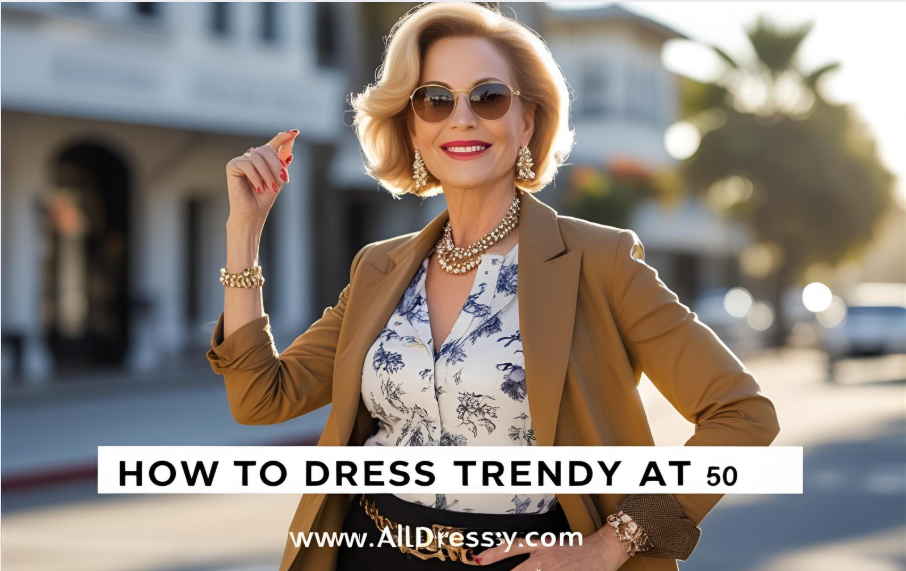
Source: alldressy.com
1. Start With Fit, Not Age
The first step in learning how to dress fashionably after 50 is to find clothes that fit well. A good fit can make a simple shirt and pair of pants look polished. It can also help you feel at ease throughout the day. Your age does not determine which shapes, lengths, or styles you can wear.
Bodies change over time, and clothing sizes can vary between brands. Instead of relying on the number on a label, pay attention to how a garment feels at the shoulders, waist, hips, and sleeves. Clothes should allow you to sit, walk, reach, and bend without constant pulling or adjusting.
A tailor can make useful changes to pants, skirts, dresses, jackets, and sleeves. Small adjustments may help a lower-cost garment look more refined. However, tailoring is worthwhile only when the fabric, construction, and overall fit make the change practical.
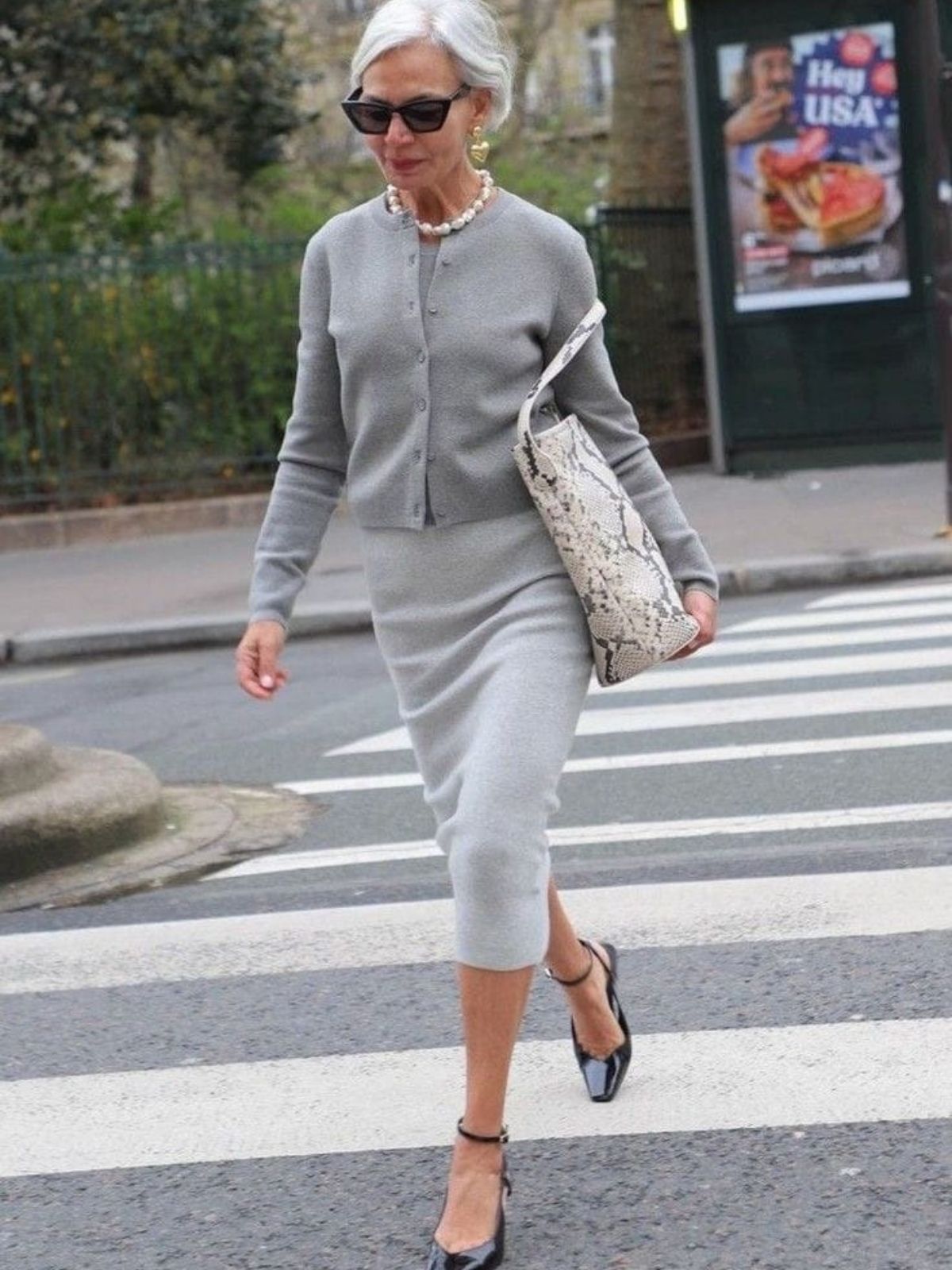
Source: i.pinimg.com
Check the shoulders
For most structured jackets and shirts, the shoulder seam should sit near the edge of your shoulder. A deliberate oversized design can be an exception.
Look for comfortable waistbands
Choose pants and skirts that stay in place without digging into your waist. Try sitting down before deciding whether the fit works.
Check garment length
Make sure sleeves, pants, and skirts fall where you want them to. There is no single correct hem length for everyone.
Move before buying
Walk, sit, raise your arms, and bend slightly in the fitting room. The garment should work in real life, not just in front of a mirror.
Choose Silhouettes That Match Your Preferences
A silhouette is the overall shape created by your clothes. Straight-leg pants, wide-leg trousers, A-line skirts, relaxed shirts, and fitted jackets all create different effects. Try several options to find the balance you enjoy rather than assuming one cut is best for a certain body type.
If you wear wide-leg pants, a tucked-in shirt or a shorter jacket can create a clear waistline. If you prefer slim pants, a longer cardigan or relaxed blouse may create a balanced look. These are styling options, not strict rules.
For a defined shape
Try a belt, a shaped jacket, or a top that follows your natural lines without feeling tight.
For a relaxed look
Combine loose layers with at least one piece that gives the outfit structure, such as straight pants or a crisp shirt.
2. Build a Wardrobe Around Timeless Basics
A useful wardrobe starts with pieces that work together. You do not need dozens of outfits that serve only one purpose. Instead, choose a small group of dependable items that you can combine in different ways for work, errands, meals, travel, and social events.
Begin by reviewing what you already own. Keep clothes that fit, feel good, and suit your current routine. Set aside damaged items, uncomfortable shoes, and garments that no longer match your needs. Before buying anything new, identify the gaps that prevent you from making complete outfits.
Neutral colors can make a wardrobe easier to coordinate. Black, navy, gray, cream, white, brown, and olive are common choices, but no single palette is required. Add your favorite colors through shirts, scarves, bags, shoes, or statement pieces.
Source: cindyhattersleydesign.com
Well-fitting jeans
Choose a rise, wash, and leg shape that feels right for you. Dark denim can look polished, while lighter denim often suits relaxed daytime outfits.
Straight-leg or tailored pants
These can work with knit tops, blouses, sweaters, and jackets. Select fabric weight and stretch based on the season and your comfort.
Versatile tops
Keep a mix of T-shirts, button-down shirts, knit tops, and blouses that work with your main pants and skirts.
A structured jacket
A blazer or casual jacket can make jeans and a simple top look more finished. Choose one that suits your daily activities.
A useful dress
A shirt dress, wrap-style dress, knit dress, or simple A-line dress can be dressed up or down with different shoes and accessories.
A practical outer layer
Choose a cardigan, trench coat, denim jacket, or weather-resistant coat that suits your climate and the clothes you wear most.
Use a Simple Capsule Wardrobe Method
A capsule wardrobe is a collection of clothing items that coordinate well and serve several purposes. It can reduce the time spent choosing outfits and help you avoid buying pieces that match nothing else in your closet.
Start with a manageable group of items rather than following a fixed capsule wardrobe count. For example, combine two pairs of pants, one pair of jeans, three tops, two knit layers, one jacket, and a dress. Add shoes and accessories that work with several combinations.
Before purchasing a new item, think of at least three outfits you can make with it. If it works only with one special garment, consider whether it deserves space in your wardrobe.
Create outfit combinations
Pair jeans with a T-shirt and sneakers, tailored pants with a blouse and loafers, or a dress with a cardigan and ankle boots.
Keep a short shopping list
Write down missing items and their intended uses. This helps separate real wardrobe needs from impulse purchases.
3. Choose Colors That Express Your Style
Color is one of the easiest ways to make an outfit feel personal. You can use a simple neutral base and add one bright shade, or wear several colors together if that reflects your taste. The best choices are those you enjoy wearing and can coordinate with the rest of your wardrobe.
Some people prefer deep colors such as navy, burgundy, forest green, and plum. Others feel best in coral, turquoise, soft pink, yellow, or bright red. These preferences are personal, and there is no universal rule that people over 50 should avoid bold or pale shades.
If you are unsure where to begin, hold a garment near your face in natural light. Notice whether you like the overall effect and whether the color works with other items you own. Comfort with your own choice matters more than following a seasonal color trend.
Source: i.pinimg.com
Start with two or three neutrals
Choose base colors that coordinate with your existing pants, jackets, and shoes. Navy and cream, black and gray, or brown and olive are possible combinations.
Add a favorite accent color
A colored blouse, scarf, handbag, or pair of shoes can refresh an outfit without requiring a full wardrobe change.
Use prints with purpose
Stripes, florals, geometric designs, and animal prints can all work. Choose print scale and contrast based on the look you prefer.
Repeat a color
Echo a shade in two places, such as a blue shirt and blue earrings, to create a connected look without matching every item.
How to Wear Prints Without Overcomplicating an Outfit
A printed garment can become the main feature of your outfit. Pair a floral blouse with solid pants, or wear striped pants with a simple top. This keeps the overall look clear while allowing the print to stand out.
If you enjoy mixing prints, look for a shared color or a similar design scale. For example, a narrow stripe and a small floral pattern may work together when their colors complement each other. Try the combination in front of a mirror before wearing it out.
For a subtle effect
Choose one printed item and keep the remaining clothes simple.
For a bolder effect
Combine prints with a shared color and use accessories that do not compete for attention.
4. Mix Classic Clothing With Modern Trends
You can look current after 50 without dressing like a teenager or replacing your entire closet every season. The easiest approach is to keep a foundation of classic pieces and add a few modern details. This creates an updated look while keeping your wardrobe useful for longer.
Fashion trends change quickly, so choose them based on your taste, budget, and lifestyle. A wide-leg pant, modern sneaker, textured handbag, or relaxed blazer may add a fresh touch to clothes you already own. You do not need to wear every trend to look stylish.
Try one new element at a time. If you buy a trendy jacket, pair it with familiar jeans and a simple top. If you try a new shoe shape, wear it with an outfit that already feels comfortable. This makes it easier to decide whether the trend belongs in your everyday wardrobe.
Source: lifestylefifty.com
Update denim
Try straight-leg, bootcut, or wide-leg jeans if you want an alternative to a familiar skinny fit. Keep the cut that suits your comfort and style.
Refresh your shoes
Clean sneakers, loafers, ballet flats, or modern ankle boots can change the mood of a familiar outfit.
Add one current accessory
A sculptural necklace, contemporary belt, or textured bag can make basic clothes feel more personal.
Keep your favorite classics
A well-fitting coat, simple dress, or tailored pants may remain useful for years when the quality and care needs suit you.
Avoid the Trap of Dressing Too Young or Too Old
There is no single style that defines how a person over 50 should dress. Clothing can feel dated when it no longer reflects your taste, but it does not become wrong simply because you have worn it for many years. The same applies to youthful cuts and bold trends.
Instead of asking whether an item is age-appropriate, ask whether it fits well, suits the occasion, and makes you feel like yourself. A graphic T-shirt, leather jacket, colorful sneakers, or short skirt may work for one person and not another. Personal preference is a better guide than an arbitrary age rule.
Keep what feels authentic
If a favorite style still fits your life and makes you happy, there is no need to abandon it.
Try trends selectively
Choose styles that work with your existing clothes instead of buying items only because they are popular.
5. Dress Well for Your Everyday Lifestyle
Fashion works best when it supports your real life. Your wardrobe may need to cover office days, errands, family gatherings, travel, outdoor activities, and special events. Start by identifying the occasions you dress for most often, then build outfits around those needs.
For everyday wear, comfort and versatility are often more useful than formality. Jeans, soft trousers, breathable tops, and easy layers can make a practical foundation. For work or social events, a blazer, polished shoes, or a structured bag can make the same basics look more refined.
The climate across the United States varies widely, so seasonal needs matter. Hot and humid weather may call for breathable fabrics and loose layers, while cold regions may require warm coats, knitwear, and practical boots. Dressing fashionably means choosing pieces that work in the conditions you actually face.
Source: i.pinimg.com
Casual outfits
Combine jeans or relaxed trousers with a clean top, comfortable shoes, and a light jacket or cardigan.
Workwear
Try tailored pants, a blouse, loafers, and a blazer. Adapt the level of formality to your workplace.
Weekend outings
Choose easy layers, comfortable footwear, and a bag that holds what you need without becoming cumbersome.
Special occasions
A well-fitting dress, elegant trousers, or a coordinated set can look polished. Let the event’s dress code guide your choice.
How to Dress Fashionably for Travel After 50
Travel outfits should make long walks, airport waits, and changes in temperature easier. Choose clothes that allow movement and shoes that you have already worn comfortably. Avoid relying on a new pair of shoes for a trip with lots of walking.
A simple travel outfit might include stretch trousers, a breathable shirt, a cardigan, and walking shoes. Add a lightweight jacket for cool airports or changing weather. If you pack items that coordinate with one another, you can create several outfits with fewer pieces.
Check the forecast and the activities planned for your destination before packing. A beach trip, a city visit, and a mountain getaway call for different fabrics and layers. Keep useful items accessible and leave room for any clothing care needs during the trip.
Pack coordinated pieces
Choose tops and bottoms that can be mixed rather than packing a separate outfit for every day.
Prioritize practical shoes
Select footwear with a secure fit and suitable grip for the surfaces and distances you expect.
Use layers
A cardigan, scarf, or light jacket can help you adjust to air conditioning and changing temperatures.
6. Choose Fabrics That Feel Good and Last
Fabric affects how clothing feels, hangs, breathes, and wears over time. Choosing a material that suits the weather and your daily routine can make a bigger difference than buying a more expensive brand. Read garment labels and consider how much care each item needs before purchasing it.
Cotton is a common choice for everyday shirts and casual clothing. Linen can feel airy in warm weather, although it tends to wrinkle. Wool and many wool blends can provide warmth, while knit fabrics may offer stretch and ease of movement. Each material has trade-offs, so consider the garment’s intended use.
Blended fabrics may combine useful qualities, such as stretch, softness, or easier care. However, the fiber name alone does not guarantee quality. Construction, thickness, seam strength, fit, and washing instructions also affect how well an item performs.
Source: sunflowersandstories.com
For warm weather
Consider breathable cotton, linen, and lightweight blends. Check whether the fabric feels comfortable in heat and humidity.
For cooler weather
Look for wool, fleece, heavier knits, or layered fabrics suited to the temperatures you face.
For travel and busy days
Wrinkle-resistant blends and washable knits may be useful when you have limited time for garment care.
For longer wear
Inspect seams, buttons, zippers, lining, and fabric recovery. Choose care requirements you can realistically maintain.
When Is It Worth Paying More for Clothing?
A higher price does not always mean better quality. Paying more may make sense for a coat, jacket, everyday shoes, or another item that you use often and expect to keep. For occasional clothing, a well-made budget option may be more practical.
Compare the cost with how often you expect to wear the item. For example, a hypothetical $120 jacket worn 60 times costs $2 per wear before care costs. A hypothetical $40 jacket worn 10 times costs $4 per wear. These figures are examples, not guarantees about durability or value.
Check return policies, repair options, and care instructions before buying. A garment that requires frequent expensive cleaning may cost more to maintain than a washable alternative.
Buy for repeated use
Spend more when a garment fills a regular need and its fit, construction, and care requirements justify the cost.
Avoid paying for a label alone
Look at fabric, stitching, comfort, and usefulness instead of assuming that a famous brand is always better.
7. Use Accessories to Make Simple Outfits Stand Out
Accessories can change the look of familiar clothing without requiring a major shopping trip. A belt, scarf, necklace, watch, handbag, or pair of earrings can add color, texture, or a personal touch. Start with items you already own and notice which ones work with several outfits.
You do not need to wear many accessories at once. A single statement necklace can work with a plain top, while a colorful scarf can bring interest to a neutral coat. If you prefer a quiet look, simple earrings and a clean handbag may be all you need.
Choose accessories based on your comfort and daily needs. A bag should hold the items you carry without becoming too heavy. Jewelry closures should be easy for you to use, and scarves should not interfere with movement or activity.
Source: zentrosy.com
Belts
Use a belt to add definition or introduce a contrasting color. Choose a width and buckle that work with the garment.
Scarves
A lightweight scarf can add color, pattern, or warmth. Select a fabric that suits the season.
Jewelry
Mix simple everyday pieces with one item that draws attention. There is no need to match every metal or color exactly.
Bags
Choose a shape and size that suit your routine, from a small crossbody bag to a structured work tote.
Create a Polished Look With Three Simple Steps
A polished outfit often comes from small details rather than expensive clothing. Check that your garments are clean, your shoes suit the occasion, and your accessories work with the overall look. These steps can make everyday basics appear more intentional.
For example, straight-leg jeans, a white shirt, and loafers can look finished with a belt and a simple watch. The same jeans can feel more relaxed with sneakers and a soft knit top. The clothing does not need to change completely for the mood to change.
Check the condition
Look for loose threads, missing buttons, stains, and visible wear before leaving home.
Choose a clear focal point
Let one item, such as a jacket, necklace, or printed blouse, take the lead.
Keep the outfit practical
Make sure shoes, bags, and jewelry remain comfortable for the activity ahead.
8. Find Shoes That Combine Style and Comfort
Shoes are a key part of an outfit because they affect both appearance and comfort. A stylish shoe that pinches your toes or slips at the heel may not work for a full day of errands or social activities. Choose footwear that fits your feet and suits the surfaces and distances you expect to cover.
Loafers, supportive flats, clean sneakers, low heels, ankle boots, and sandals can all fit into a fashionable wardrobe. The right option depends on your preferences, outfit, climate, and activity. There is no need to wear high heels to create a polished appearance.
Feet may change in width, shape, or comfort over time, so check your fit when buying new shoes. Try them on while standing and walking. If you have ongoing foot pain, balance problems, or difficulty finding suitable footwear, consider asking a qualified health professional or footwear specialist for guidance.
Source: i.pinimg.com
For casual days
Choose sneakers or flats that fit securely and have soles suitable for your regular walking surfaces.
For work or dinner
Loafers, low heels, or polished flats can pair well with tailored pants, dresses, and skirts.
For cold weather
Look for boots with appropriate warmth, secure fastening, and grip suited to wet or slippery conditions.
For summer
Select sandals that stay securely on your feet and feel comfortable during the activities you have planned.
Do Not Ignore Fit for the Sake of Fashion
Shoes that feel fine while sitting may become uncomfortable after walking for several minutes. Test the fit in a way that reflects your usual activities, and avoid assuming that a shoe will stretch enough to fix a painful pressure point.
If a particular style repeatedly causes discomfort, look for a different shape or construction. You can create a refined outfit with comfortable footwear, and you do not need to accept pain as part of dressing well.
Check toe space
Make sure your toes have enough room and are not pressed tightly together.
Check grip and stability
Choose soles and heel heights that suit your balance, walking needs, and environment.
9. Shop Smarter and Refresh Your Wardrobe on a Budget
You can improve your style after 50 without spending a lot of money. Start by making more use of what you already own, then buy only the items that solve a clear problem. This approach can reduce clutter and help you avoid expensive purchases that do not fit your life.
Shopping with a plan is useful whether you prefer department stores, local boutiques, outlet shops, thrift stores, or online retailers. Try to understand your measurements and check the return policy before ordering. Product photos can be helpful, but fabric descriptions, size charts, and customer fit information also matter.
Secondhand clothing can provide access to distinctive pieces at lower prices, although condition and fit need careful checking. Inspect seams, zippers, buttons, odors, stains, and signs of fabric damage. Wash or clean items according to their care labels before wearing them.
Source: shunvogue.com
Set a budget
Decide how much you can spend before shopping and reserve part of it for alterations or garment care if needed.
Shop your closet first
Try new combinations with clothes you already own. A different tuck, belt, or shoe can create a fresh outfit.
Compare cost and use
Think about how often you will wear the item, how it fits, and whether it works with existing clothes.
Review return terms
Check deadlines, return shipping costs, and any restrictions before ordering clothing online.
A Simple Wardrobe Refresh Plan
A planned wardrobe refresh is easier than trying to change everything at once. Divide the process into short steps so you can assess what works and spend money only where it helps. You can complete the process over a few weekends or at your own pace.
Start with the clothes you wear most often. Make sure you have suitable combinations for common activities, then identify any missing basics. Try the updated outfits at home before shopping for additional pieces.
Step 1: Review
Sort clothing into keep, repair, donate, and reconsider groups. Follow local donation guidelines and avoid donating unusable items.
Step 2: Identify gaps
List the pieces you need to complete outfits for work, casual wear, social events, or travel.
Step 3: Build combinations
Create several outfits from your current wardrobe and note which items appear in multiple looks.
Step 4: Shop selectively
Buy the most useful missing items first and test how well they work with what you own.
10. Avoid Common Fashion Mistakes After 50
Many wardrobe problems come from buying clothes without considering fit, comfort, or how they work with existing items. You do not need to follow strict rules to avoid these issues. A few practical checks can help you create outfits that feel more natural and useful.
One common mistake is buying clothes that look good on a model but do not suit your proportions or daily needs. Another is keeping uncomfortable garments because they were expensive or may be useful someday. Clothes should earn their place in your wardrobe through fit, function, and personal value.
It is also easy to assume that every outfit needs a new accessory or that every trend deserves attention. In reality, repeating favorite outfits is normal. A reliable personal uniform can save time and still look stylish when the fit, condition, and details are right.
Source: alldressy.com
Avoid buying without a plan
Check whether a new item works with at least three pieces you already own before purchasing it.
Do not wear the wrong size to follow a trend
Choose the size and cut that provide the intended shape and comfortable movement, regardless of the number on the label.
Do not confuse expensive with flattering
A modestly priced garment that fits well can work better than an expensive item that needs major changes.
Avoid rules based only on age
Choose skirt lengths, sleeve styles, necklines, and colors according to your preferences and the setting.
Do not overlook garment care
Follow care labels, repair small problems when practical, and store seasonal clothing in a clean, dry place.
What If You Feel That Nothing Looks Good on You?
If getting dressed feels frustrating, take a break from shopping and return to a few outfits you have enjoyed wearing. Notice what made them work. It may have been the fabric, the fit at the shoulders, the waist height, the color, or the ease of movement.
Try changing one element at a time rather than judging your entire wardrobe at once. You might test a different pant cut, a softer fabric, a new color near your face, or a jacket with a different length. Taking a few photos of outfits you like can also help you identify patterns in your preferences.
If your body or daily needs have changed, your old wardrobe may no longer serve you. That does not mean you have lost your sense of style. It simply means your clothes need to adapt to the person you are now.
Start with one reliable outfit
Choose clothes that fit well and feel comfortable, then use them as a base for trying small changes.
Seek useful feedback
Ask a trusted friend or qualified stylist for specific feedback about fit and coordination, while keeping your own preferences central.
11. Adapt Your Style as Your Needs Change
Personal style can change with work, family life, hobbies, travel, climate, and comfort needs. Your wardrobe should support those changes rather than hold you to an old image of yourself. It is reasonable to prefer softer waistbands, lighter layers, easier closures, or different shoes if they make daily life more comfortable.
Clothing can also support confidence during a life transition. Starting a new job, retiring, moving to a different region, or returning to social activities may change the outfits you need. Begin with the activities that matter to you now, and build around them instead of buying clothes for a lifestyle you no longer have.
If dressing or fastening garments becomes difficult, practical design features may help. Look for elastic waists, front openings, magnetic or easy-grip closures where appropriate, and layers that are easy to put on and remove. These options are useful for many people and do not have to look clinical or plain.
Source: cindyhattersleydesign.com
For changing comfort needs
Try softer fabrics, adjustable waistbands, lighter layers, or cuts that allow easy movement.
For a changing routine
Review which activities now take up most of your time and make sure your wardrobe supports them.
For easier dressing
Consider garments with accessible closures and simple care needs while maintaining the colors and styles you enjoy.
For seasonal changes
Store clothes that are out of season and keep the items suited to current weather within easy reach.
Build Confidence Through Personal Choice
Fashion can help you express how you feel, but it does not measure your worth. You do not need to look younger, hide every sign of aging, or copy someone else’s wardrobe to be stylish. Clothing is a tool for comfort, identity, and self-expression.
Give yourself permission to experiment. You may find that a bright jacket, an unusual print, a classic trench coat, or a simple pair of jeans becomes a favorite. Keep what works, let go of what does not, and allow your style to evolve at your own pace.
Wear what feels like you
Choose clothing that reflects your taste rather than a rule about what someone over 50 should wear.
Make comfort part of style
A good outfit should let you take part in your day without constant adjustment or avoidable discomfort.
12. A Practical Guide to Choosing Outfits
When you are unsure what to wear, start with the occasion and the weather. Choose one main garment, such as pants, a skirt, or a dress, then add pieces that suit its color, shape, and level of formality. Finish with shoes and accessories that support the activity ahead.
The following table offers starting points rather than strict dress codes. Adapt each outfit to your personal style, local weather, and comfort needs. You can also substitute similar pieces you already own instead of buying everything listed.
Source: i.pinimg.com
Outfit Ideas for Common Occasions
These combinations show how a few versatile pieces can serve different purposes. Change the colors, prints, and accessories to make each look your own.
Everyday errands
Straight-leg jeans, a cotton T-shirt, a light cardigan, and comfortable sneakers.
Casual lunch
Tailored ankle pants, a printed blouse, loafers, and a small crossbody bag.
Office or meeting
A blazer, a simple top, tailored pants, and shoes that suit your workplace.
Outdoor gathering
A casual dress or lightweight trousers with a breathable top, practical sandals, and a weather-appropriate layer.
Dinner or celebration
A well-fitting dress or elegant trousers with a refined top, polished shoes, and one statement accessory.
Travel day
Stretch trousers, a breathable shirt, a cardigan, and walking shoes that have already proved comfortable.
Frequently Asked Questions
Q
How can I look stylish and modern after 50?
Start with clothes that fit well, then update a few details such as your jeans, shoes, jacket, or accessories. Combine classic basics with one or two current trends that suit your taste. A polished look comes from thoughtful combinations, not from trying to appear younger.
Q
What clothes should a woman over 50 have in her wardrobe?
Useful options include well-fitting jeans, tailored pants, versatile tops, a structured jacket, a cardigan, a practical coat, comfortable shoes, and a dress or outfit for special occasions. The exact list depends on your climate, work, hobbies, and personal style. Keep pieces that work together and support your daily routine.
Q
Can women over 50 wear jeans and sneakers?
Yes. Jeans and sneakers can be stylish at any age. Choose denim that fits comfortably and sneakers that suit your walking needs. Pair them with a simple T-shirt for casual wear or add a blouse and blazer for a more polished outfit.
Q
What colors look best on women over 50?
There is no single set of colors that looks best on every woman over 50. Navy, cream, black, gray, brown, and olive can create a versatile base, while bright or soft colors can add personality. Try shades in natural light and choose those you enjoy wearing and can coordinate with your wardrobe.
Q
How can I dress fashionably after 50 on a budget?
Review your current clothes before shopping, repair useful items, and list the gaps in your wardrobe. Buy versatile pieces that work with several outfits, compare garment quality, and consider secondhand clothing when suitable. Set a budget and check return policies so you can make thoughtful purchases.
Q
Should I avoid certain clothes after turning 50?
No clothing style is automatically off-limits because of age. Consider fit, comfort, occasion, and personal preference instead. If you enjoy short skirts, bold prints, sleeveless tops, bright colors, or modern trends, you can wear them when they suit your needs and make you feel confident.
Q
How can I look elegant after 50 without wearing formal clothes?
Choose clean, well-fitting basics and pay attention to fabric condition, proportions, and finishing details. Straight-leg pants, a quality knit top, loafers, a simple bag, or a relaxed jacket can look elegant without being formal. Keep accessories intentional and select clothes that suit the setting.
Q
What shoes are best for women over 50?
The best shoes are those that fit your feet, suit your activities, and provide the comfort and stability you need. Loafers, supportive flats, sneakers, low heels, and suitable boots can all work. If you experience persistent pain or balance difficulties, seek advice from a qualified health professional.
✦ Wrapping Up
Conclusion
Learning how to dress fashionably after 50 is about making clothes work for the life you have now. A thoughtful wardrobe does not need to be large or expensive. Well-fitting basics, useful layers, comfortable shoes, and a few personal details can create outfits for nearly every part of your week.
Start by reviewing your closet and identifying the pieces you enjoy wearing most. Build new combinations before shopping, then add only the items that fill real gaps. Experiment with color, prints, accessories, and modern trends while keeping your own comfort and preferences at the center of each decision.
Above all, remember that style has no age limit. Your clothes can reflect your experience, personality, and changing interests without following rigid rules. The most useful wardrobe is one that helps you feel ready for the day and comfortable being yourself.
💡 Key Takeaway
This week, choose three outfits from your current wardrobe that fit well and feel comfortable. Try one new combination with a different top, jacket, shoe, or accessory. Write down any genuine wardrobe gaps, set a practical budget, and shop only for pieces that work with clothes you already own.
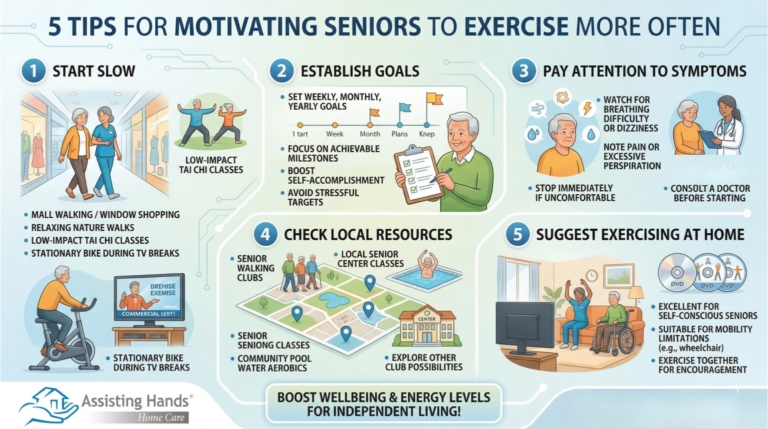
Learn what are four misconceptions about older adults and how facts about aging challenge harmful stereotypes about health, memory, independence, and happiness.