Some of the biggest benefits of getting older include greater life experience, better self-understanding, stronger emotional skills, deeper relationships, clearer priorities, and more freedom to pursue meaningful goals. Aging also creates opportunities to share knowledge, explore new interests, and build a life around what matters most.
In the United States, getting older can bring changes in work, family life, health, income, and daily routines. Yet aging is not simply a story of loss. For many Americans, the years after 50 or 60 offer a chance to use hard-earned wisdom, strengthen close relationships, and make choices with greater confidence. Retirement, adult children leaving home, and changing career goals can also open new doors.
Research on aging and well-being offers a balanced view. The National Institutes of Health explains that healthy aging involves caring for physical, mental, and cognitive health to support independence and quality of life. Research on American adults over 65 also shows that age-related changes in life satisfaction are complex. Some people adapt well to later life, while health problems, bereavement, and financial strain can make aging harder. The benefits are real possibilities, not guarantees, and they often grow when people have the right support and opportunities.
Understanding the benefits of getting older can help you approach the next stage of life with purpose rather than fear. You do not need to feel positive every day or ignore the challenges of aging. Instead, you can build on your strengths, maintain social ties, learn new skills, and make practical choices that support a satisfying life.
Source: tbsnews.net
1. Greater Wisdom and Better Decision-Making
One major benefit of getting older is the chance to make better use of life experience. Years of work, relationships, family duties, mistakes, and personal change provide lessons that are hard to gain from books alone. Over time, you may learn to spot familiar patterns and judge which choices are likely to serve you well.
Wisdom is not the same as knowing everything. It often means recognizing what you do not know, asking better questions, and thinking about the effects of a choice on other people. An older adult who has managed a job loss, raised a family, or rebuilt life after a setback may bring useful perspective to a new challenge.
Age does not guarantee sound judgment, and experience can sometimes reinforce old habits. Still, reflecting on past choices can help you turn experience into a practical tool. The key is to stay curious, remain open to new evidence, and accept that even experienced people can learn something new.
Source: assets.dhakapost.com
A wider view
Experience can help you see beyond an immediate problem and consider long-term effects before acting.
Better risk awareness
Past mistakes may help you recognize warning signs, ask for advice, and avoid repeating harmful patterns.
Practical problem-solving
You can draw on lessons from earlier challenges to develop realistic solutions instead of reacting in haste.
How to Turn Experience Into Wisdom
Take a few minutes each week to reflect on a choice that worked well and one that did not. Ask what you learned, which facts mattered, and what you would change next time. Writing these lessons down can make them easier to use in future decisions.
Keep learning
Read, take a class, ask questions, and listen to people whose experiences differ from your own.
Share lessons with care
Offer advice when it is welcome, but allow younger family members and coworkers to make their own choices.
2. Stronger Emotional Skills and Greater Self-Acceptance
Another possible benefit of getting older is a better understanding of your feelings, needs, and limits. With experience, many people become more aware of what upsets them, what brings them joy, and which situations deserve their energy. This awareness can make daily life feel less driven by pressure from other people.
Emotional maturity does not mean that older adults stop feeling anger, grief, fear, or sadness. It means having more chances to learn how to respond to these feelings. A person who once reacted quickly to criticism may learn to pause, consider the facts, and decide whether a response is needed.
Aging can also make self-acceptance easier. You may become less focused on meeting every social expectation and more willing to accept your strengths and limits. Instead of measuring your worth by job titles, appearance, or other people’s approval, you may begin to value kindness, reliability, creativity, and the quality of your relationships.
Research on emotional well-being does not support a simple claim that everyone becomes happier with age. Findings vary by age, health, social conditions, and the way well-being is measured. A balanced approach recognizes that emotional skills can improve while loneliness, illness, grief, or other hardships still need attention.
Source: media-stg.assettype.com
More patience
Experience may help you pause before reacting and consider a calmer response to conflict.
Less need for approval
You may feel more comfortable choosing goals that fit your values instead of trying to impress everyone.
Healthier boundaries
You can learn to say no to unreasonable demands while still showing care and respect for others.
How to Support Emotional Well-Being as You Age
Make time for activities that help you feel grounded, such as walking, gardening, prayer or reflection if meaningful to you, creative work, or talking with a trusted friend. If sadness, anxiety, or loss of interest lasts for weeks or interferes with daily life, consider speaking with a health professional. Emotional struggles are not a personal failure, and help is available.
Name your feelings
Identifying whether you feel worried, hurt, angry, or lonely can help you decide what support or action you need.
Practice self-compassion
Treat yourself with the same patience you would offer a friend who is facing a difficult change.
3. Deeper Relationships and a Stronger Sense of Connection
Getting older can bring a clearer sense of which relationships matter most. Years of shared memories, support during hard times, and honest conversations can strengthen bonds with partners, siblings, longtime friends, adult children, and other relatives. These ties can provide comfort, practical help, and a sense of belonging.
Older adults may also become more selective about how they spend their social time. Rather than trying to maintain a large circle of casual contacts, they may prefer a few relationships built on trust and mutual respect. This shift can make social life more rewarding when it reflects personal needs rather than pressure to remain busy.
Family roles may change as children grow up and parents age. These changes can create room for a different kind of relationship, one based more on adult conversation, shared decisions, and mutual support. Grandparents may also enjoy passing on family stories, traditions, skills, and values, while learning from younger generations in return.
However, close relationships do not always come easily with age. Friends may move away, partners may die, and health or transport problems can limit social contact. Retirement can also remove the daily conversations that once came with work. Building and maintaining connection takes effort, and loneliness deserves attention rather than shame.
Source: cdn.jagonews24.com
More meaningful time
You can focus on people who make you feel respected, safe, and understood.
Stronger family bonds
Shared traditions, family history, and mutual support can help connect generations.
New friendships
Classes, clubs, volunteer groups, libraries, and community centers offer ways to meet people with shared interests.
Simple Ways to Stay Connected
Set a regular time to call a friend, share a meal with family, or attend a local activity. If mobility or distance makes visits difficult, phone calls and video chats can help maintain contact. For Americans who want to meet people nearby, public libraries, parks and recreation programs, senior centers, faith communities, and volunteer organizations may offer useful options.
Reach out first
A short message or invitation can restart a friendship that has grown quiet.
Make connection routine
A weekly class, walking group, or regular meal creates a dependable reason to see other people.
4. More Freedom to Explore Interests and Personal Goals
Aging can create new room for activities that once had to compete with work, parenting, or other duties. Retirement may provide more control over the daily schedule, while a change in family responsibilities can make space for travel, learning, art, exercise, or long-delayed projects. These opportunities depend on health, finances, caregiving duties, and personal circumstances, but they are worth exploring.
There is no age limit on curiosity. Adults can learn a language, take community college courses, improve their cooking, study local history, or try a musical instrument. Learning can provide structure, enjoyment, and a reason to keep engaging with the world. It can also create new social connections when people learn alongside others.
Hobbies offer more than a way to fill free time. Creative work can support self-expression, while gardening and walking may encourage movement and time outdoors. Puzzles, reading, and new skills can provide mental challenge, although no single hobby can guarantee protection against cognitive decline or dementia.
Some older adults continue working, start a small business, or take on part-time roles. Others choose volunteer work or projects that do not produce income. The main benefit is the chance to shape activities around personal values, energy, and available resources rather than follow one fixed idea of what later life should look like.
Source: media.dailynayadiganta.com
Learning at any age
Community colleges, libraries, museums, and online courses can help adults build knowledge and skills.
Creative expression
Painting, music, writing, photography, crafts, and cooking can bring pleasure and a sense of progress.
Flexible routines
You can design a schedule that balances rest, movement, social time, and projects that matter to you.
How to Start a New Interest After 50
Choose one activity that sounds enjoyable, then test it on a small scale before spending much money. Visit a free library event, borrow a book, attend a trial class, or ask a friend to join you. After a few weeks, decide whether the activity fits your budget, abilities, schedule, and interests.
Start small
A short weekly session can help you build a habit without adding pressure.
Measure enjoyment, not performance
Focus on what you learn and how you feel rather than comparing your progress with younger people.
5. A Stronger Sense of Purpose and the Chance to Help Others
A sense of purpose can be one of the most rewarding benefits of getting older. When paid work or daily parenting duties change, people have a chance to ask what they want the next stage of life to stand for. Purpose does not need to come from a major achievement. It may grow from caring for family, helping a neighbor, creating something useful, or staying involved in a community.
Older adults often hold knowledge that can benefit other people. Years of professional work, caregiving, problem-solving, and personal experience may offer valuable lessons to younger colleagues, relatives, and community members. Mentoring can help pass on practical skills while giving the mentor a meaningful role and a reason to remain engaged.
Volunteering is another way to turn experience into service. In the United States, people may support food banks, libraries, animal shelters, schools, community gardens, hospitals, or local nonprofits. The best role depends on physical ability, time, transport, and personal interest. Some people prefer regular shifts, while others offer help during occasional events.
Purpose can also come from smaller daily acts. Preparing a meal for someone, checking on a neighbor, preserving family photographs, or teaching a grandchild a skill can create a sense of contribution. The goal is not to stay busy every hour. Rest, pleasure, and quiet time are also valid parts of a meaningful life.
Source: cdn.jagonews24.com
Mentoring
Sharing work or life skills can help younger people while keeping your own knowledge active and useful.
Community service
Volunteering can connect you with others and support causes that reflect your values.
Family legacy
Stories, recipes, photos, letters, and traditions can preserve memories for future generations.
Finding Purpose When Life Changes
If retirement, a move, bereavement, or a health change has disrupted your routine, begin by identifying what still matters to you. Think about the people you care about, the skills you enjoy using, and the problems you would like to help solve. Choose one small activity that reflects those values and build from there.
Match the role to your needs
Choose commitments that fit your energy, finances, schedule, and health instead of accepting every request.
Allow purpose to change
A meaningful role at 70 may look different from one at 40, and that change is normal.
6. A Chance to Build Healthier Habits and Protect Independence
Getting older can be a useful time to pay closer attention to health and daily habits. People may become more aware of how sleep, movement, food, stress, and social contact affect the way they feel. This awareness can support practical changes that help preserve strength, mobility, and independence.
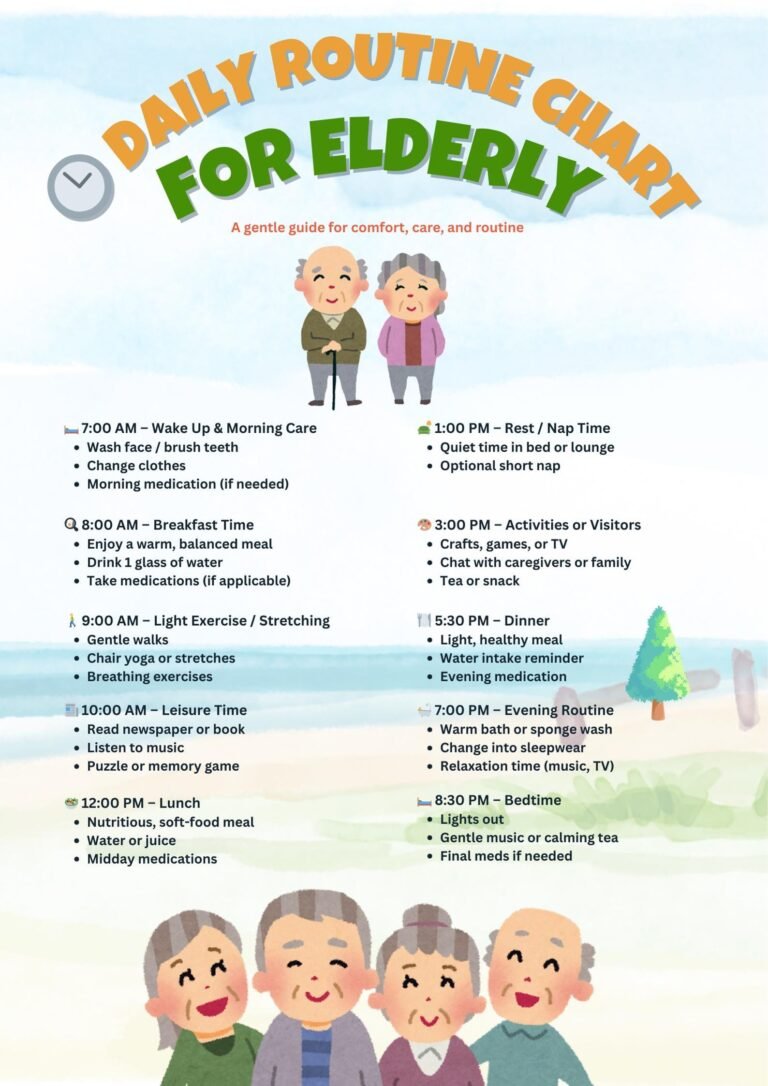
Healthy aging does not mean avoiding every illness or remaining physically unchanged. Age can bring changes in muscle strength, balance, vision, hearing, sleep, and recovery. Chronic conditions may also become more common. Still, many older adults can benefit from regular activity, balanced meals, appropriate preventive care, and plans that reflect their abilities and health needs.
The National Institutes of Health recommends an overall approach to healthy aging that includes physical activity, healthy food choices, adequate sleep, mental health care, regular medical visits, and limits on alcohol. These steps do not stop aging, but they can help support quality of life. A clinician can help adapt activity and other health choices to a person’s medical history and current condition.
Independence also depends on the environment. Good lighting, safe stairs, clear walkways, suitable footwear, and access to transportation can make everyday tasks easier. Planning for these needs before a crisis can help people stay active and retain control over daily decisions.
Source: tbsnews.net
Regular movement
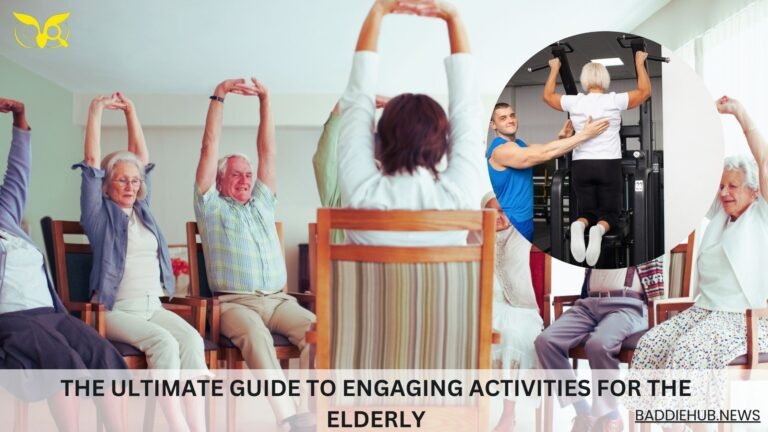
Walking, strength work, balance exercises, swimming, or other suitable activities can support mobility when matched to ability.
Preventive care
Routine checkups, recommended screenings, vaccinations, and medication reviews can help identify issues that need attention.
Safer surroundings
Reducing fall hazards and making daily tasks easier can support confidence and independence at home.
Make Healthy Aging Practical
Choose one realistic habit to improve first. You might add a short walk, establish a regular bedtime, plan more balanced meals, or schedule an overdue checkup. If you have a chronic condition, recent fall, new pain, or trouble with balance, ask a qualified health professional which activities are appropriate before making major changes.
Build gradually
Increase activity at a pace you can maintain instead of trying to change every habit at once.
Ask for support
A clinician, physical therapist, registered dietitian, or other qualified professional can help address specific needs.
7. Clearer Priorities and More Intentional Use of Time
Another benefit of getting older is the chance to become more deliberate about how you spend your time. Years of competing demands may help you see that not every task, argument, or social expectation deserves equal attention. You may feel more willing to protect time for family, rest, health, and activities that give your life meaning.
This change can be especially helpful during retirement or other major transitions. A schedule once shaped by work and school calendars may become more flexible. That freedom can feel uncertain at first, but it also creates room to decide what a good week should include.
Clearer priorities can improve decisions about money, work, and relationships. For example, a person might choose a smaller home that is easier to maintain, reduce commitments that cause stress, or spend more time with close friends. These choices are personal, and they depend on finances, housing options, caregiving duties, and other practical limits.
Aging does not mean that every decision becomes easier. New health needs, fixed income, or family responsibilities may limit choices. Even so, identifying your top values can help you use the resources you have with greater purpose.
Source: media-stg.assettype.com
More intentional choices
You can weigh new commitments against what matters most instead of saying yes out of habit.
Greater appreciation
Small pleasures, such as a shared meal, a walk, or time outdoors, may take on deeper meaning.
Room to simplify
You may decide to reduce clutter, streamline routines, or focus on fewer goals that matter more.
A Simple Exercise for Setting Priorities
Write down the five things that matter most to you now. They might include health, family, friendship, learning, faith, service, or financial security. Review your typical week and identify one small change that gives more time or attention to a top priority.
Review your commitments
Keep the activities that support your values and reconsider those that drain time without a clear benefit.
Leave room for change
Your priorities can shift as your needs and circumstances change, so revisit them from time to time.
Frequently Asked Questions
Q
What are the biggest benefits of getting older?
The main potential benefits include greater life experience, stronger self-awareness, more developed coping skills, deeper relationships, clearer priorities, and opportunities to pursue meaningful interests. Some people also gain more freedom after retirement or changes in family responsibilities. The benefits vary from person to person and depend on health, finances, social support, and life circumstances.
Q
Does getting older make people happier?
Not always. Some research finds that life satisfaction can remain stable or improve through parts of adulthood, while other research using repeated measurements of the same Americans finds that life satisfaction declines as people age beyond 65. Health problems, the loss of loved ones, financial strain, and isolation can affect well-being. Happiness is shaped by more than age alone.
Q
Can you learn new skills after 50 or 60?
Yes. Adults can learn new languages, use technology, study academic subjects, develop creative skills, and explore unfamiliar hobbies later in life. Learning speed and memory may change with age, but this does not mean learning must stop. Regular practice, manageable goals, good sleep, and a supportive learning environment can help.
Q
How can older adults stay positive about aging?
Focus on what you can influence, such as maintaining relationships, trying enjoyable activities, caring for your health, and setting realistic goals. Avoid comparing your life with an ideal image of youth or with other people’s circumstances. It is also reasonable to acknowledge grief, illness, or frustration. If low mood or anxiety persists or disrupts daily life, seek help from a qualified health professional.
Q
What is the best way to age healthily?
A practical approach includes regular physical activity suited to your abilities, balanced nutrition, adequate sleep, social contact, mental health care, preventive medical visits, and management of existing health conditions. Reducing fall risks and reviewing medicines with a clinician may also help. There is no single routine that fits everyone, so personal health needs should guide decisions.
Q
How can someone find purpose after retirement?
Start by identifying the activities and relationships that matter most to you. Consider volunteering, mentoring, taking classes, pursuing a hobby, helping family, or joining a community group. Try one manageable activity before making a large commitment. Purpose can come from small, regular contributions as well as major goals.
✦ Wrapping Up
Conclusion
The benefits of getting older can include wisdom, emotional growth, stronger relationships, more intentional choices, new interests, and a deeper sense of purpose. Later life can offer a valuable chance to use what you have learned and focus more closely on the people and activities that matter to you. These gains do not erase the challenges of aging, and no single experience represents every older adult.
The most useful approach is to build on your strengths while addressing the needs that may come with age. Stay connected with others, keep learning, maintain healthy habits, and ask for help when a problem becomes difficult to manage alone. Small actions can support a more active, connected, and meaningful life at any age.
💡 Key Takeaway
Choose one practical step for this week: contact a friend, begin a hobby, plan a health appointment, explore a local class, or volunteer for a cause you value. Start with an action that fits your current needs and build from there.