To start gardening at home, choose a sunny spot, select a few easy plants, use suitable soil and containers, water as needed, and check your plants often. Start small, learn from each growing season, and add more plants as your skills improve.
In the United States, home gardening can fit almost any living space, from a small apartment balcony in New York to a sunny backyard in Texas or a patio in California. You do not need a large yard, costly tools, or years of experience to begin. A few pots, good potting mix, and plants suited to your local climate can help you create a useful and enjoyable garden.
The best way to learn how to start gardening at home for beginners is to keep the first garden simple. Choose plants that match your available light, space, and local growing season. Learn how to water, check the soil, and spot common plant problems before adding more varieties. These basic skills can help you grow herbs, flowers, vegetables, and other plants with less waste and frustration.
This guide explains how to choose a growing space, prepare containers or garden beds, select beginner-friendly plants, and build a practical care routine. It also covers common mistakes, seasonal planning, and simple ways to solve problems when plants do not grow as expected. Local climate, soil conditions, and plant needs vary, so use your area’s planting calendar and trusted local gardening advice when making final choices.
Source: kapanlagi.com
1. Decide What You Want to Grow
Before buying seeds or plants, decide what you want your garden to do. You might want fresh herbs for cooking, vegetables for meals, flowers for color, or leafy plants to brighten an indoor space. Your goal helps you choose suitable plants, containers, soil, and care routines.
Beginners often have better results with a small garden than with many plants at once. Each plant has its own needs for light, water, space, and temperature. Starting with a few varieties makes it easier to learn those needs and notice problems before they spread.
Think about how much time you can spend on care. Some plants need frequent harvesting, pruning, or watering, while others need only occasional attention. Choose plants that fit your routine rather than creating a garden that becomes difficult to maintain.
Source: music.apple.com
For cooking
Try basil, parsley, chives, or other culinary herbs suited to your light and climate. Choose herbs you already use in meals so the garden has a clear purpose.
For fresh produce
Consider lettuce, radishes, bush beans, or compact tomato varieties when the season and available sunlight suit them. Check each crop’s spacing and growing requirements before planting.
For flowers
Choose locally suitable annuals or perennials. Native plants can be useful options because many are adapted to regional conditions once established.
For indoor spaces
Consider plants such as pothos or snake plants when their light needs match your room. Check pet safety before bringing new plants into a home with animals.
Set a Realistic Beginner Gardening Goal
A useful first goal is to keep two or three plants healthy for several weeks and learn what they need. If you choose herbs, your goal might be to harvest a few leaves regularly. If you grow vegetables, you might aim to harvest one small crop during the appropriate season.
Avoid judging your progress only by how much you harvest. Strong roots, healthy new growth, and fewer plant problems are also signs that your gardening skills are improving.
2. Choose the Best Place for Your Home Garden
The right location makes gardening easier because light, temperature, drainage, and access to water all affect plant growth. Walk around your home and look for a spot where you can reach plants without moving heavy objects or blocking doors and walkways. A small, convenient growing area is often more useful than a large area that is difficult to reach.
For outdoor gardens, observe how sunlight moves across the space during the day. A location that looks bright in the morning may be shaded by a building or tree later. For indoor gardens, check the direction of your windows and whether nearby buildings, curtains, or trees reduce the light.
If you plan to grow food, also consider possible sources of contamination. Soil near old painted structures, busy roads, industrial sites, or buildings with an uncertain history may need assessment before edible crops are planted. Raised beds with clean soil and safe water can help in some situations, but they do not replace testing when contamination is a concern.
Source: saifulbd2.blogspot.com
Understand How Much Sunlight Plants Need
Sunlight is one of the main factors that determines which plants will thrive. Many fruiting vegetables, including tomatoes and peppers, need around six to eight hours of direct sun each day for good production. Leafy greens and some herbs can tolerate less direct sunlight, although growth may be slower.
Full sun generally means at least six hours of direct sunlight per day, while partial sun or partial shade usually means fewer direct hours or a mix of sun and shade. Exact definitions vary among plant references, so follow the requirements for the specific plant you choose.
Track sunlight at the intended growing spot over a clear day before purchasing plants. If the area receives little direct light, choose plants adapted to shade or consider a suitable indoor grow light for plants that need more light than your windows provide.
Sunny outdoor areas
Often suit tomatoes, peppers, cucumbers, and many flowering plants when temperature, soil, and seasonal conditions are appropriate.
Partly shaded areas
May suit lettuce, spinach, some herbs, and shade-tolerant flowers. Check local temperature limits because many leafy crops struggle in intense summer heat.
Bright indoor windows
Can support several houseplants and some herbs. Edible plants may need additional light if the window does not provide enough direct sun.
Check Your Local Climate and Planting Season
In the United States, growing conditions differ greatly by region. A gardener in Florida may be able to grow certain crops during cooler months, while a gardener in Minnesota may need to wait until spring temperatures rise. The best planting dates depend on the crop, local weather, and whether the plant tolerates frost.
The USDA Plant Hardiness Zone Map helps gardeners understand average annual extreme minimum winter temperatures, which is especially useful when choosing perennial plants. It does not tell you the complete planting calendar or guarantee that a plant will thrive in a particular yard.
Use local Cooperative Extension gardening resources for planting calendars, crop recommendations, and advice on regional pests. Your county or state Extension service can offer guidance that accounts for local soil, rainfall, and seasonal conditions.
3. Choose Between Containers, Raised Beds, and In-Ground Gardening
You can start a home garden in pots, raised beds, or an existing patch of ground. The best option depends on your space, budget, mobility, drainage, and the plants you want to grow. Containers are often the simplest starting point for renters, apartment dwellers, and people who want to move plants when conditions change.
A raised bed offers more room for roots and can make planting and maintenance easier when its height and layout suit the gardener. An in-ground garden can provide plenty of growing space, but the soil may need testing, weed removal, or improvements before planting.
No single method is best for every home. Choose the setup that lets you provide the right light, soil, water, and root space without creating more work than you can manage.
Source: linkedin.com
Container Gardening for Small Spaces
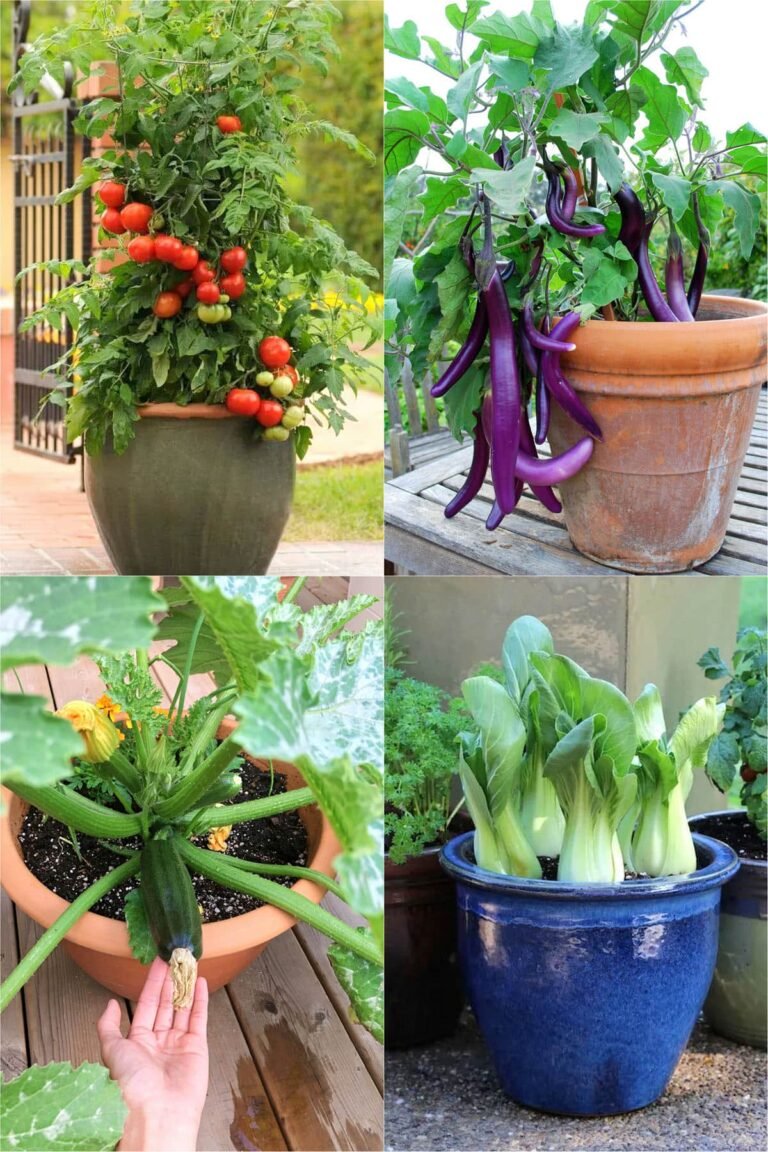
Container gardening is a practical way to grow plants on patios, balconies, porches, and other suitable spaces. Use pots made from materials intended for planting and make sure each container has drainage holes. Excess water needs a way to escape so roots do not remain waterlogged.
Match the container size to the plant’s mature root system. Small herbs may grow well in modest pots, while tomatoes and other large vegetables usually need larger containers with enough depth and volume to support their roots. Follow the plant label or a trusted growing guide rather than choosing a pot only by appearance.
Place saucers beneath pots when needed to protect surfaces, but empty standing water after watering. Check balconies and other elevated areas for weight limits, drainage rules, and any building restrictions before setting up a large container garden.
Choose suitable containers
Use clean pots, grow bags, or other food-safe containers with drainage. Avoid containers that may release harmful substances into the growing medium.
Use potting mix
Choose a quality potting mix designed for containers. Garden soil alone is often too dense for pots and may drain poorly.
Plan for watering
Small containers and grow bags can dry out faster than garden beds, especially in hot, windy weather. Check moisture more often during these conditions.
Raised Beds and In-Ground Gardens
Raised beds can provide more control over soil composition and drainage. They are useful when the existing ground is compacted, poorly drained, or difficult to work. Fill them with a suitable growing medium and leave enough room to reach plants from the sides without stepping on the soil.
In-ground gardens can be economical when suitable soil is already available. Remove weeds, loosen compacted areas when appropriate, and use a soil test to guide changes. Do not add large amounts of lime, fertilizer, or other amendments without knowing whether the soil needs them.
For edible crops, use safe materials and clean soil sources. If you suspect lead or another contaminant, contact your local Extension service or a qualified soil-testing laboratory for guidance on sampling and safe growing options.
4. Gather the Basic Gardening Tools and Supplies
You can begin gardening without buying a large collection of tools. A few useful supplies make planting and routine care easier, but the needs of a container herb garden differ from those of a large vegetable plot. Buy the items required for your first plants and add other tools only when a clear need arises.
Before purchasing supplies, check whether you already have suitable pots, a watering can, gloves, or a small hand tool. Clean reused containers and confirm that they have proper drainage. Reusing safe materials can reduce waste and keep startup costs manageable.
Source: arabikey.com
Containers or garden space
Choose pots, a raised bed, or a prepared garden plot that suits your available space and the mature size of the plants.
Potting mix or suitable garden soil
Use a container-specific growing medium for pots. For ground beds, assess the existing soil and make changes based on plant needs and soil-test results.
Watering can or hose
Choose a method that lets you water near the soil without washing away seeds or damaging tender seedlings.
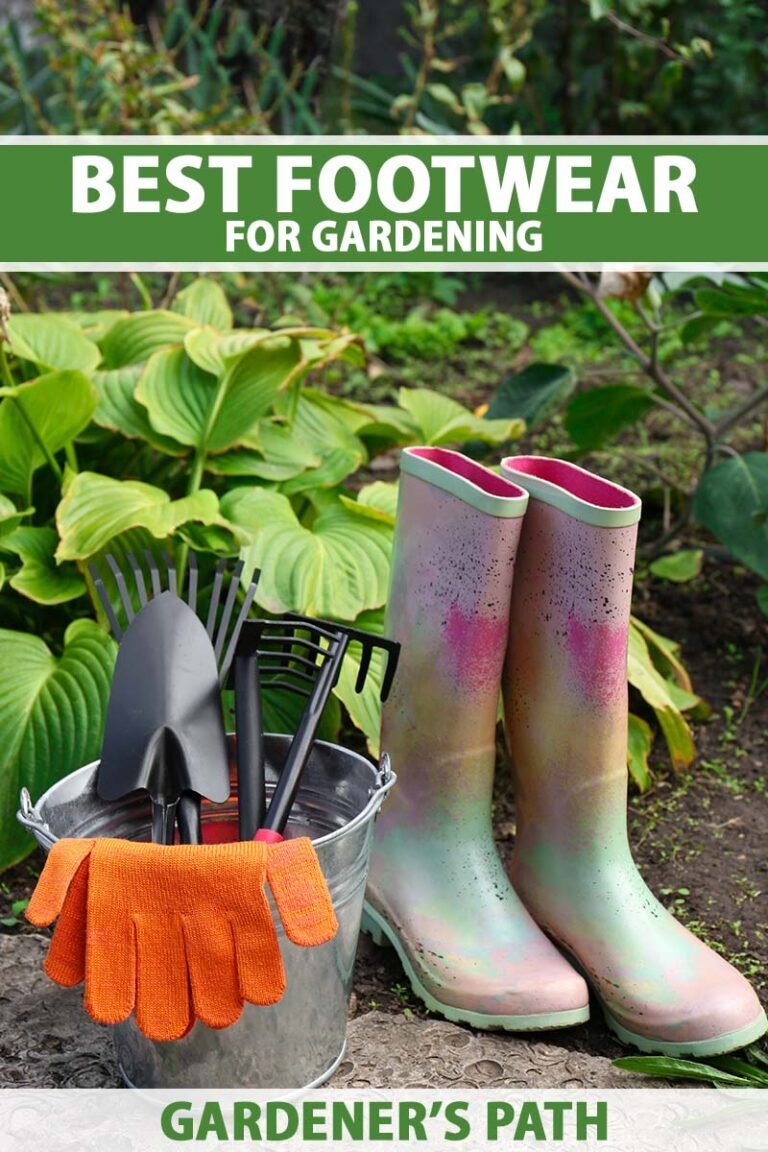
Hand trowel and gloves
A small trowel helps with planting and transplanting. Gloves can protect your hands from rough surfaces, irritants, and some soil-related hazards.
Plant labels and a notebook
Record plant names, sowing dates, watering observations, and harvest dates so you can learn which methods work.
Seeds or young plants
Choose varieties suited to your climate and available light. Seedlings can provide a simpler start for some crops, while seeds are often economical for plants that grow readily from seed.
How Much Should a Beginner Spend?
The cost of a first garden depends on the number and size of containers, the growing medium, plant choices, and tools already available. There is no single reliable startup price for every US household because local prices and garden sizes differ.
A small container garden can often begin with a few pots, a bag of suitable potting mix, and a small number of herb plants or seed packets. Start with the essentials, then spend more only when you know what your plants need.
5. Prepare the Soil Before Planting
Healthy growing media support roots, hold water, allow air to reach the roots, and supply or retain nutrients. Different plants have different soil needs, so the right preparation depends on whether you are planting in containers, raised beds, or the ground.
For most home containers, use a commercial potting mix designed for the type of plants you are growing. These mixes are made for container conditions and generally provide better aeration and drainage than ordinary yard soil. Follow the package directions and avoid packing the mix tightly around roots.
For in-ground gardens, begin by examining the soil’s texture, drainage, and history. A soil test can provide information about pH and nutrient levels, helping you avoid unnecessary amendments. Your local Cooperative Extension service can explain how to collect a sample and interpret the results.
Source: www.thestar.com.my
Understand Soil Drainage
Good drainage allows excess water to leave the root zone while retaining enough moisture for plants to use. If soil stays saturated for long periods, roots may lack oxygen and become vulnerable to decay. If it drains too quickly, plants may dry out and need more frequent watering.
Before planting in the ground, observe how the area behaves after rain or irrigation. In containers, water should flow through the drainage holes rather than remain trapped at the bottom. Do not add a layer of gravel to the bottom of a pot as a substitute for proper drainage; use a suitable mix and an open drainage hole instead.
Use Fertilizer Carefully
Fertilizer supplies nutrients, but more is not always better. Excess nutrients can damage roots, harm plant growth, and wash into nearby waterways. The right fertilizer and application rate depend on the crop, growing medium, and product label.
Some potting mixes contain a starter fertilizer, while others do not. Read the label before adding more nutrients, especially when planting seedlings with delicate roots. For garden soil, base major nutrient additions on a soil test and follow label instructions for any product you use.
6. Select Easy Plants for Your First Garden
Beginner-friendly plants are those that fit your growing conditions and do not require complicated care. The easiest plant for one person may be difficult for another if the light, climate, or available space is different. Read the seed packet or plant label before buying and check that you can meet its basic needs.
Herbs, leafy greens, radishes, bush beans, and compact vegetable varieties can be useful starting points when local conditions are suitable. Some crops grow quickly from seed, while others are easier to start as young plants. Flowers that suit your local climate can also help you practice watering, pruning, and seasonal care.
Source: kapanlagi.com
Beginner-Friendly Herbs
Herbs are useful for a small home garden because many can be grown in containers and harvested in modest amounts. Basil generally prefers warmth and good light, while parsley can tolerate cooler conditions. Chives may return year after year in suitable climates, but their winter behavior depends on the region and growing setup.
Mint grows vigorously and can spread through underground stems, so keeping it in a separate container can make it easier to control. Rosemary generally needs strong light and well-drained soil, and it may struggle with cold winters outdoors in some parts of the country.
Basil
A useful warm-season herb for a sunny location. Avoid planting it outdoors while cold conditions remain a threat.
Parsley
A versatile herb that can grow in containers or garden beds with suitable light and regular moisture.
Chives
A compact herb that can suit pots and small beds. Harvest leaves as needed without removing too much growth at once.
Mint
A vigorous herb best grown in its own container when you want to prevent it from spreading through the garden.
Beginner-Friendly Vegetables
Vegetables differ in their space, temperature, and sunlight needs. Radishes may be ready to harvest in a few weeks under suitable conditions, but the exact timing depends on the variety and weather. Leaf lettuce can also provide an early harvest, although hot conditions may cause some varieties to bolt, or produce flowers and seeds sooner than desired.
Bush beans can be easier to manage than climbing beans when you have limited vertical space. Compact tomatoes may work in containers, but they still need enough sunlight, room for roots, and consistent moisture. Follow the seed packet for planting depth, spacing, and expected maturity rather than assuming every variety grows at the same rate.
Radishes
Often a fast crop for cool weather. Harvest near the maturity time listed on the seed packet to reduce the risk of tough or overly large roots.
Leaf lettuce
Useful for containers and small beds when temperatures are suitable. Provide consistent moisture and some shade during hot weather if the variety and climate call for it.
Bush beans
A practical warm-season option for sunny beds or sufficiently large containers. Plant after frost risk has passed and the soil has warmed as needed for the crop.
Compact tomatoes
Suitable for some container gardens when the pot is large enough and the plant receives strong direct sunlight.
7. Plant Seeds or Transplant Young Plants Correctly
Once your growing space and supplies are ready, follow the planting instructions for each crop. Seeds and young plants need different handling, but both depend on suitable moisture, temperature, and root space. Planting at the correct depth and spacing helps reduce early growing problems.
Seed packets usually list sowing depth, spacing, temperature preferences, and expected days to maturity. Some seeds need light to germinate, while others need to be covered with soil. Do not use one planting depth for every seed; small seeds may need only a light covering, while larger seeds can often be planted deeper.
When transplanting a young plant, water it as appropriate before moving it and handle the root ball gently. Set it at the depth recommended for that species, firm the surrounding mix lightly, and water to settle the roots. Avoid burying stems that are not meant to be buried or leaving roots exposed above the growing medium.
Source: music.apple.com
A Simple Step-by-Step Planting Method
Prepare the container or bed first so the plant does not sit out of its growing medium for too long. Check the plant label, make a hole of the required depth, and position the seed or seedling according to the instructions. Water gently and label the planting with the variety and date.
After planting, keep the growing medium evenly moist as needed for germination or root establishment. Do not assume that more water will make a seed sprout faster. Waterlogged conditions can reduce oxygen around roots and encourage seed or root decay.
Step 1: Read the instructions
Check planting depth, spacing, temperature, and whether the seed should be started indoors or sown outdoors.
Step 2: Prepare the growing medium
Loosen or fill the planting area and moisten it as needed without making it soggy.
Step 3: Plant at the correct depth
Follow the seed packet or plant label rather than using a general depth for every plant.
Step 4: Water gently
Use a fine spray or gentle stream so seeds stay in place and young roots are not disturbed.
Step 5: Monitor growth
Check moisture and light, then thin seedlings when required by the growing instructions.
Should Beginners Start With Seeds or Seedlings?
Seeds often cost less per plant and provide a wider choice of varieties. They work especially well for crops that grow readily when sown directly, such as radishes and many beans. However, seeds need the right conditions to germinate, and some plants take a long time to reach a harvestable size.
Seedlings cost more per plant but can save time for crops that benefit from an early start. They are often a convenient choice for tomatoes, peppers, and certain flowers. Choose healthy plants with firm stems and no obvious signs of pests or disease.
8. Water Your Garden the Right Way
Watering works best when it matches the plant’s needs, root depth, weather, and growing medium. A fixed rule such as watering every day can cause problems because pots, beds, and plants dry at different rates. Check the soil before watering and adjust your routine when temperatures or rainfall change.
For many established plants, watering the root zone is more useful than wetting the leaves. Apply water slowly enough for it to soak in rather than run off the surface. Containers may need more frequent checks than garden beds because their limited soil volume can dry quickly in sun or wind.
Newly sown seeds and recently transplanted seedlings need special attention because their roots are small and their growing medium can dry out quickly. Keep conditions appropriate for the crop, but do not leave the roots sitting in standing water. As plants mature, adjust watering to their deeper root systems and changing growth needs.
Source: arabikey.com
How to Tell When Plants Need Water
The surface of the soil can look dry while the lower root zone is still moist. Check below the surface with a finger or use another suitable moisture-checking method. For larger pots, feel the mix at more than one depth when practical.
Wilting can indicate a lack of water, but it is not a reliable sign on its own. Plants may also wilt because their roots are waterlogged, damaged, or stressed by intense heat. Check the growing medium before adding more water so you do not make the problem worse.
Dry growing medium
If the root zone is dry and the plant’s needs call for watering, apply water thoroughly and allow excess water to drain.
Wet growing medium
Delay watering when the root zone remains wet, unless the plant has a specific need for consistently moist conditions and the current moisture level is appropriate.
Hot or windy weather
Check containers and exposed plants more often because water may be lost faster than usual.
Recent rainfall
Check whether rain actually reached the root zone before watering. Roofs, leaves, and sheltered locations can keep containers or beds dry.
Water at a Useful Time of Day
Early morning is often a practical time to water outdoor gardens because plants can take up moisture before the hottest part of the day. Watering at soil level also limits unnecessary wetting of foliage. If a plant is severely dry, water it when you notice the problem rather than waiting for a preferred time.
Use water efficiently by directing it to the root area and repairing leaks in hoses or irrigation systems. Mulch around suitable outdoor plants can help reduce moisture loss and suppress weeds, but keep mulch away from stems and avoid using a thick layer around small seedlings.
9. Feed, Prune, and Maintain Your Plants
Routine maintenance helps plants use their growing space well and makes it easier to spot problems early. Check leaves, stems, soil moisture, and new growth several times each week. A brief inspection is often more useful than waiting until a plant looks seriously damaged.
Fertilize only when the plant and growing medium need extra nutrients. Container plants may require regular feeding because watering can carry nutrients out through drainage holes, but the correct schedule depends on the mix, crop, and fertilizer. Too much fertilizer can cause leaf damage, excessive leafy growth, or poor flowering and fruiting.
Pruning is useful for some plants but unnecessary or harmful for others. Remove dead or badly damaged plant parts with clean tools when appropriate, and follow species-specific advice for shaping herbs, flowers, and vegetables. Do not remove large amounts of healthy growth without a clear reason.
Source: saifulbd2.blogspot.com
Keep Weeds Under Control
Weeds compete with garden plants for light, water, space, and nutrients. Pull small weeds when the soil is moist enough for their roots to come out easily, and remove them before they produce seeds. In containers, check the growing medium regularly because weeds can appear even in purchased mixes.
Mulch can reduce weed growth in many outdoor beds. Use a suitable organic mulch, such as clean shredded leaves or untreated plant material, where appropriate for the crop. Keep it away from plant stems and avoid covering small seeds that need light to germinate.
Check Plants for Pests and Disease
Look under leaves and along stems for insects, webbing, holes, sticky residue, discoloration, or unusual spots. A few damaged leaves do not always mean that a plant needs treatment. Identify the likely cause first, since watering issues, nutrient problems, and environmental stress can resemble pest damage.
If you find insects, begin with the least disruptive response that suits the problem. Hand removal, a strong but gentle water spray, or removing badly affected plant parts may help with some pests. If a pesticide is necessary, choose a product labeled for the plant and pest, follow every label direction, and protect people, pets, pollinators, and nearby water sources.
Inspect new plants
Check purchased seedlings and houseplants for pests before placing them close to established plants.
Keep tools clean
Clean tools after use and when moving between plants with suspected disease to reduce the chance of spreading pathogens.
Avoid unnecessary spraying
Identify the problem before choosing a treatment. Some insects are beneficial, and broad pesticide use can harm pollinators and other helpful organisms.
10. Follow a Simple Weekly Gardening Routine
A steady routine makes gardening easier to manage and helps you notice small changes before they become larger problems. You do not need to spend hours in the garden every day. A few short checks, combined with more thorough care when needed, can keep a small garden on track.
Your routine should change with the weather and the stage of plant growth. Newly planted seeds and seedlings need closer moisture checks than established plants with deeper roots. During heat waves, strong winds, or extended dry periods, you may need to check containers and outdoor beds more often.
Source: linkedin.com
Several times each week
Check soil moisture, look for wilted leaves, and inspect plants for signs of pests or disease. Water only when the plant and soil conditions call for it.
Once a week
Remove weeds, inspect containers and drainage holes, and check whether plants have enough space for new growth.
As needed
Prune dead growth, support taller plants, adjust plant positions, and apply fertilizer only according to the plant’s needs and product directions.
At harvest time
Harvest crops when they reach the recommended stage, handle produce safely, and record what grew well.
Keep a Gardening Journal
A simple notebook can help you understand why one plant grows well while another struggles. Record the plant variety, planting date, location, sunlight, watering changes, pest problems, and harvest dates. Over time, these notes can reveal patterns that are hard to remember from day to day.
You can also take photos from the same angle every week to track growth. Compare changes over time instead of expecting every plant to look the same. Differences in variety, age, temperature, and light can all affect growth.
11. Common Beginner Gardening Problems and How to Fix Them
When plants struggle, start with the simplest checks: soil moisture, light, drainage, temperature, and recent changes in care. Avoid adding fertilizer or spraying pesticides before you have a reasonable idea of the problem. A symptom can have more than one cause, so look at the whole plant and its growing conditions.
Source: arabikey.com
Yellow Leaves
Yellow leaves can result from overwatering, underwatering, nutrient deficiencies, poor drainage, pests, or natural aging. Check whether the soil is too wet or too dry and inspect the roots and leaves if the problem continues. If the plant is otherwise healthy and only its oldest leaves are yellowing, the change may be part of normal growth.
What to check
Review recent watering, drainage, light exposure, and fertilizer use before changing several things at once.
Slow Growth or Weak Stems
Slow growth can occur when a plant receives too little light, grows in cold conditions, lacks nutrients, or has limited root space. Weak, stretched stems often suggest that a plant is reaching for more light, especially when seedlings grow indoors near a dim window.
Move the plant only if the new location suits its light and temperature needs. For indoor seedlings, introduce stronger light gradually when necessary and keep the light source at the distance recommended for the equipment. Avoid placing grow lights where they could overheat leaves or create an electrical hazard.
Wilting Despite Frequent Watering
A wilted plant may be thirsty, but frequent watering can also leave roots without enough oxygen. Check the soil below the surface and make sure the pot drains freely. If the mix is saturated, allow excess water to drain and investigate the cause rather than adding more water.
Root damage, extreme heat, and transplant stress can also cause wilting. Protect a newly transplanted plant from harsh conditions when appropriate and allow it time to establish, while avoiding prolonged dryness or waterlogged soil.
Few Flowers or Little Fruit
Plants may produce few flowers or fruits because they lack sunlight, are exposed to unsuitable temperatures, receive too much nitrogen, or have not reached the right stage of growth. Some crops also need pollination, and fruit set can be reduced during extreme heat or cold.
Check the variety’s growing requirements and expected maturity before making changes. For tomatoes and peppers, confirm that the plants receive adequate direct sunlight and suitable watering. Do not assume that extra fertilizer will solve a problem caused by light, temperature, or pollination.
Seeds Do Not Germinate
Seeds may fail to sprout when they are planted too deeply, kept too wet or too dry, exposed to unsuitable temperatures, or past their useful storage life. Some species also need special conditions, such as a period of cold, before germination.
Check the seed packet for the correct depth and temperature. Keep the growing medium at the moisture level required by the species and allow the expected germination period to pass before deciding that the seeds have failed.
12. Make Your Home Garden Safer and More Sustainable
A home garden should be safe for the people who use it, as well as for pets, wildlife, and nearby waterways. Wear suitable gloves when handling rough plants or soil, wash your hands after gardening, and store fertilizers and pesticides in their original containers away from children and animals. Follow product labels and avoid mixing garden chemicals unless the label specifically directs you to do so.
If you grow food, use clean water suitable for edible crops and avoid harvesting produce that may have been contaminated by unsafe soil, untreated waste, or chemical drift. Wash produce under running potable water before eating it. When soil contamination is suspected, obtain advice from a qualified laboratory or local Extension service before deciding how to grow food safely.
Sustainable practices can reduce waste and make routine care easier. Collect rainwater where local rules and conditions permit, choose plants suited to local rainfall, reuse safe containers, and add organic matter where it is appropriate. Avoid wasting water or fertilizer in an effort to force faster growth.
Source: saifulbd2.blogspot.com
Support Pollinators and Beneficial Insects
Flowering plants can provide food for bees, butterflies, and other pollinators when they bloom at suitable times. Choose native plants suited to your region when possible, since local species can support local wildlife. Provide a range of flowering periods when space allows, and avoid unnecessary pesticide use around flowering plants.
Not every insect in the garden is harmful. Lady beetles, lacewings, and other beneficial insects can help control some pests. Identify insects before taking action, and use the least disruptive approach that can manage the actual problem.
Reduce Water and Material Waste
Water at the root zone, check for leaks, and use mulch where it suits the plant to reduce unnecessary water loss. Group containers with similar watering needs when practical, but do not place plants together if their light or temperature requirements conflict.
Compost can help recycle suitable plant waste into a useful soil amendment. Keep diseased plant material and invasive weeds out of a home compost pile unless the composting method can safely manage them. Never add pet waste to compost intended for edible gardens.
13. A Simple Four-Week Plan for Your First Home Garden
A short plan can turn gardening from a vague idea into a manageable project. The schedule below is a practical starting point, not a promise that every plant will be ready in four weeks. Germination and growth depend on the crop, season, temperature, and care.
Source: linkedin.com
Week 1: Plan and Prepare
Choose your growing goal and identify a suitable spot. Observe sunlight, check available space, select two or three plants, and gather the supplies you need. For outdoor planting, check local planting dates and the expected weather before sowing.
Main task
Prepare containers or beds, obtain the right growing medium, and read the plant labels.
Week 2: Plant and Observe
Sow seeds or transplant young plants according to their instructions. Water gently and record the planting date. Check the growing medium often enough to maintain the moisture conditions required by the crop.
Main task
Confirm that containers drain properly and that each plant receives suitable light.
Week 3: Adjust Your Care
Look for new growth, changes in leaf color, and signs of pests. If seedlings are crowded, thin them as directed. Adjust watering when weather changes, but avoid making several major changes at the same time unless there is an urgent problem.
Main task
Use plant growth and soil moisture to guide care instead of relying on a fixed schedule.
Week 4: Review and Learn
Review your notes and identify what is working. Some fast-growing crops may be approaching harvest, while many herbs, flowers, and fruiting vegetables will need more time. Check expected maturity dates and continue normal care rather than harvesting too early.
If a plant struggles, revisit its light, water, drainage, temperature, and root space. Make one sensible adjustment at a time when possible, then observe the result. Once your first plants are growing well, decide whether to add another container or try a new crop.
Main task
Record what you learned and use it to plan the next planting.
Frequently Asked Questions
Q
How do I start gardening at home with no experience?
Start with two or three easy plants that match your available sunlight and space. Use containers with drainage holes or a prepared garden bed, choose suitable growing media, and follow the planting instructions for each plant. Check soil moisture and inspect your plants regularly. Expand your garden after you understand the basic care routine.
Q
What is the easiest plant to grow at home?
The easiest plant depends on your growing conditions. Radishes and leaf lettuce can be useful beginner crops in suitable weather, while basil and chives can be practical herb choices where light and temperature meet their needs. Pothos may be an option for an indoor ornamental plant in suitable light. Check each plant’s care requirements before choosing.
Q
Can I start a garden without a backyard?
Yes. You can grow many herbs, flowers, and compact vegetables in containers on a suitable balcony, patio, porch, or bright indoor windowsill. Choose plants according to the available light and container size, and make sure excess water can drain safely. Follow building rules and check balcony weight limits before adding large pots or raised planters.
Q
How often should beginners water their garden?
There is no universal watering schedule. Check the moisture around the roots and water when the plant’s needs and soil conditions call for it. Containers may dry faster than garden beds, especially in hot or windy weather. If the soil is already wet, adding more water may damage the roots.
Q
What month should I start gardening in the United States?
The best month depends on your location, crop, and local weather. Some warm-climate areas support cool-season gardening during fall and winter, while colder regions may need to wait until spring. Use your local Cooperative Extension planting calendar and the crop’s frost and temperature requirements rather than relying on one national start date.
Q
Do I need special soil for container gardening?
Most container plants grow best in a suitable potting mix rather than ordinary garden soil. Potting mixes are designed to provide a balance of air, water retention, and drainage in a limited space. Choose a mix suited to the plant and container, and make sure the pot has open drainage holes.
Q
Why are my new garden plants dying?
Common causes include too much or too little water, inadequate sunlight, unsuitable temperatures, poor drainage, transplant stress, pests, and disease. Check the soil moisture and growing conditions first. Change the care routine based on the likely cause, and seek local Extension guidance when the problem persists or you suspect a serious pest or disease.
✦ Wrapping Up
Conclusion
Learning how to start gardening at home for beginners is easier when you begin with a clear goal and a small growing space. Choose plants that match your light, climate, and available time. Prepare suitable soil or potting mix, plant at the correct depth, and water according to actual soil moisture and plant needs.
As your garden grows, keep checking for pests, poor drainage, nutrient problems, and changes in weather. Use local planting calendars and reliable Cooperative Extension resources to guide decisions that depend on your region. You do not need to get every step right the first time; each planting gives you a chance to learn what works in your space.
💡 Key Takeaway
Start today by choosing one sunny or suitably bright growing spot, selecting two beginner-friendly plants, and gathering containers with drainage and the right growing medium. Plant them according to their labels, record the date, and check soil moisture regularly. Build your garden one successful step at a time.
Learn how to sterilize gardening tools with safe cleaning methods, effective disinfectants, step-by-step instructions, and tips to prevent plant diseases.