The word elderly is not always offensive, but it can sound outdated, dismissive, or disrespectful when it reduces older adults to their age. In the United States, older adults, older people, and seniors are often useful alternatives. The most respectful choice depends on context, personal preference, and how the word is used.
In the United States, the words we use for older people can shape how we view aging, independence, health, and social roles. A person may hear the word elderly at a doctor’s office, in a news report, on a government website, or during a family conversation. Although the word has a long history of use, some people feel it suggests weakness, dependence, or poor health. Others use it without any negative intent.
The question is not simply whether elderly is a bad word. The more useful question is whether the term describes a person accurately and treats that person with dignity. A 70-year-old who works full time, cares for family, travels, or enjoys an active social life may not identify with a label that suggests frailty. At the same time, a person receiving specialized care may encounter the term in a clinical setting where the intended meaning is descriptive rather than insulting.
This guide explains when elderly may cause offense, how it differs from terms such as older adult and senior, and which words work best in American healthcare, journalism, workplaces, and everyday conversations. It also explains how to discuss aging without relying on stereotypes or making assumptions about someone’s abilities.
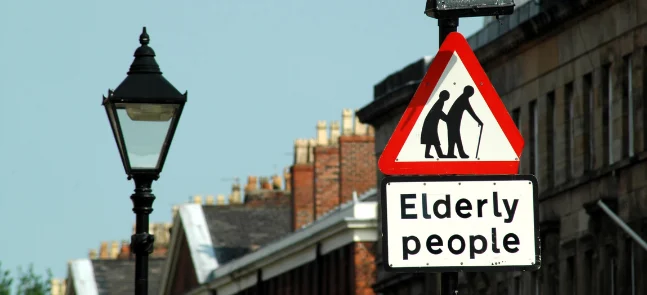
Source: www.youtube.com > Forever Young
Is Elderly an Offensive Term?
Elderly is not inherently offensive, but it can be insensitive in some situations. The word generally refers to people who are old or advanced in age. However, it has no single universal age threshold, and its emotional meaning can vary between individuals, communities, and settings.
In American English, the word may sound respectful when used carefully in an established context. It may sound patronizing when a speaker uses it to imply that all older people are weak, confused, dependent, or unable to make their own choices. The surrounding words and the speaker’s attitude often matter as much as the term itself.
For most general writing, older adults or older people are practical alternatives. They describe age without automatically suggesting frailty. If a person has a stated preference, using that preference is often the clearest way to show respect.
There is no single word that every older American prefers. Some people identify comfortably as seniors or elderly, while others dislike both labels. Respectful communication means avoiding assumptions and choosing words that fit the person and the purpose of the discussion.
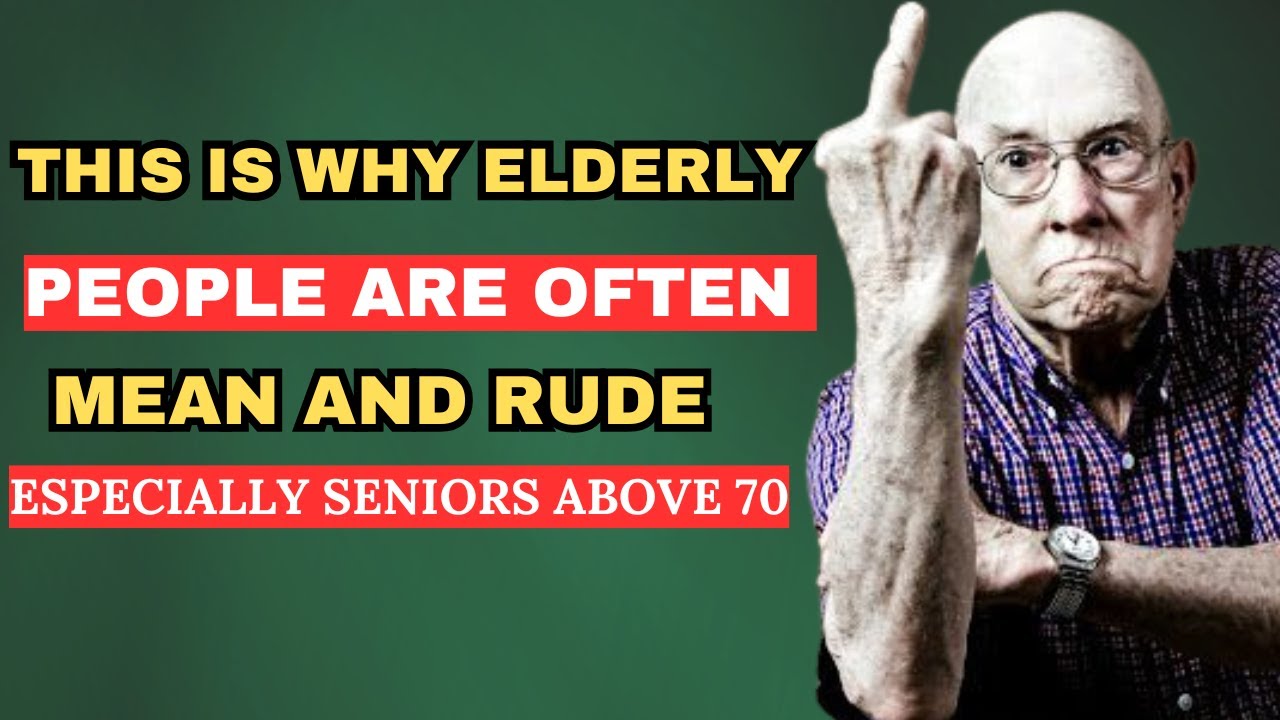
Source: bioedge.org
Usually acceptable
A factual discussion of aging that uses elderly in a neutral, relevant way and does not imply that everyone in the group has the same abilities or needs.
Potentially disrespectful
A remark that uses elderly as shorthand for helplessness, incompetence, poor judgment, or an inability to live independently.
Often a better choice
Older adult or older person when discussing a broad age group in public information, healthcare education, workplace policies, or general articles.
Why the Word Can Make People Uncomfortable
The word can carry associations that go beyond chronological age. In some settings, people hear elderly and picture someone who is frail, isolated, or dependent on others. That picture does not represent the full range of lives, skills, and circumstances found among older adults.
The concern becomes greater when the label replaces a person’s identity. Calling someone an elderly patient, for example, may be relevant in a limited clinical description. Referring to someone only as an elderly person throughout a story can make the individual seem less distinct than the younger people being discussed.
Language also changes over time. A term that seemed neutral to one generation may feel limiting to another. This does not mean every older person rejects elderly. It means writers and speakers should pay attention to context and avoid treating any single label as universally preferred.
It may imply frailty
Age does not establish whether someone is strong, active, disabled, ill, or independent.
It can erase individuality
A broad label may hide a person’s name, interests, experience, and personal circumstances.
It may reinforce ageism
When the word appears alongside negative assumptions, it can support unfair beliefs about people based on age.
What Is the Difference Between Elderly, Older Adults, and Seniors?
The main difference is tone and context. Elderly often emphasizes advanced age, older adult is a comparatively neutral descriptive phrase, and senior is a familiar term used in many American community and service settings. None of these words is automatically right or wrong in every situation.
The phrase older adult is common in health education and professional discussions because it describes an age group without directly suggesting weakness. Older person is also clear and natural. Senior may be useful when discussing senior centers, senior services, or programs that use that name.
The phrase senior citizen has a long history in the United States and remains widely understood. However, some people find it formal or old-fashioned. It may be appropriate when referring to an organization or program that officially uses the term, but it is not necessary in every conversation.
The phrase the elderly deserves extra care. It turns an adjective into a collective label for a diverse group. The same issue can arise with phrases such as the young or the disabled, especially when the wording makes people seem like a single, uniform category.
Source: societemag.com
Older adult
A neutral, widely useful term for general informational articles, healthcare discussions, and public communication.
Older person or older people
Clear, natural wording for everyday conversation, journalism, and descriptions of individuals or groups.
Senior
A familiar American term for community programs, senior centers, services, and many everyday situations.
Senior citizen
A recognizable but sometimes formal label that works when it matches a program’s established name or the person’s preference.
Elder or elders
A term that may express respect, wisdom, or a recognized community role, especially in some cultural and Indigenous contexts. Its meaning depends on the community.
The elderly
A collective phrase that may sound impersonal. Older adults or older people often make a more person-centered alternative.
Is Older Adult Better Than Elderly?
Older adult is often the better default for neutral American English. It communicates that age is relevant without automatically describing the person as frail or dependent. It is especially useful in healthcare education, research summaries, public services, and general informational content.
However, older adult is not a universal requirement. Some people prefer senior, older person, elder, or simply their name and role. A phrase can be respectful in one setting and awkward in another, so the purpose of the message matters.
For example, a public health article might say, Older adults can benefit from regular physical activity suited to their abilities. A family member speaking directly to a loved one would usually sound more natural by using the person’s name or discussing the specific activity rather than applying an age label.
Best general default
Use older adult or older person when a neutral description of age is needed.
Best for a named program
Use the official wording of a service, center, or benefit when identifying that specific program.
Best for direct conversation
Speak to the person as an individual and use the wording they prefer.
How Ageist Language Affects Older Adults
Ageist language can reinforce unfair assumptions about people as they grow older. Ageism refers to stereotypes, prejudice, or discrimination related to age. It can affect people of different ages, but older adults may face assumptions that they are less capable, less adaptable, or less valuable because of their years.
The word elderly does not create ageism on its own. The problem arises when it becomes part of a pattern that treats older people as a burden or assumes that their lives are defined by decline. Describing a whole group as helpless, for example, can influence how readers think about its members even when the writer intends to be sympathetic.
The World Health Organization identifies ageism as a concern that can affect health, well-being, and opportunities. Language is one part of this wider issue, alongside policies, social practices, and personal behavior. Replacing a single word cannot solve discrimination, but careful wording can help avoid reinforcing harmful beliefs.
Respectful language also supports clear communication. Rather than assuming that an older person cannot use technology, manage money, or make medical decisions, a speaker can ask what assistance, if any, the person needs. This approach respects individual ability and gives people a chance to express their own needs.
Source: hellocare.com.au
Avoid assumptions about ability
Do not infer memory, hearing, mobility, judgment, or technical skill from a person’s age alone.
Avoid speaking down to adults
Use an adult tone and ordinary vocabulary unless the person asks for a different approach or an accessibility need calls for an adjustment.
Avoid treating support as a loss of dignity
A person may need help with one task while remaining independent in many other areas of life.
Recognize differences within the age group
People of the same age may have very different health conditions, cultural backgrounds, jobs, goals, and support networks.
Does Calling Someone Elderly Count as Ageism?
Not necessarily. The word alone does not prove that a speaker holds a biased view or intends to offend. Its use may be neutral, descriptive, or required by the context of a particular discussion.
The wording is more likely to contribute to ageism when it is used to mock someone, dismiss an opinion, suggest incompetence, or justify unfair treatment. For example, saying that a colleague’s idea should be ignored because the colleague is elderly expresses an age-based stereotype rather than a neutral description.
A useful test is to ask whether the person’s age is relevant to the point being made. If it is not relevant, removing the age label may make the sentence more accurate and respectful. If age is relevant, choose a clear term and explain the actual circumstances instead of relying on stereotypes.
Neutral description
The report discusses services available to older adults in a community.
Potential ageist assumption
The speaker assumes that an older employee cannot learn new software without checking the employee’s actual skills.
When Is It Appropriate to Use the Word Elderly?
Elderly can be appropriate when it serves a clear descriptive purpose and does not reduce people to a stereotype. The right choice depends on the audience, the type of writing, and whether the word adds useful information. When a more neutral term communicates the same point, older adult is often the easier option.
In American healthcare, social services, news reporting, and public education, writers should favor precise descriptions. A report about mobility support, for example, is more informative when it describes the actual service and the people eligible for it than when it simply refers to elderly people as a single group.
There are situations in which the word may appear in an established phrase, quotation, official document, or organization name. Changing such wording without checking the source can make a reference inaccurate. Writers should preserve official names and direct quotations when needed, while using respectful language in their own explanatory text.
It is also useful to distinguish a person’s age from a person’s condition. If a person needs help with bathing, walking, medication management, or daily activities, describe that need accurately when it is relevant. Do not assume that all older people need the same level of support.
Source: glenvalevillas.com.au
Healthcare communication
Use the language preferred by the patient and the applicable clinical setting. Describe a specific diagnosis, support need, or functional limitation when it matters.
News and journalism
Use older adults or older people in general reporting, and include age only when it is relevant to the story.
Government and public services
Follow official program terminology, but use plain and respectful wording in explanations written for the public.
Family conversations
Choose language that feels natural to the person. A name or family role may be more personal than an age-based label.
Research and academic writing
Define the age range being studied and use the terminology of the relevant field consistently. Do not treat elderly as a precise age category unless the source defines it that way.
Why Context Matters More Than a Fixed Age Cutoff
There is no single age at which every American becomes elderly. Some services use a defined age threshold for eligibility, while researchers may use specific age ranges for a study. Everyday conversation often uses the word more loosely.
A 65-year-old and a 95-year-old may have very different needs, but age alone cannot tell the full story. Two people of the same age may differ greatly in health, work, social connections, and daily routines. For that reason, writers should name the relevant age range or condition when precision matters.
When a term needs a clear boundary, define the group instead of relying on a vague label. For example, a study may refer to adults aged 65 and older if that is the study’s actual inclusion criterion. That wording is more precise than assuming that elderly has one fixed meaning.
For a defined population
State the exact age range used by the relevant policy, study, or program.
For a broad audience
Use older adults or older people unless another term better fits the context.
Respectful Alternatives to Elderly in American English
The best alternative is usually the simplest term that accurately describes the person or group. Older adult and older person work well when age matters, while a person’s name or role is often better when age does not matter. Terms such as senior and elder can also fit particular communities and situations.
Writers should avoid searching for a perfect replacement that everyone will accept. No term has universal approval. A practical goal is to use neutral wording, respect stated preferences, and describe actual circumstances rather than making assumptions.
The following table compares common choices and explains when each may be useful. It is a practical editorial guide, not a rule that overrides a person’s preference or an organization’s formal terminology.
Source: snhhealthcare.com
Use person-centered wording
Describe people as individuals rather than making age the main feature of their identity.
Use specific language
If a discussion concerns a particular age range or support need, name it directly.
Respect local and cultural meaning
A term such as elder may carry a special role or meaning within a particular community.
A Practical Guide to Choosing the Right Term
For general American audiences, older adult is a strong default in educational and professional writing. Older person and older people often sound more natural in everyday prose. Senior is useful when discussing community services, but a writer should not assume that every person over a particular age identifies with the label.
Use elder when it reflects a person’s role or a community’s own terminology. In some Indigenous communities, elders hold specific cultural, spiritual, or leadership roles. Treating elder as a generic synonym for any older person may overlook that meaning.
Avoid terms that imply helplessness or treat older people as a burden. Phrases such as old folks may sound affectionate in some personal relationships but patronizing in formal communication. Similarly, expressions that describe a person as over the hill or past their prime can frame age as a loss of worth.
Prefer
Older adults, older people, older patients when medically relevant, and the person’s chosen name or role.
Use with context
Senior, senior citizen, elder, and elderly when the situation, official wording, or individual preference supports the choice.
Avoid
Labels or jokes that imply incompetence, weakness, uselessness, or a lack of dignity because of age.
How to Talk About Aging Without Being Disrespectful
Respectful communication begins by focusing on the person rather than the age label. Before describing someone as elderly, ask whether age is relevant to the subject. If the detail does not help the reader understand the situation, leaving it out may be the best choice.
When age is relevant, use a neutral description and give enough context to avoid stereotypes. A statement about an older adult learning a new digital skill, for example, should focus on the learning process and available support rather than suggesting that technology is naturally beyond the person’s ability.
Direct conversation also requires attention to tone. Speaking slowly or loudly to every older person can feel patronizing, especially when the person has not asked for that adjustment. Ask whether the person would like help, listen to the answer, and respond to the person’s actual needs.
A respectful approach does not mean avoiding all discussion of aging, disability, or illness. Clear language can help people make informed decisions and access services. The goal is to discuss relevant facts without turning those facts into judgments about a person’s worth or capabilities.
Source: walpolestudentmedianetwork.com
Ask instead of assuming
Ask whether someone wants assistance before taking over a task they may be able to do independently.
Use adult language
Avoid baby talk, unnecessary pet names, and a tone that treats an adult like a child.
Focus on the actual issue
Discuss a person’s access needs, preferences, skills, or health condition rather than attributing everything to age.
Respect the person’s choice
If someone tells you which term they prefer, use it unless accuracy or a specific formal requirement prevents it.
Examples of Respectful and Less Respectful Wording
Small changes can make a sentence clearer without making it longer. The aim is not to police every word but to remove assumptions that add no useful information.
Consider the difference between describing a person’s actual circumstances and guessing those circumstances from age. The more specific sentence is usually more useful because it tells the reader what is happening instead of relying on a broad label.
Less respectful
The elderly cannot keep up with modern technology. More respectful: Some older adults may benefit from accessible technology training, just as people of any age may.
Less respectful
We need to take care of the elderly. More specific: The program provides home support to older adults who need help with daily tasks.
Less respectful
She is too elderly to make that decision. More respectful: Discuss her decision-making ability based on the relevant facts, not her age alone.
Less respectful
The elderly woman does not understand the internet. More respectful: The woman asked for help using the website, so the staff member explained the steps.
Less respectful
He is just an old man. More respectful: He is an older man with his own views, experience, and preferences.
Common Mistakes to Avoid When Writing About Older People
The most common mistake is to treat a word choice as the whole issue. Replacing elderly with older adult will not make a sentence respectful if the sentence still portrays every older person as helpless or incapable. Writers should review both the label and the claim attached to it.
Another mistake is to assume that avoiding offense requires never mentioning age. Age can be relevant to healthcare, retirement policy, research, social programs, and personal stories. Removing it when it is central to the subject may make the information less clear.
Writers should also avoid describing a group as though all its members share one life experience. Older Americans differ in income, culture, family structure, disability status, health, employment, and access to care. A useful article recognizes these differences without turning them into a list of stereotypes.
Finally, do not assume that one preferred term applies across every community. A term used by a specific organization may differ from the term preferred by an individual. If the preference is known, honor it; if it is unknown, use neutral wording and remain open to correction.
Source: hellocare.com.au
Do not use age as a substitute for evidence
Avoid claims about memory, competence, or independence unless relevant evidence supports the specific statement.
Do not overgeneralize
Use wording that allows for differences among individuals rather than suggesting that all older people behave alike.
Do not confuse kindness with accuracy
Use clear descriptions of real needs and circumstances instead of vague or sentimental language.
Do not ignore stated preferences
If a person explains that a label feels uncomfortable, choose another accurate term when possible.
A Simple Editing Checklist
Before publishing an article or sending a message about older adults, review the wording with a few practical questions. These checks help keep the writing accurate, useful, and respectful without adding unnecessary complexity.
Check relevance
Does the reader need to know the person’s age to understand the point?
Check accuracy
Does the chosen term match the actual age range, role, or circumstance being described?
Check tone
Could the sentence imply weakness, incompetence, or dependence without evidence?
Check individuality
Would using a person’s name, role, or specific need make the sentence clearer?
Check preference
Has the person or community indicated a preferred term?
What American Organizations Can Do to Promote Respectful Language
Organizations in the United States can promote respectful language by adopting clear writing guidance and applying it consistently. Healthcare systems, employers, schools, newsrooms, and community groups can use neutral terms in their own communications while allowing for official names and individual preferences.
A useful policy explains why a term is preferred rather than simply banning a word. For example, a style guide may recommend older adults in general informational writing because the phrase is neutral and clear. It can also explain when elderly remains appropriate, such as in a quotation or a formal title that must be reproduced accurately.
Training should cover behavior as well as vocabulary. Staff members should learn to ask before offering help, communicate directly with older adults, and avoid assumptions about technology skills, physical ability, or decision-making. This approach makes respectful communication part of everyday practice rather than a narrow editing rule.
Organizations should also listen to the people their services affect. Feedback from older adults can reveal whether public materials feel welcoming, whether instructions are easy to understand, and whether a label creates an unnecessary barrier. No single style guide can replace that direct feedback.
Source: Age UK
Create a practical style guide
Recommend neutral terms, explain exceptions, and give examples of wording that avoids stereotypes.
Review public materials
Check websites, forms, brochures, policies, and service descriptions for vague or patronizing labels.
Train staff
Teach employees to communicate with older adults as adults and to respond to individual needs.
Invite feedback
Ask older community members to review language and suggest improvements to services and materials.
Should Organizations Ban the Word Elderly?
A universal ban is not necessary to encourage respectful communication. A clearer approach is to recommend neutral alternatives in ordinary writing, identify contexts where the word may be useful, and prohibit discriminatory conduct rather than relying on a single-word rule.
A workplace or healthcare organization can still choose a more specific house style. The policy should explain its scope and allow appropriate use in official names, direct quotations, and contexts where accuracy requires a particular term.
The goal is not to create fear around language. It is to help people communicate accurately, avoid stereotypes, and respond respectfully when someone says that a term does not suit them.
Set a preferred default
Use older adults or older people in general communication unless another term is more accurate.
Keep justified exceptions
Preserve formal titles and quotations where changing the wording would alter the reference.
Address conduct directly
Respond to mockery, unequal treatment, or discriminatory decisions rather than assuming a word alone proves intent.
Frequently Asked Questions
Q
Is elderly a politically incorrect word?
Not in every context. Elderly remains a recognized English word and is not automatically disrespectful. However, some people find it outdated or associated with frailty. Older adult or older person is often a safer neutral choice in American public writing.
Q
What is the most respectful term for elderly people?
Older adults and older people are useful neutral terms for a general audience. The best choice for an individual is the term that person prefers. In some communities, senior or elder may be more appropriate, depending on personal, cultural, and organizational context.
Q
At what age is someone considered elderly in the United States?
There is no single age that universally defines elderly in the United States. Different programs, studies, and services use different age thresholds. Some public programs use age 65 as an eligibility point, but that does not mean everyone becomes elderly at 65 or shares the same health and support needs.
Q
Is it rude to call someone a senior citizen?
Not necessarily. Senior citizen is widely understood in American English and appears in the names of many services and programs. Some people find it formal or outdated, so senior, older adult, or the person’s name may be more natural in a particular conversation.
Q
Is the phrase the elderly offensive?
The phrase is not always offensive, but it can sound impersonal because it groups many different people under one label. Older adults or older people often sound more respectful and direct. Use a more specific description when the people being discussed share a relevant characteristic or support need.
Q
Why do some older adults dislike the word elderly?
Some people associate elderly with weakness, dependence, illness, or loss of independence. Others may feel that it overlooks their identity and individual experiences. Preferences vary, however, and some people are comfortable with the word. Asking or following a stated preference is the most reliable approach.
Q
Can elderly be used in medical writing?
It can appear in medical writing, but precise and person-centered wording is often preferable. Writers should identify the actual age range, diagnosis, functional limitation, or support need when relevant. They should also follow the terminology and style guidance used by the clinical organization or publication.
Q
How can I correct someone who uses elderly in a way I dislike?
You can explain your preference calmly and offer an alternative. For example, you might say, I prefer older adult because it describes my age without suggesting that I am frail. If the term is being used to mock or dismiss someone, address the disrespectful behavior as well as the wording.
✦ Wrapping Up
Conclusion
So, is elderly an offensive term? The answer depends on context, tone, and personal preference. The word is not inherently insulting, but it can feel disrespectful when it suggests that older people are weak, dependent, or less capable simply because of their age.
In American English, older adult and older person are useful neutral alternatives for most general writing. Senior may fit community services and familiar everyday settings, while elder can carry a distinct cultural or community meaning. The most effective choice is the one that communicates the facts without reducing a person to a stereotype.
Respectful language does not require avoiding every reference to age. It requires using age information when it matters, describing people accurately, and listening when someone expresses a preference. By focusing on individual identity and real circumstances, families, employers, healthcare workers, and writers can discuss aging with greater clarity and respect.
💡 Key Takeaway
When writing for a general American audience, choose older adults or older people as your default. Use elderly only when it fits the context, avoid linking age with unsupported assumptions, and respect the words individuals choose for themselves.
Learn what are four misconceptions about older adults and how facts about aging challenge harmful stereotypes about health, memory, independence, and happiness.
Learn how to be successful after 50 with practical steps for career growth, better health, financial security, stronger relationships, and lasting purpose.