To find meaning in life after 50, reflect on your values, build strong relationships, explore new interests, care for your health, and use your time in ways that feel worthwhile. Start with small actions that bring purpose, joy, or connection to your daily life.
In the United States, turning 50 can bring a new view of work, family, health, and the years ahead. Some adults prepare for retirement, while others continue working, care for aging parents, support adult children, or begin life again after a major change. These shifts can raise a simple but deep question: What makes life meaningful now? There is no single answer, and you do not need to have your future mapped out to begin.
Learning how to find meaning in life after 50 starts with looking at what matters to you today. Your old goals may no longer fit, and that is not a failure. You can build a rewarding life through close relationships, useful work, learning, service, faith or personal beliefs, creative projects, and time spent caring for yourself. The aim is not to make every day perfect. It is to shape a life that reflects your values and gives you good reasons to look forward to tomorrow.
Source: dailyamardesh.com
What Does It Mean to Find Purpose After 50?
Finding purpose after 50 means choosing activities, relationships, and goals that make your life feel worthwhile. Purpose may come from raising a family, helping others, doing paid work, creating art, learning, serving a community, or living by your beliefs. It can also come from simple acts, such as caring for a pet or spending time with people you love.
Meaning and happiness are related, but they are not the same. Happiness often describes a pleasant feeling, while meaning can come from something valuable even when it takes effort. Caring for a family member, for example, may bring stress and fatigue as well as love and a sense of duty.
There is no age limit for personal growth. You may find that your priorities change as you gain experience or face new limits. A meaningful life at 55 may look different from one at 35, and it may change again at 70. The goal is to find a balance between what matters, what you can do, and what gives you a sense of connection to the world.
Source: rupalibangladesh.com
Purpose
A reason to use your time and energy, such as teaching, caring, creating, or serving others.
Meaning
A sense that your experiences and choices fit your values and contribute to a life you respect.
Fulfillment
A feeling that important needs, interests, and relationships have a place in your daily life.
Why Your Priorities May Change With Age
By 50, many people have spent years meeting duties at work and home. When children become more independent, a career changes, or retirement comes closer, familiar roles may take up less space. That change can feel freeing, unsettling, or both.
A change in priorities does not mean that your earlier choices were wrong. It may mean you now have more experience to guide your next steps. You might value time with friends more than professional status, or prefer a quieter life with room for travel, learning, and rest.
Accept change
Allow your goals to change without judging yourself for outgrowing old plans.
Keep what matters
Hold on to the values and relationships that still support the life you want.
1. Reflect on What Matters Most to You
Start by identifying the values that matter most in your life today. Values are the principles you want your choices to reflect, such as kindness, independence, family, learning, faith, creativity, honesty, or service. They help you decide where to spend your time when you cannot do everything.
You do not need a long list. Choose three to five values that feel important now, then ask how often your current routine supports them. If family matters to you but most evenings are spent alone, you might schedule a regular call or shared meal. If learning matters, you could set aside time for a class or a new skill.
Give yourself permission to answer honestly. Your values may differ from those of your friends, relatives, or former coworkers. You do not have to follow someone else’s idea of success to create a meaningful life.
Source: dhakamail.com
Review your best moments
Think about times when you felt useful, connected, curious, peaceful, or proud. Look for the values behind those moments.
Name what you want to protect
Choose the relationships, habits, and interests you do not want your schedule to crowd out.
Notice what drains you
Identify duties or routines that take time without supporting a genuine need or responsibility.
Use a Simple Values Exercise
Take 15 minutes to write down five moments from your life that felt worthwhile. They might include raising a child, solving a difficult problem, helping a friend, learning something new, or spending a peaceful day outdoors. For each moment, write one reason it mattered.
Review your answers and look for repeated themes. If you often mention helping people, service may be a core value. If you remember creative work, you may want more time to make things. Pick one theme and turn it into a small action for the coming week.
Example
If you feel most alive when sharing knowledge, consider tutoring, mentoring a younger colleague, or teaching a skill at a community center.
Measure progress
At the end of the week, ask whether the activity felt worthwhile and whether you would like to repeat it.
2. Set New Goals That Fit Your Current Life
New goals give your days direction and help you see possibilities beyond your past roles. After 50, you may want to change careers, improve your fitness, visit new places, learn an instrument, or become more involved in your community. Your goals do not need to be large to matter.
Choose goals that match your interests, resources, health, and available time. A useful goal should be clear enough to act on but flexible enough to change when life gets in the way. Instead of saying that you want to enjoy life more, decide to spend one afternoon each week on an activity you enjoy.
Avoid comparing your progress with people who have different resources or responsibilities. A friend may travel often, while you find meaning in a garden, a book club, or time with family. Both paths can be valuable if they reflect the person’s own values.
Source: jugantor.com
Choose one personal goal
Pick something that interests you rather than something you feel pressured to achieve.
Break it into small steps
Set a task you can complete this week, such as researching a course or walking for 10 minutes when appropriate for your health.
Review your progress
Check your plan each month and adjust it if the goal no longer fits your needs.
Try a 30-Day Personal Challenge
A short challenge can help you explore a new direction without making a major commitment. Choose one activity and practice it for 30 days, using a pace that fits your health and schedule. You could write for 10 minutes, try a new recipe each week, attend a community event, or learn basic computer skills.
At the end of the month, consider three questions: Did I enjoy this? Did it add value to my life? Do I want to continue, change it, or try something else? Even if you stop, the experiment can teach you what you want more or less of in the next stage of life.
Keep the cost low
Use free library resources, community classes, public parks, or skills you already have before paying for a course or membership.
Focus on learning
Treat the challenge as a way to explore your interests, not a test of your worth or discipline.
3. Build Stronger Relationships and Social Connections
Relationships can provide belonging, support, shared memories, and reasons to take part in daily life. If work slows down or family members move away, you may lose some of the regular contact that once filled your week. Building new connections can help replace that lost structure.
You do not need a large social circle. A few trusted people can offer meaningful companionship, while casual contact with neighbors, classmates, or community members can make daily life feel more connected. The most useful step is to create regular opportunities to see or speak with others.
Social connection takes effort, especially if you have been isolated for a long time or feel unsure about meeting new people. Begin with a familiar person or a low-pressure activity. Repeated contact often makes conversation easier and gives relationships time to grow.
Source: bd24live.com
Reconnect with people
Call an old friend, arrange lunch with a former coworker, or reach out to a relative you miss.
Join a group
Try a walking club, library event, hobby group, faith community, or local class that meets on a regular schedule.
Make room for new friendships
Ask questions, share interests, and attend more than once before deciding whether a group suits you.
How to Make Friends After 50
Adult friendships often develop through shared activities and repeated contact. Rather than trying to make a close friend immediately, choose a setting where you can meet the same people over time. A weekly class, volunteer shift, or community garden gives conversation a natural starting point.
Show interest in others without feeling that you must share personal details before you are ready. Suggest a simple follow-up, such as meeting for coffee after class or attending the next event together. If a connection does not grow, keep trying other settings instead of assuming you cannot make new friends.
Start small
Aim to speak with one person at your next event rather than expecting an instant friendship.
Choose shared interests
A common activity can make it easier to find people with similar routines and values.
4. Explore Hobbies and Lifelong Learning
Hobbies give you time to enjoy your interests without judging every activity by income or achievement. They can add variety to your routine, help you meet people, and give you a sense of progress. You may discover an interest that you never had time to explore while raising a family or building a career.
Learning also keeps you engaged with the world. You can study a language, take a cooking class, learn photography, explore local history, practice an instrument, or develop digital skills. Many public libraries, community colleges, parks departments, and community centers in the United States offer affordable or free learning options, though programs and fees vary by location.
Choose activities for the pleasure or value they bring, not because you think every hobby must become a business. If you enjoy woodworking, gardening, reading, or painting, the activity can be worthwhile even if no one else sees the result. Personal interests offer space to grow at your own pace.
Source: jugantor.com
Creative hobbies
Try painting, writing, crafts, photography, music, or cooking to express ideas and explore new skills.
Outdoor interests
Consider gardening, birdwatching, nature walks, or visits to local parks, based on your mobility and health.
Learning activities
Explore library programs, adult education classes, online lessons, or lectures at nearby colleges.
How to Choose the Right Hobby
Start with curiosity. Write down three activities you have always wanted to try and choose the easiest one to begin. Think about cost, travel, physical effort, access to equipment, and whether you prefer to work alone or with others.
Give the activity enough time for you to learn the basics. A first attempt may feel awkward, but that does not mean the hobby is wrong for you. If it remains frustrating after several tries, adjust your approach or test another interest.
For limited budgets
Use public libraries, free community events, borrowed equipment, and beginner materials before making expensive purchases.
Helping others can give your time a clear purpose and strengthen your ties to the community. You may have years of practical knowledge, professional skills, family experience, or patience that can benefit another person. Sharing those strengths can create a sense of contribution without requiring a new career.
In the United States, volunteer opportunities may be available through food banks, public libraries, animal shelters, schools, hospitals, neighborhood groups, parks programs, and local nonprofit organizations. Some roles require training, background checks, travel, or a regular time commitment, so review the duties before agreeing.
Service should fit your needs as well as those of the people you help. If you already care for a spouse, relative, or grandchild, you may have limited time and energy. Choose a role with clear boundaries, and remember that saying no to an extra duty can help you continue giving in ways that remain healthy.
Source: blog.raoud.com
Mentor someone
Share work skills, help a student with a subject you know, or guide someone who is entering your former field.
Support a local cause
Ask a community organization what help it needs and whether the tasks fit your schedule.
Offer small acts of kindness
Check on a neighbor, help someone learn a skill, or prepare a meal for a person who needs support.
How to Find a Volunteer Role That Fits
Begin by deciding what you can offer and what you hope to gain. You may want social contact, a chance to use professional skills, an outdoor role, or a way to support a cause you care about. These goals can help you narrow the options.
Contact one organization and ask about time requirements, training, accessibility, expenses, and the people or animals you would support. If possible, try a short shift before making a long-term commitment. A good role should feel useful without placing too much strain on your health or finances.
Match skills to needs
Look for tasks that use your strengths, such as organizing, tutoring, repairing, cooking, or listening.
Set clear limits
Agree on hours and duties that leave room for rest, family, and your own interests.
6. Redefine Work and Retirement
Work can provide income, structure, social contact, and a sense of contribution. When your career changes or retirement approaches, you may miss some of those benefits even if you welcome more free time. Planning for the emotional and social parts of retirement can be as useful as planning the financial parts.
Retirement does not have to mean leaving all forms of work behind. Some adults choose part-time jobs, consulting, mentoring, seasonal work, or a small business. Others prefer to focus on family, community service, travel, education, or hobbies. The right path depends on your health, finances, interests, and responsibilities.
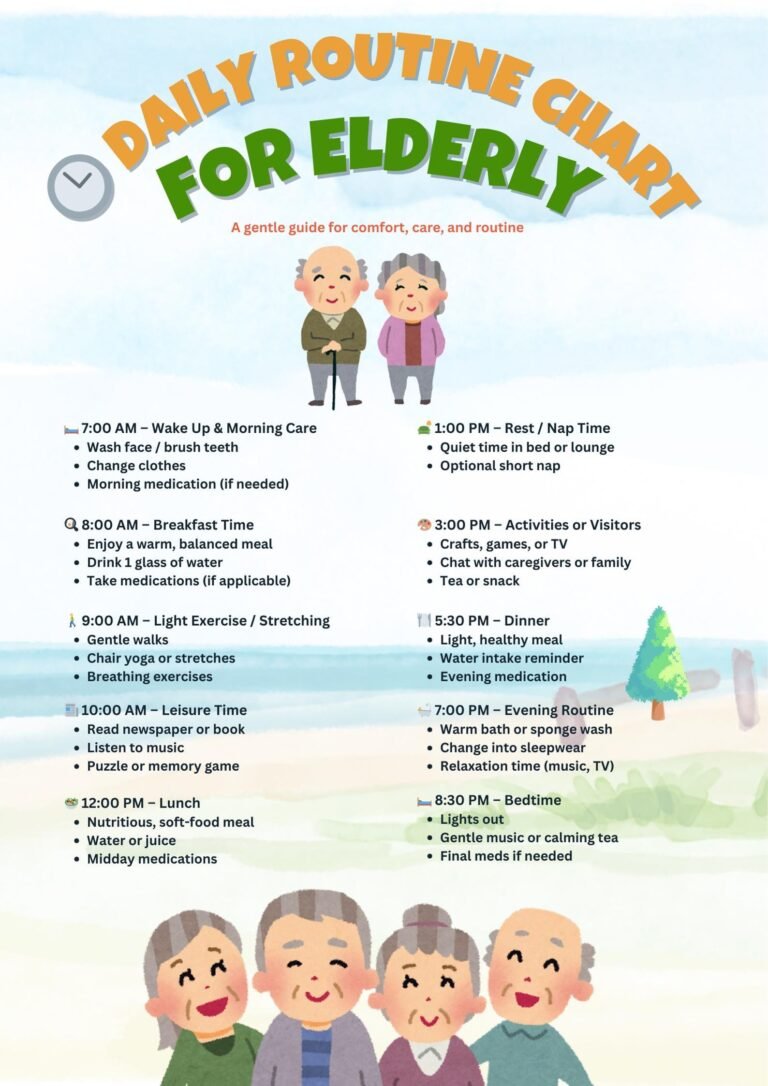
If you are still employed, start exploring how you want your days to look after work becomes less central. If you are already retired and feel adrift, create a weekly routine that includes movement, social contact, meaningful tasks, and time to rest. A planned day can offer structure without making your new life feel like another full-time job.
Source: jugantor.com
Transfer your skills
Consider mentoring, tutoring, consulting, or project-based work if you want to keep using your experience.
Build a weekly routine
Set regular times for exercise, hobbies, errands, friends, and activities that make you feel useful.
Review practical limits
Consider income needs, insurance, transportation, caregiving, and energy before taking on new commitments.
What If Retirement Feels Empty?
An empty feeling after retirement may arise because familiar routines, goals, and social contacts have changed. You may miss the people at work more than the work itself, or you may find that free time feels less rewarding than expected. Give yourself time to adjust rather than judging the entire retirement period by its first few months.
Identify what is missing and replace it with something that meets the same need. If you miss teamwork, join a group project. If you miss a challenge, study a subject or learn a skill. If you miss recognition, take part in a community activity where your contribution is useful and visible.
Replace lost structure
Choose a few recurring activities to give the week shape and a reason to get started each day.
Keep plans flexible
Try different activities before making a major commitment or assuming retirement is not right for you.
7. Take Care of Your Physical and Emotional Health
Health supports your ability to take part in the activities and relationships that give life meaning. Sleep, movement, balanced meals, preventive care, and emotional support can make daily tasks easier and help you maintain independence. You do not need a strict fitness plan to begin caring for yourself.
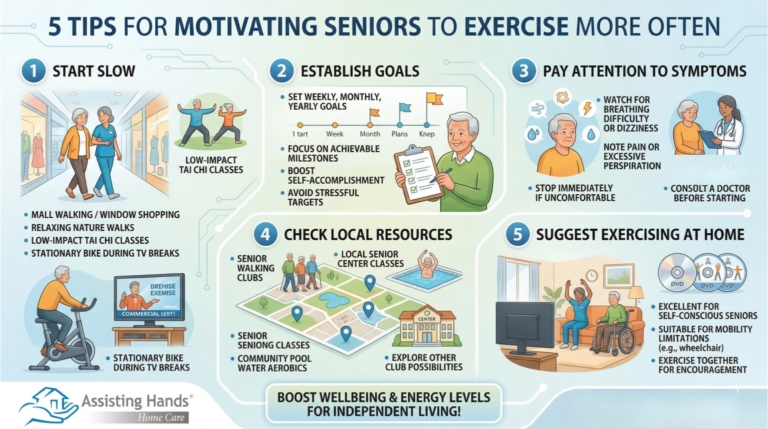
Choose forms of movement that fit your abilities and medical needs. Walking, gardening, gentle stretching, water exercise, dancing, or chair-based activities may be options, depending on your health. If you have a chronic condition, balance concerns, pain, or a long period of inactivity, ask a health professional how to begin safely.
Emotional health deserves the same attention as physical health. Major transitions can bring sadness, worry, anger, relief, or a mix of feelings. Making space for those emotions can help you respond with care rather than feeling that you must remain positive at all times.
Source: rupalibangladesh.com
Protect your sleep
Keep a regular sleep schedule where possible and discuss ongoing sleep problems with a qualified health professional.
Move in a suitable way
Choose an activity you can repeat comfortably and follow medical advice when health concerns affect exercise.
Stay connected to care
Keep up with appropriate checkups and seek help for symptoms that interfere with daily life.
When a Loss of Purpose May Need Extra Support
Feeling uncertain about your future does not automatically mean that you have a mental health condition. However, persistent sadness, loss of interest, hopelessness, major sleep or appetite changes, or difficulty handling everyday tasks may signal that additional support is needed. These symptoms should not be dismissed as a normal part of getting older.
Speak with a health professional or licensed mental health provider if these changes last, worsen, or interfere with your life. A professional can help assess possible causes and discuss suitable care. If you are in the United States and face an immediate mental health crisis, call or text 988 for the Suicide and Crisis Lifeline; call 911 for immediate danger or a medical emergency.
Ask for help early
You do not need to wait until distress becomes severe before talking with a doctor, counselor, or trusted support person.
Do not rely on motivation alone
Professional support, social contact, and manageable daily steps may help when low mood makes action difficult.
8. Find Meaning in Everyday Moments
A meaningful life does not depend on major achievements or exciting events. Ordinary moments can provide comfort, connection, and a sense of being present. A shared meal, a favorite song, a walk outdoors, or a phone call with someone you love may matter more than an impressive milestone.
Try to notice what gives your day value instead of waiting for a perfect future. You might keep a short journal, take photographs, listen to music, care for plants, or spend a few minutes reflecting on something you appreciate. These practices do not remove hardship, but they can help you notice positive experiences alongside difficult ones.
Make room for rest without treating every quiet hour as wasted time. Rest, reflection, and solitude can support a meaningful life when they are chosen freely and balanced with the connection and activity you need. If you feel trapped in isolation rather than refreshed by time alone, consider adding regular contact with other people.
Source: rupalibangladesh.com
Keep a short daily record
Write down one thing you enjoyed, one thing you learned, or one way you helped someone.
Create simple rituals
Enjoy a morning drink, a regular call, a walk, or a reading period that gives your day a pleasant rhythm.
Notice small progress
Recognize efforts such as attending a class, contacting a friend, or completing a task you had put off.
Practice Gratitude Without Ignoring Hardship
Gratitude means noticing what you value, not pretending that everything is fine. You can appreciate a caring friend while grieving a loss, or feel thankful for your home while worrying about money. Both experiences can exist at the same time.
At the end of the day, name one thing you appreciated and why it mattered. It could be a helpful conversation, a meal, a moment of peace, or the chance to try again. If writing feels like a chore, simply pause and think about it.
Be specific
Instead of writing that the day was good, name the conversation, activity, or moment that made it worthwhile.
Keep it honest
Allow difficult feelings to exist alongside gratitude rather than using positive thinking to silence them.
9. Make a Practical Plan for Your Next Chapter
A practical plan turns the search for meaning into actions you can take. You do not need to change every part of your life at once. Begin with a few small commitments that reflect your values and fit your current resources.
Look at four areas: relationships, personal growth, contribution, and well-being. You may want to spend more time with loved ones, learn a skill, help in your community, or build a healthier routine. Choose one action in each area only if it feels manageable; otherwise, start with one or two areas and add more later.
Review your plan after a few weeks. Ask which activities gave you energy, which felt forced, and what barriers made participation difficult. Use those answers to change the plan instead of treating a missed goal as proof that you have failed.
Source: dailyamardesh.com
Start with one week
Schedule one social activity, one personal interest, and one action that supports your health or daily routine.
Make the plan realistic
Allow for work, caregiving, transportation, cost, disability, and the need for rest.
Review and adjust
Keep the activities that feel worthwhile and replace those that do not meet your needs.
A Simple Seven-Day Plan for Finding Purpose
This sample plan offers a gentle starting point. Adjust the days, tasks, and time needed to match your schedule, energy, and interests. You can repeat the plan or spread it over several weeks if that feels more realistic.
Day 1: Reflect
Write down three values that matter to you and one way to express each value.
Day 2: Connect
Call a friend, arrange a visit, or send a thoughtful message to someone you want to reconnect with.
Day 3: Explore
Research one class, hobby group, library event, or volunteer opportunity.
Day 4: Move
Choose a suitable activity that supports your physical well-being and respects any health limits.
Day 5: Contribute
Help someone in a manageable way or identify a community need you could support.
Day 6: Create
Spend time on a personal interest without requiring yourself to produce a perfect result.
Day 7: Review
Notice what felt meaningful, what was difficult, and which activity you want to repeat next week.
10. Overcome Common Challenges When Searching for Meaning
Finding meaning after 50 is not always a smooth process. Financial pressure, health problems, caregiving, grief, divorce, loneliness, and uncertainty about the future can limit your choices. A useful plan recognizes these barriers and works within them rather than expecting them to disappear.
You may also feel pressure to make up for lost time or create an impressive new chapter. That pressure can make ordinary progress seem too small. Remember that a meaningful life does not need to look dramatic from the outside.
When a plan fails, look for the reason before abandoning the goal. You may need a lower-cost activity, a more accessible location, a smaller time commitment, or help from another person. Changing your method is a practical response, not a personal weakness.
Source: bangla.thedailystar.net
When money is limited
Try public libraries, free local events, neighborhood groups, community gardens, and low-cost learning resources.
When energy is low
Break tasks into short periods and choose activities that fit your current abilities.
When fear holds you back
Take one small step, such as making an inquiry or attending an event with a trusted person.
When family needs take over
Discuss shared responsibilities and protect realistic periods for your own interests and rest.
Stop Comparing Your Life With Others
Comparing your life with other people’s lives can make your own progress seem less valuable. You may see friends traveling, starting businesses, or spending time with grandchildren while your circumstances look different. What you see from the outside rarely shows the full range of another person’s responsibilities, worries, or resources.
Use your own values as the measure. If your goal is stronger relationships, a regular phone call may matter more than a costly trip. If your goal is learning, completing a beginner course may be more useful than comparing yourself with someone who has practiced for years.
Set personal measures
Track actions that reflect your own goals rather than social status, income, or other people’s achievements.
Limit unhelpful comparisons
Take breaks from media or situations that repeatedly leave you feeling inadequate, and focus on activities that support your well-being.
Frequently Asked Questions
Q
Is It Too Late to Find a New Purpose After 50?
No. People can explore new interests, develop skills, build relationships, and change their goals at many stages of life. You may need to adapt your plans to your health, finances, or family responsibilities, but you do not need to stop growing because you have reached a certain age. Start with one activity that matters to you and give yourself time to learn from it.
Q
How Can I Find Meaning in Life After 50 If I Feel Lonely?
Begin with regular, low-pressure contact. Call someone you trust, attend a library event, join a class, or take part in a local group that shares your interests. Repeated contact can help relationships develop over time. If loneliness is persistent or comes with ongoing sadness or loss of interest, consider speaking with a health professional or counselor.
Q
How Do I Find Purpose After Retirement?
Identify what work used to provide, such as routine, social contact, challenge, recognition, or a sense of contribution. Then look for new ways to meet those needs. You might volunteer, mentor others, take classes, pursue a hobby, work part time, or plan regular activities with friends. Give yourself time to adjust and change your routine as you learn what feels rewarding.
Q
What Can I Do After 50 If I Have No Hobbies or Interests?
You do not need an established hobby to begin. Make a list of activities you have been curious about, including cooking, gardening, reading, music, crafts, walking, or learning technology. Choose a free or low-cost option and try it for a few weeks. Curiosity often grows through experience, so you do not need to know in advance which activity will become a lasting interest.
Q
Can I Find Meaning in Life After 50 Without a Career or Family?
Yes. A career and family can be important sources of meaning, but they are not the only ones. Friendships, community service, creativity, learning, personal beliefs, caring for animals, and time in nature can also make life worthwhile. Focus on the relationships, activities, and values that matter to you rather than judging your life by a single social expectation.
Q
What If Nothing Feels Meaningful Anymore?
A period of uncertainty can follow a loss, major change, illness, retirement, or prolonged stress. Start with manageable actions, such as maintaining a basic routine, contacting someone you trust, and choosing one small task each day. If loss of interest, hopelessness, or sadness persists or interferes with daily life, contact a qualified health professional. In the United States, call or text 988 for immediate crisis support if you are thinking about suicide or need urgent emotional support.
✦ Wrapping Up
Conclusion
Learning how to find meaning in life after 50 is a personal process, not a task you must complete by a deadline. Your next chapter can include new goals, stronger relationships, useful service, creative interests, better health habits, and greater appreciation for ordinary moments. You can build a meaningful life even when your circumstances differ from what you once expected.
Start by identifying what matters to you now. Choose one small action that supports that value, such as reconnecting with a friend, exploring a hobby, helping someone, or making time for your health. Review the experience and keep adjusting your plans until your daily life reflects more of what you care about.
💡 Key Takeaway
Today, write down three things that make life feel worthwhile to you. Choose one small action you can take this week to support one of them, put it on your calendar, and give yourself permission to begin before you have every answer.
Learn how to be successful after 50 with practical steps for career growth, better health, financial security, stronger relationships, and lasting purpose.