Suitable activities for elderly adults include walking, chair exercises, gardening, reading, puzzles, music, arts and crafts, cooking, games, volunteering, and social gatherings. The best choices match each person’s health, mobility, interests, and comfort level.
Across the United States, older adults can choose from many activities that support an active and rewarding life. Local parks, public libraries, senior centers, community colleges, recreation departments, and programs offered through the Administration for Community Living can help people find ways to stay involved. Activities do not need to be costly or complex to make daily life more enjoyable.
The right activity offers more than a way to pass the time. It can help older adults move their bodies, use their minds, connect with other people, and keep a sense of purpose. A short walk, a family card game, or a few minutes spent caring for plants may be a useful part of a healthy routine.
Age alone does not determine which activities are suitable. A healthy 80-year-old may enjoy hiking, dancing, or swimming, while someone with limited mobility may prefer seated exercise, music, or simple crafts. The safest approach is to begin with personal interests and current abilities, then adapt the activity as needs change.
Source: greatsenioryears.com
Why Are Activities Important for Older Adults?
Regular activities can support physical function, mental engagement, emotional well-being, and social connection in later life. They also give structure to the day and provide opportunities to make choices. A meaningful routine can help an older adult feel involved in family life and the wider community.
The benefits depend on the activity, the person’s health, and how often they take part. A puzzle may offer mental stimulation, while a walk may help maintain movement and balance. A group meal may create an opportunity for conversation and connection.
No single activity provides every benefit. A balanced routine includes several kinds of activities and leaves room for rest, personal preferences, and changes in energy. The goal is not to keep someone busy all day but to help them enjoy life in ways that feel worthwhile.
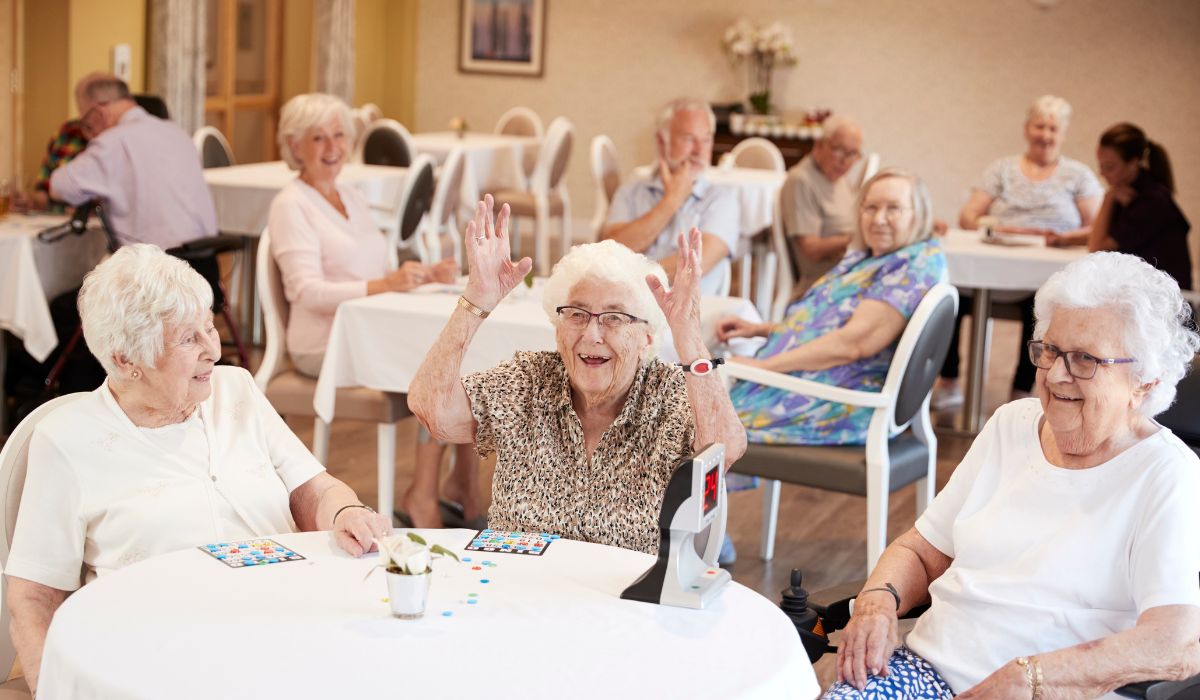
Source: storypoint.com
Physical function
Suitable movement can help maintain strength, flexibility, endurance, and the ability to manage everyday tasks.
Mental engagement
Reading, learning, puzzles, and games give the mind opportunities to work with words, ideas, memories, and problems.
Social connection
Shared meals, clubs, calls, and group activities create chances to build relationships and reduce unwanted isolation.
Purpose and enjoyment
Hobbies, volunteering, cooking, and caring for plants can give older adults a sense of choice, contribution, and personal meaning.
What Physical Activities Are Suitable for Elderly Adults?
Walking, gentle strength exercises, balance practice, stretching, swimming, and chair workouts are common options for older adults. The best choice depends on current fitness, joint comfort, balance, and any medical restrictions. People who have been inactive can begin with brief sessions and increase their activity gradually.
The US Centers for Disease Control and Prevention recommends that adults age 65 and older generally work toward at least 150 minutes of moderate-intensity aerobic activity each week, muscle-strengthening activity on at least two days, and balance activities. This is a general public health goal, not a requirement to start exercising at that level immediately. People who cannot meet these targets because of health limitations should be as active as their abilities and conditions allow.
Physical activity should feel manageable rather than punishing. A person may split movement into short sessions throughout the day. Someone who needs a walker, uses a wheelchair, or has trouble standing can ask a physical therapist or qualified exercise professional about safe adaptations.
Source: moveability.org.uk
Walking
Choose a level, familiar route with safe surfaces and places to rest. Indoor shopping centers or accessible community spaces can offer alternatives when outdoor conditions are poor.
Chair exercises
Seated arm raises, gentle leg extensions, ankle movements, and shoulder rolls can support movement for people who find standing difficult. Use a stable chair without wheels.
Gentle stretching
Slow shoulder, ankle, and leg movements can help maintain comfortable range of motion. Avoid bouncing, forced stretches, and movements that cause pain.
Strength exercises
Light resistance bands, suitable hand weights, or controlled sit-to-stand practice can help build or maintain strength when performed with proper technique.
Water exercise
Water walking and suitable aquatic classes may reduce joint loading. Pool entry, water depth, supervision, and the person’s ability to manage in water must be considered.
Dancing
Simple steps, seated dancing, or a low-impact class can combine movement with music and social interaction.
How Can Seniors Exercise Safely at Home?
Start in a clear space with good lighting, supportive footwear, and any prescribed mobility aid. Keep a sturdy chair or counter nearby for support when appropriate. Begin with gentle movements and a comfortable pace rather than trying to match another person’s ability.
Warm up with easy movements before more demanding exercise. Drink water as appropriate, take breaks, and avoid exercising outdoors in extreme heat or unsafe weather. People who have heart or lung conditions, recent surgery, repeated falls, severe joint pain, or other significant health concerns should seek individualized guidance before starting a new exercise plan.
Stop the activity if it causes chest pain, faintness, unusual shortness of breath, or sudden weakness. Seek urgent medical help for severe or persistent symptoms, especially chest pain or signs of a stroke.
Begin small
Try five to ten minutes of comfortable movement if that suits the person’s condition, then build up gradually as tolerated.
Prioritize balance
Practice standing balance only when safe and with suitable support. People with a history of falls may need a physical therapist to choose appropriate exercises.
Check comfort
Mild effort can be normal, but sharp pain, dizziness, or unusual symptoms are reasons to stop and reassess.
What Mental Activities Help Keep Seniors Engaged?
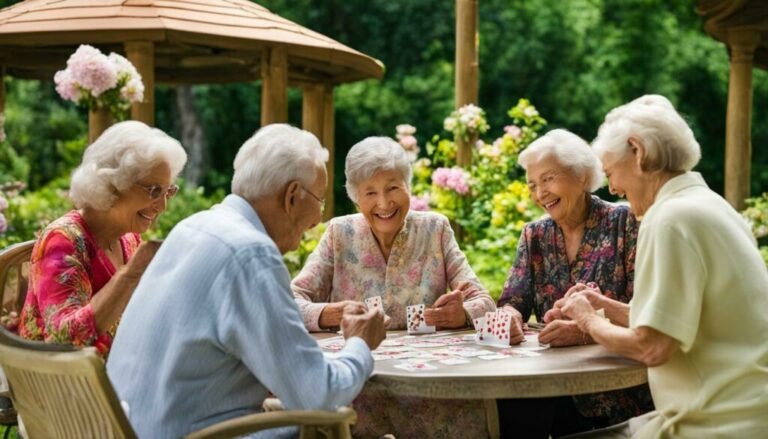
Reading, puzzles, word games, board games, learning new skills, and discussing current events are useful ways to keep older adults mentally engaged. These activities offer chances to think, remember, solve problems, and explore interests. They can be done alone, with family, or in a group.
A suitable mental activity should offer interest without creating unnecessary frustration. Someone who enjoys a challenge may like a complex crossword, while another person may prefer a large-print word search or a simple matching game. Difficulty can be adjusted to match vision, dexterity, attention, and familiarity.
Mental activities are not a guaranteed way to prevent dementia or reverse cognitive decline. They can, however, provide enjoyment and meaningful engagement. When a person has new or worsening memory problems, confusion, or difficulty with everyday tasks, a health professional can help assess the cause.
Source: vitalitycaresupportservices.co.uk
Jigsaw puzzles
Choose a puzzle with an appropriate number of pieces, clear images, and a size that suits the person’s vision and hand control.
Word and number games
Crosswords, word searches, number puzzles, and simple logic games can offer a flexible challenge at home or in a group.
Board and card games
Checkers, dominoes, matching games, and familiar card games combine mental activity with social interaction when played with others.
Reading
Books, newspapers, magazines, audiobooks, and large-print editions make reading more accessible for different preferences and abilities.
Learning something new
A short class in history, photography, language, or basic technology can support curiosity and give the learner a new goal.
Conversation and storytelling
Talking about family traditions, favorite places, or past work can encourage connection without requiring a formal game or lesson.
How Can You Adapt Activities for Memory Loss?
For an older adult with memory loss, use familiar activities with clear steps and a calm setting. Sorting buttons by color, folding towels, looking through family photographs, or matching picture cards may be more enjoyable than a complex game with many rules.
Offer one instruction at a time and demonstrate when helpful. Avoid correcting every mistake or treating the activity like a test. If the person becomes upset or tired, take a break or switch to something more familiar.
A person living with dementia may still enjoy music, simple crafts, gardening, and social contact. Adapt the task to current abilities and preserve as much choice and independence as possible.
Use familiar materials
Choose objects, songs, pictures, or games that connect with the person’s interests and past experiences.
Reduce distractions
Turn off unnecessary background noise and arrange materials so the activity is easy to understand.
Focus on enjoyment
Praise participation, allow extra time, and avoid pressuring the person to remember facts or complete every step.
What Social Activities Are Good for Elderly People?
Social activities are suitable for older adults who want to spend time with family, friends, neighbors, or people who share their interests. Options include group meals, senior center programs, hobby clubs, faith or community gatherings, volunteer projects, and telephone or video calls.
Regular contact can offer companionship and a sense of belonging. It may also help older adults maintain connections after retirement, relocation, the loss of a loved one, or changes in mobility. However, socializing should be a choice rather than an obligation, since some people prefer quiet settings or small groups.
In the United States, local aging services, libraries, parks departments, and community centers may list social programs for older residents. Availability, fees, transport, and eligibility vary by area, so check directly with the provider before making plans.
Source: moveability.org.uk
Senior center activities
Look for group lunches, exercise classes, crafts, card games, talks, and social events offered by local centers.
Family game nights
Choose games that children, adults, and older relatives can enjoy together, adjusting rules and duration as needed.
Community meals
Shared meals can provide conversation and routine. Ask local aging services about congregate meal programs and any registration requirements.
Hobby clubs
Book clubs, walking groups, gardening clubs, and music groups help people connect through shared interests.
Volunteering
Suitable roles may include mentoring, welcoming visitors, helping at a library, supporting a food pantry, or sharing professional skills.
Remote connection
Phone calls, video chats, online groups, and virtual classes can help people stay connected when travel is difficult.
How Can Families Make Social Activities More Comfortable?
Ask the older adult what kind of gathering feels enjoyable before arranging an event. A quiet coffee with one friend may suit someone who finds large groups tiring. Another person may prefer a lively dance, community lunch, or group outing.
Plan around transport, hearing, vision, energy, and meal needs. Choose an accessible venue, arrange a ride if needed, and allow enough time for arrival and rest. If the person is hesitant, offer a short visit with a clear end time rather than a full day of activities.
Respect a decision to decline. Persistent withdrawal, sadness, or loss of interest that affects daily life may deserve a conversation with a health professional, especially when these changes are new.
Invite rather than pressure
Offer a few clear choices and let the person decide whether to attend.
Make conversation accessible
Reduce background noise, face the person when speaking, and allow time for responses.
Build a regular habit
A weekly call, shared lunch, or familiar group can make connection easier to maintain.
What Creative Activities Can Elderly Adults Enjoy?
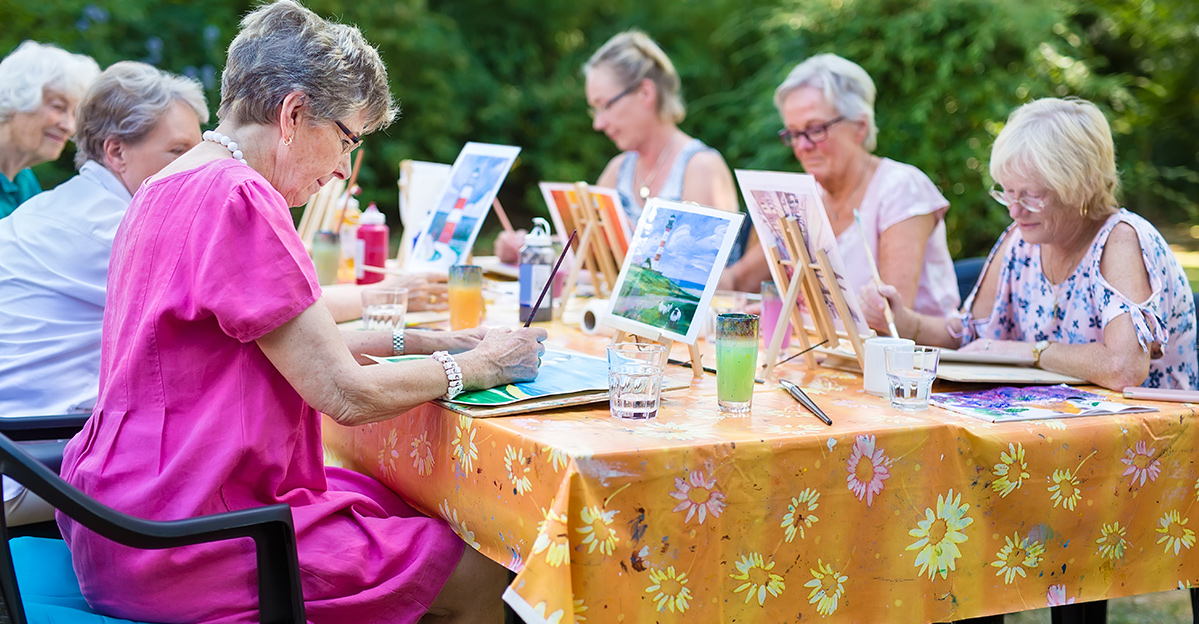
Creative activities include painting, drawing, knitting, sewing, crafts, photography, writing, music, and simple home projects. They allow older adults to express ideas, use familiar skills, and explore new interests. Many can be adapted for people with limited strength, dexterity, or mobility.
Creative work does not need to produce a finished object. The value may come from choosing colors, touching materials, listening to music, or spending time with another person. A low-pressure approach can make the activity more enjoyable for beginners and people who tire easily.
Choose supplies based on the person’s abilities and preferences. Large-handled tools, easy-grip brushes, lightweight materials, and pre-cut craft pieces can reduce strain. Use suitable ventilation with paints, adhesives, or other products, and follow the product label.
Source: oakleafmanorsouth.com
Painting and drawing
Try watercolor painting, simple sketches, coloring books, or painting flowerpots with easy-to-hold brushes.
Knitting and sewing
Choose a familiar project, larger needles, thicker yarn, or simple stitching if fine hand movements have become difficult.
Music
Listening to favorite songs, singing along, playing a simple instrument, or joining a choir can offer enjoyment and shared experiences.
Photography
Take pictures of flowers, family events, pets, or local scenery using a phone or camera with accessible controls.
Writing and scrapbooking
Create a family album, write short poems, record recipes, or dictate memories to a family member.
Seasonal crafts
Make greeting cards, simple decorations, or handmade gifts using safe materials and manageable steps.
Are Gardening and Outdoor Activities Suitable for Seniors?
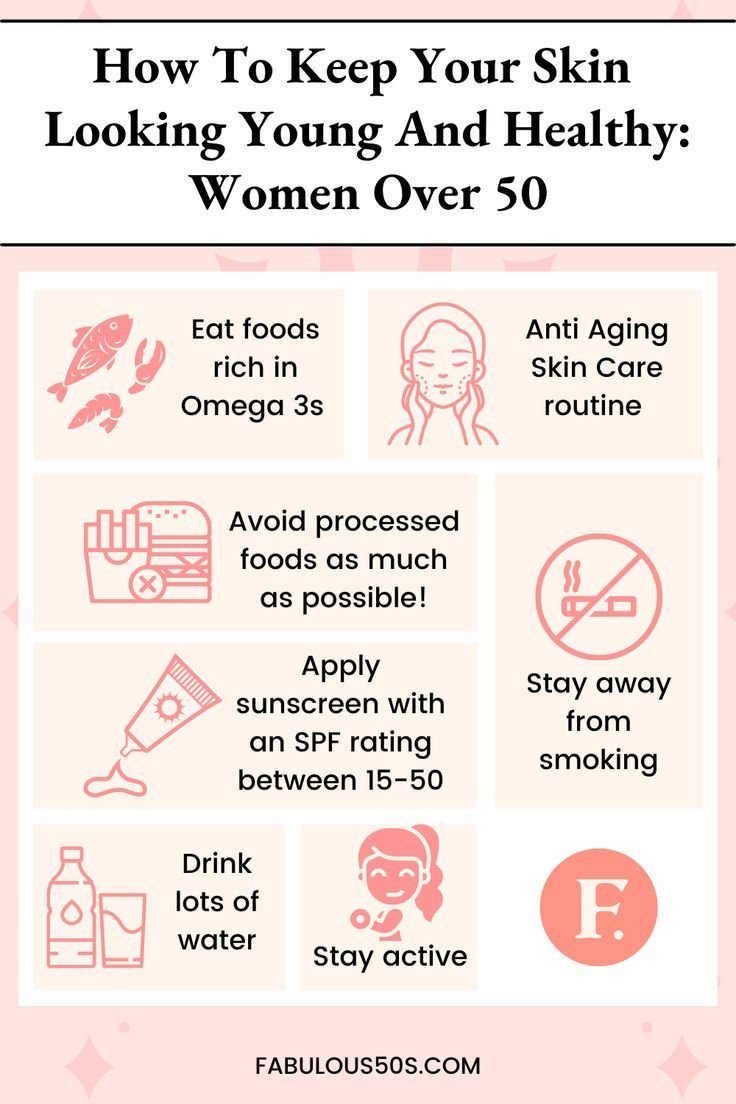
Gardening, birdwatching, nature walks, outdoor painting, picnics, and visits to public gardens can be suitable activities for older adults. Outdoor time may provide fresh air, a change of scenery, and opportunities for movement or social contact. The activity should match the person’s stamina, balance, weather tolerance, and access needs.
Gardening can be adapted with raised beds, containers, lightweight tools, and seated work areas. A person who cannot safely kneel or bend may still water plants, remove leaves from a table-height planter, or help select seeds. Birdwatching from a window or covered porch can offer a nature-based option without a long walk.
Outdoor activities require attention to heat, cold, sun exposure, insects, uneven ground, and hydration. In hot US summers, plan for cooler hours and use shade, light clothing, and sun protection. People who are sensitive to heat, have limited temperature awareness, or take medicines that affect fluid balance should follow individualized advice from their health professional.
Source: i.pinimg.com
Container gardening
Grow herbs, flowers, or small vegetables in pots placed at a comfortable height. Secure containers so they cannot tip easily.
Birdwatching
Use a window feeder, a garden bench, or binoculars with easy-to-use controls to observe birds without strenuous walking.
Accessible nature walks
Choose level, well-maintained paths with benches, accessible restrooms, and nearby parking when available.
Picnics and outdoor meals
Pick a shaded location with stable seating, safe food storage, and a simple route to restrooms.
Scenic outings
Consider botanical gardens, local parks, accessible waterfronts, or short drives to familiar places.
How Can You Reduce Risks During Outdoor Activities?
Check the forecast before leaving and change plans when heat, icy paths, storms, or poor air quality make an outing unsuitable. Bring necessary medicines, a charged phone, drinking water when appropriate, and any mobility aids the person uses. Tell someone about the plan if the older adult may need help during the outing.
Use sturdy shoes with good traction and avoid paths with obstacles that exceed the person’s mobility. Gardening tools should be easy to grip, and heavy pots or bags should not be lifted without suitable help. If bending or kneeling causes discomfort, move the task to a raised surface or choose another activity.
If an outdoor activity causes unusual breathlessness, dizziness, weakness, or signs of overheating, stop and move to a safe, cooler place. Seek medical help for severe symptoms or when the person’s condition does not improve promptly.
Plan for rest
Use short routes, frequent breaks, and nearby seating rather than setting a distance target that may be too demanding.
Check accessibility
Confirm path surfaces, entrance access, restroom availability, and transport options before visiting an unfamiliar location.
Adapt the task
Use seated gardening, small containers, lightweight tools, or indoor nature activities when outdoor movement is difficult.
What Indoor Activities Are Best for Elderly Adults?
Indoor activities are useful when the weather is poor, travel is difficult, or an older adult prefers a familiar setting. Reading, music, puzzles, cooking, crafts, light exercise, houseplants, and family calls can fit into a daily routine. Many require little space and can be done at home or in a residential care setting.
The best indoor activity is one that feels rewarding and is practical to continue. Someone who tires quickly may prefer several short sessions. A person with limited vision might enjoy audiobooks, music, or tactile crafts, while someone who wants movement could try a suitable chair exercise class.
Indoor settings still need basic safety checks. Keep walkways clear, secure loose rugs, provide enough light, and place frequently used supplies within easy reach. Avoid activities that involve open flames, sharp tools, hot liquids, or strong chemicals unless the person can use them safely with appropriate assistance.
Source: vitalitycaresupportservices.co.uk
Cooking and baking
Prepare simple recipes, wash vegetables, mix ingredients, decorate cookies, or organize family recipes. Choose tasks that match the person’s dexterity and ability to manage heat and food safety.
Houseplants
Water indoor plants, wipe leaves, or arrange small pots on a stable table. Choose lightweight containers and avoid plants known to be toxic to household pets or people who may handle them.
Movies and documentaries
Watch a favorite film, nature program, or documentary, then discuss it with a friend or family member.
Home music sessions
Play familiar songs, sing, listen to an audiobook, or use a simple music player with accessible controls.
Indoor movement
Try gentle stretching, seated dancing, or a suitable guided exercise video when the person can follow it safely.
Digital activities
Use a tablet or computer for video calls, online library services, virtual museum visits, or classes with clear instructions and accessible settings.
How Can You Make Indoor Activities Affordable?
Start with supplies already available at home. Playing cards, paper, pencils, family photographs, household objects for sorting, and library books can support many activities without a special purchase. Reuse safe materials when they are clean and suitable for the task.
Public libraries across the United States may offer free books, audiobooks, digital resources, clubs, and educational programs. Local parks departments and senior centers may provide low-cost classes or social events, although schedules and fees vary. Ask about accessible transport, reduced fees, and loan programs before paying for equipment.
A simple activity does not need to be dull. A family recipe session, a music hour, or a short walk through a familiar garden can become a regular event. Consistency and personal meaning often matter more than the cost of supplies.
Use library resources
Ask about large-print books, audiobooks, book clubs, digital lending, and older-adult programs.
Reuse suitable materials
Use clean paper, safe containers, fabric scraps, and existing games when they meet the person’s needs.
Check community programs
Contact local senior centers, recreation departments, and aging services to ask about fees, transport, and accessibility.
How Do You Choose Activities for Different Ability Levels?
Choose activities by considering what the person can do comfortably today, what they enjoy, and what support they need. Two people of the same age may have very different strength, balance, hearing, vision, and thinking skills. A useful activity respects those differences instead of assuming that every older adult needs the same program.
Ask the person about past hobbies, current interests, and activities they would like to try. Consider practical barriers such as transport, cost, fatigue, access to a restroom, and the availability of help. If an activity is appealing but too demanding in its usual form, look for a simpler or seated version.
Review the choice after each session. Signs that an activity is a good fit include visible enjoyment, comfortable participation, and a willingness to try it again. Repeated distress, pain, unsafe movements, or persistent fatigue suggest that the activity or its difficulty needs to change.
Source: housecallshc.org
For active older adults
Consider walking groups, swimming, dancing, volunteering, gardening, travel outings, or community classes, with suitable planning and safety precautions.
For adults with limited mobility
Try chair exercises, seated crafts, tabletop games, accessible museums, music, container gardening, or adapted social activities.
For people with low vision
Consider audiobooks, music, tactile crafts, large-print materials, high-contrast game pieces, and accessible digital features.
For people with hearing loss
Choose quiet settings, visual demonstrations, written instructions, captioned videos, and group activities where people face one another.
For people with memory loss
Use familiar songs, simple sorting tasks, photographs, short walks with suitable support, and crafts with clear, repeatable steps.
For people who tire easily
Plan short sessions with breaks and choose activities that can be paused without losing progress.
When Should You Ask a Professional for Advice?
A health professional can help when a new activity may interact with a medical condition, recent surgery, chronic pain, balance problems, or a high risk of falling. A physical or occupational therapist can suggest ways to adapt movement, daily tasks, equipment, and the home environment.
Ask for guidance when an older adult has frequent falls, new confusion, unexplained weakness, marked fatigue, or a sudden decline in function. These changes should not simply be attributed to aging. Sudden symptoms may require urgent assessment.
Caregivers should also consider their own capacity to provide help. If an activity needs more supervision than one person can safely offer, choose a simpler option or seek assistance from a qualified service.
Physical therapist
Can assess mobility, balance, strength, and suitable exercise adaptations.
Occupational therapist
Can suggest ways to adapt hobbies, daily tasks, tools, and home spaces to support safe participation.
Health care professional
Can review symptoms, medical restrictions, and concerns that affect whether an activity is appropriate.
How Can You Build a Balanced Weekly Activity Routine?
A balanced routine combines movement, mental engagement, social contact, creative interests, and time for rest. It does not require a packed calendar or a new activity every day. Repeating favorite activities can create comfort and make participation easier to maintain.
Begin with two or three activities the older adult already enjoys. Add variety only when the schedule feels manageable. Keep plans flexible because sleep, pain, appointments, weather, and energy can change from day to day.
The following sample schedule is a starting point, not a medical prescription. Adjust the length, type, and level of activity to the person’s preferences and abilities. Some people may benefit from shorter sessions, while others may comfortably take part in longer outings.
Source: moveability.org.uk
Monday
Try a short walk or suitable chair exercises, followed by reading or listening to music.
Tuesday
Spend time on a puzzle, craft, houseplant care, or another quiet hobby.
Wednesday
Arrange a phone call, family visit, community meal, or senior center activity.
Thursday
Choose a suitable strength or balance activity, or a therapist-approved movement session.
Friday
Enjoy a creative project, a favorite film, or a simple cooking task.
Saturday
Consider an accessible park visit, a garden session, a picnic, or a shared family game.
Sunday
Allow time for rest, a favorite book, music, personal reflection, or a relaxed conversation.
How Can You Tell Whether the Routine Is Working?
A useful routine is one the older adult wants to continue and can manage without excessive strain. Look for enjoyment, comfortable participation, and a reasonable balance between activity and rest. A calendar or simple notebook can help track which activities the person likes and when they tend to feel most energetic.
If the person regularly cancels activities because they are too tiring, reduce their length or move them to a better time of day. If a task causes frustration, simplify the steps or offer a different option. If there is a new or persistent change in health or function, discuss it with a health professional rather than repeatedly adjusting the schedule without guidance.
Keep a simple record
Note the activity, approximate duration, comfort level, and whether the person would like to repeat it.
Adjust gradually
Change one factor at a time, such as session length, setting, assistance, or difficulty.
Protect choice
Keep the schedule flexible and allow the older adult to decline or replace an activity.
Where Can Seniors Find Activities in the United States?
Older adults in the United States can find activities through local government programs, public libraries, parks and recreation departments, senior centers, nonprofit organizations, and community groups. These sources can help people locate exercise classes, educational programs, arts events, volunteer roles, and social gatherings. Specific offerings depend on the community and available funding.
The Eldercare Locator, a public service supported by the US Administration for Community Living, can help people connect with local aging services. Area Agencies on Aging may provide information about community programs, transportation, meals, caregiver support, and other services. Contact details and eligibility rules vary by location.
Before signing up, ask about fees, registration, accessibility, transport, restroom access, supervision, and any equipment that participants must bring. For online activities, check whether a class requires a paid account, a particular device, or a reliable internet connection. A brief call can prevent wasted travel and help the older adult choose a suitable program.
Source: storypoint.com
Public libraries
Ask about reading groups, lectures, digital resources, craft sessions, and technology support.
Senior centers
Check for games, exercise, group meals, arts programs, and local outings.
Parks and recreation departments
Look for accessible walking programs, gardening events, aquatic classes, and community recreation.
Area Agencies on Aging
Ask about local aging services, community participation, transportation, and programs for older residents.
Volunteer organizations
Find roles that fit the person’s skills, preferred schedule, mobility, and energy level.
Community and faith groups
Explore social events, shared meals, discussion groups, music, and other gatherings that match personal interests.
Frequently Asked Questions
Q
What Are the Best Activities for Elderly Adults at Home?
Reading, music, puzzles, card games, painting, knitting, cooking, houseplant care, family calls, and suitable chair exercises are practical home activities. Choose options that match the person’s interests, mobility, vision, hearing, and energy level. Keep supplies within reach and provide assistance when a task involves heat, sharp tools, or other hazards.
Q
What Activities Are Suitable for Elderly People With Limited Mobility?
Seated crafts, music, audiobooks, tabletop games, accessible online classes, container gardening, and adapted chair exercises can work well for people with limited mobility. A wheelchair user may also enjoy accessible parks, museums, group meals, and community events. Check the person’s comfort and consult a qualified professional when an activity involves new movement or balance challenges.
Q
How Can I Keep an Elderly Parent Busy Without Making Them Feel Pressured?
Offer a small number of choices based on the person’s interests rather than filling the day with tasks. Try a shared meal, a favorite hobby, a short walk, or a regular phone call, and let the person decide whether to take part. If an activity is unwanted or tiring, change the plan and respect the person’s need for rest.
Q
What Are Some Free Activities for Seniors?
Free options may include library visits, reading, walking on accessible public paths, home crafts using existing supplies, family game nights, music, birdwatching, and volunteering. Some US senior centers and community organizations offer free or low-cost programs, although availability varies. Check transport costs, registration requirements, and other possible fees before attending.
Q
How Much Physical Activity Should Adults Over 65 Get?
The CDC generally recommends at least 150 minutes of moderate-intensity aerobic activity per week for adults age 65 and older, plus muscle-strengthening activity on at least two days and balance activities. People can build toward these goals gradually and use shorter sessions when helpful. Those with health conditions or functional limitations should follow advice suited to their abilities and medical needs.
Q
Which Activities Are Suitable for Elderly People With Dementia?
Familiar music, simple crafts, sorting objects, looking at family photographs, folding towels, and gentle supervised movement may be suitable for people living with dementia. Use clear steps, reduce distractions, and avoid turning activities into tests of memory. Adapt the task to the person’s current abilities and stop or change it if they become distressed or tired.
Q
How Many Activities Should an Older Adult Do Each Day?
There is no single ideal number of activities for every older adult. One person may enjoy several short activities, while another may prefer one main activity and plenty of rest. Start with a manageable routine that includes meaningful movement, mental engagement, or social contact as appropriate, then adjust based on comfort and preference.
✦ Wrapping Up
Conclusion
Suitable activities for elderly adults range from walking and gentle exercise to reading, games, gardening, music, crafts, and social gatherings. The most useful choices reflect the person’s interests and current abilities while allowing enough time for rest. A balanced routine can support movement, mental engagement, social connection, and a sense of purpose without making every day feel crowded.
Families and caregivers can begin by asking which activities the older adult enjoys, identifying any practical or health-related limits, and choosing one or two manageable options. Public libraries, senior centers, parks departments, and local aging services can help people in the United States find affordable programs and accessible community opportunities. Review the routine as needs change, and seek professional advice when symptoms, mobility limitations, or safety concerns affect participation.
💡 Key Takeaway
Ask the older adult to choose one enjoyable activity for this week. Prepare a safe and comfortable setting, begin at a manageable pace, and ask afterward whether they would like to do it again or try something different.